His recurring economic worldview is strongly skeptical of official data, central-bank policy, and government finance.
📈 See how Travis Spencer's thesis changed over time →Preview how this speaker shows up across market transcripts. Unlock the full archive, AI chat, and the version personalized to your watchlist, followed channels, and favorite speakers.
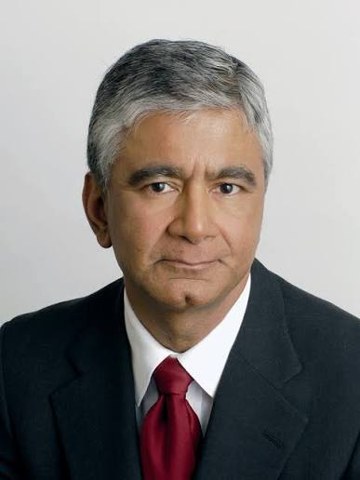
Travis Spencer appears to be a Texas-based real-estate and housing-market commentator associated with Real Estate Mindset. Across the provided transcripts he presents as an advocate-driven, data-heavy, anti-establishment voice focused on housing, local markets, taxes, and municipal finance. He frequently frames issues in terms of homeowners versus institutions, and he regularly references his own lived experience as a homeowner/investor (including losing a house during the mortgage-securities era).
His recurring economic worldview is strongly skeptical of official data, central-bank policy, and government finance. He tends to argue that housing and labor markets are being misrepresented by headlines, that inflation and affordability problems are driven by policy distortion and fraud, and that consumers should rely on raw, local, or alternative data instead of national narratives. He favors lower housing costs through market correction in some contexts, but also consistently argues for homeowner protection, elimination of property taxes, and deep distrust of property-tax systems, municipal debt, and government overassessment. He also shows interest in gold, de-dollarization themes, and the idea that central banks and large institutions are reshaping markets for their own advantage. Overall, he frames economic life as a struggle against manipulation by government, media, and finance rather than a neutral market process.
Every analyzed appearance we have for this speaker, newest first. Open any transcript preview to read the underlying transcript.
Preview:A Real Estate Mindset host and recurring guest "Mitch" examine the accelerating collapse of American family farms. Through embedded farmer testimony and data from the host's Substack article "The Last Harvest," they argue that farm bankruptcies are surging (up 46% YoY), net farm income excluding government payments is below $50B, and property tax increases are consuming what little margin remains. The discussion is split: one farmer-voice supports tariffs to protect market share from imports; the host and Mitch argue tariffs are a secondary issue — the real killers are fraudulent property tax overvaluation, just-in-time supply-chain fragility, corporate pricing power crushing crop prices, and synthetic fertilizer dependence. The USDA's reorganization and recent citrus rule are dismissed as perception management and cost-cutting that does nothing for struggling farmers.
Preview:Two speakers (Travis and Mitch) present a bearish case on US housing, arguing foreclosure data is far worse than headline numbers suggest when accounting for loan modification "cure rates." They cite 2.2M households behind on mortgages, collapsing cure rates, falling prices in major markets, and deteriorating consumer health (47% of BNPL users delinquent, student loan defaults at 20%). Mitch reads a letter to President Trump requesting Solicitor General review of his constitutional challenge to property tax appraisal practices. The presentation mixes legitimate foreclosure data with fraud/conspiracy rhetoric about property taxes and appraisal districts.
Preview:A polemical deep-dive arguing that recent US bank deregulation (the gutting of Basel III endgame, 401(k) rule changes, and the Wells Fargo asset-cap removal) amounts to a stealth bailout that transfers risk from banks to retail depositors and retirees. The host and his co-commentator claim the FDIC is an illusion, that the system is sustained by fraud, and that citizens should deleverage personally while supporting legal challenges against appraisal districts. The video blends macro-regulatory criticism with updates on the host's home purchase and his ongoing property-tax litigation.
Preview:A fiery two-host monologue arguing that official job-market data (BLS, ADP) are systematically deceptive, that Main Street reality contradicts rosy headlines, and that citizens must audit institutions and build side income to survive what they frame as an era of permanent layoffs and government fraud.
Preview:Travis (Real Estate Mindset) argues the housing market is a "dumpster fire" — mortgage rates have skyrocketed ~65 bps since February, demand remains at historic lows, and Zillow's latest report is loaded with narrative-spinning inconsistencies. He reveals he just had an offer accepted on a ~$190K house that cuts his monthly shelter cost by $1,000 through forced downsizing. Co-host Mitch Vexler explains the "hidden mortgage" of school district bond debt and updates viewers on ongoing legal advocacy against property tax systems, including imminent federal filings and Washington meetings.
Preview:Two anti-property-tax activists — host "Travis" (Real Estate Mindset) and recurring guest "Mitch" — argue that US government fraud (~$2.28T annually by their tally) exceeds all property-tax collections (~$827B) and that eliminating fraud would make property taxes unnecessary. They walk through state-level reform efforts (Florida, Texas, Wyoming, Ohio, Indiana, Georgia, North Dakota, and others), express deep disappointment that most legislatures have gutted repeal bills into mere homestead exemptions, and call on Florida Governor Ron DeSantis not to abandon the fight. Mitch claims he will soon file a federal lawsuit under 42 USC §§1983–1986 against Texas officials for constitutional violations and fraud.
Preview:The video compares Texas and Ohio housing markets to argue that housing conditions are highly local, not one national story. Travis says Texas has a clear supply surge and falling prices in many metros, while Jason argues Ohio still has a structural shortage despite some inventory growth, with property taxes and old housing stock becoming bigger risks than outright demand collapse.
Preview:Central banks bought gold in historic amounts during the May 2026 price crash — 41 tons, the most since November 2025. The speaker argues the paper futures market (margin hikes, ETF flows, CTAs, OTC repricing) is the real price-setter, not physical supply/demand, and that China, India, Poland, and mom-and-pop are accumulating physical at record rates while prices fall. The co-host ties this to a broader thesis of systemic bond-market fragility and third-party counterparty risk, arguing precious metals are the only hedge. The video pivots heavily into the hosts' personal advocacy work around Texas school-district bond fraud and planned Supreme Court filings.
Preview:Two speakers argue the 21st Century ROAD to Housing Act is a scam that fails to address real housing unaffordability. Travis (host) cites terrible builder quality ratings, 10+ months of housing supply, and record-high price-to-income ratios. Mitch (guest) argues property taxes themselves are unconstitutional fraud and the only fix is repealing them in favor of a uniform state sales tax. The bill passed Congress with overwhelming bipartisan margins; Trump called it a "yawn" and canceled the signing ceremony, with the constitutional clock set to expire within ~48 hours of the video.
Preview:A discussion of the Supreme Court's June 23, 2026 ruling in the Pung v. Isabella County case, where a unanimous Court held that homeowners whose properties are seized and auctioned for unpaid property taxes are entitled only to the auction surplus — not fair market value compensation. The hosts argue this ruling enables systematic equity stripping, particularly affecting free-and-clear homeowners, and connect it to broader claims of property tax fraud, school district bond fraud, and judicial complicity in Texas. Data from San Antonio shows a 15% residential property tax delinquency rate, rising to 23% for mortgage-free homes.
Preview:A wide-ranging discussion covering Trump's crypto earnings disclosure (~$1B from memecoin royalties, WLFI tokens, stablecoin ventures), his stock portfolio, political trading ethics, a rumor about 50-year gold-backed Treasuries launching July 4th, Kevin Warsh's comments on inflation, and an extended advocacy segment about fighting school district bond fraud in Texas using AI tools. The two hosts blend market commentary with personal litigation strategies and calls for fraud accountability.
Preview:This video argues the U.S. is in the early stages of a historic debt/bubble unwind, with immediate focus on bearish positioning in stocks, yen weakness, AI-related credit growth, gold volatility, and a coming legal/political fight over property tax and adjudication rights. The speakers frame the setup as both a market crisis and a constitutional crisis, while also using the video to promote their advocacy work and websites.
Preview:A real estate-focused channel discusses record Dow highs above 52,000 alongside billionaire warnings of a potential 70% market decline. Hedge funds are dumping tech at record pace, leverage costs are surging, and the US must refinance $8T in debt. Housing data shows new home supply at 10.3 months (highest since Feb 2009) and sellers outnumbering buyers by 630K. Consumer credit hits $5.14T with 13.1% credit card delinquency. Mitch, the co-host, argues the housing market is disintegrating due to property tax fraud and $5.1T in fraudulent school district bonds, and he is pursuing a lawsuit/emergency writ to the Supreme Court seeking to eliminate property taxes and wipe the bond debt.
Preview:A long, emotionally charged monologue from Travis of Real Estate Mindset blending housing market analysis, mortgage mechanics, a dark conspiracy theory about AI data centers and federal land grabs, and personal advocacy updates. He argues the economy is "a scam" propped up by Treasury leverage, warns rates will rise further, walks through mortgage pricing and amortization, and demonstrates how to use price-per-square-foot filtering on MLS data. The transcript oscillates between market commentary, motivational appeals, and detailed accounts of his open-records legal battles against Texas municipalities.
Preview:A housing-market cautionary video hosted by the Real Estate Mindset channel featuring Mitch Vexler. The host curates viral TikTok clips of young homeowners drowning in maintenance costs and payment shock, then pivots to macro data showing it's now far cheaper to rent than own. Mitch Vexler delivers a legal-conspiratorial argument that property taxes are fraudulent, that Texas courts are corrupt, and that the binary choice facing Americans is repeal of property taxes or "lawlessness." The video doubles as a funnel for the channel's Substack and free home-buying class, with a teaser about an upcoming Supreme Court filing.
Preview:Travis (Real Estate Mindset) delivers a fiery, broad-market rant arguing we are in an "everything bubble" — stocks, housing, debt, and inflation all at dangerous extremes. He reviews the day's market action (Dow up, NASDAQ/S&P down, gold and silver crushed, Bitcoin near $59k), runs mortgage amortization math live with viewers, critiques Trump's refusal to sign a housing bill, and makes the case that only a housing crash can restore affordability. Heavy emphasis on local advocacy against property tax appraisal fraud, with personal anecdotes about his legal battles. The core thesis: systemic fraud and inflation have destroyed the American household, and no policy fix short of a market crash will correct it.
Preview:The speaker argues that $1.3 trillion in US debt is already delinquent — more than double the pre-2008 peak — yet the Fed's stress test only models ~$708 billion in losses. He walks through delinquency rates across mortgages ($435B), student loans ($215B), auto loans ($118B), credit cards ($100B), corporate debt ($235B), and commercial real estate ($115B). His core thesis is that the financial system has become a "daisy chain" where securitized, re-leveraged debt connects a financed candy bar to Treasury markets, and that this setup is worse than 1929, 2000, or 2008 because the interconnection spans all asset classes simultaneously. The report is offered free on his Substack.
Preview:The video argues that the selloff in gold and silver is a temporary, narrative-driven crash rather than a thesis break. The speaker and Mitch frame the plunge as a buying opportunity, blame dollar strength and policy expectations, and lean hard on physical-market arguments like Shanghai premiums, supply scarcity, and “paper manipulation.”
Preview:The speaker argues that a broad market selloff, a bank-run dynamic in private credit, and collapsing confidence in risk assets signal a deeper economic breakdown. He frames the move as being driven by AI/semiconductor profit-taking, tighter Bank of Japan liquidity, strong U.S. jobs data, and a hawkish Fed, while insisting the real backdrop is recession, debasement, and leverage unwinding.
Preview:The speaker argues that American public schools are heading toward a systemic collapse driven by falling enrollment, rising debt, and mass layoffs. He uses Cleveland, Miami/Broward, Austin, Conroe, Los Angeles, Chicago, Philadelphia, and Texas recapture as examples, then pivots to promoting his Substack and advocacy playbooks as the solution.
Preview:The speaker argues that mortgage rates, property taxes, and insurance make many housing purchases unattractive right now, even though some local submarkets still show wedge and potential equity. He uses a live housing example to show how a smaller, cheaper home plus extra principal payments could beat renting, but only if the total monthly payment and local taxes work.
Preview:The video is a Friday morning live stream that mixes market commentary, mortgage education, housing-bearish advocacy, and channel promotion. The speaker argues that housing affordability is deteriorating, mortgage payments are at record highs for the season, and many borrowers underestimate the true cost of interest, refinancing, and amortization.
Preview:The speaker argues that the Fed is pivoting away from market support, which they interpret as a bearish sign for the economy and a risk for homeowners and borrowers. They connect lower mortgage rates, a potential rate-hike path, and heavy refinancing behavior to a broader claim that QE and inflation have been masking a depression-like economy.
Preview:The video argues that new-home buyers are being trapped by poor construction quality and falling values, with the speaker claiming today’s housing stress is already worse than 2007 on several metrics. He uses inspection clips, builder-review screenshots, and a self-made report to argue that buyers face equity losses, hidden defects, and limited legal recourse.
Preview:A Real Estate Mindset interview argues that the U.S. housing market is in a broad melt-down, led by Texas and Florida, driven mainly by excess inventory, affordability collapse, and new-home overbuilding. The speaker also claims commonly cited housing data is unreliable or manipulated, and says foreclosure stress is rising once loan modifications and cures are counted.
Preview:The speaker argues that the U.S. economy is producing a broad “everyone is broke” moment: consumers are using debt and retirement accounts to stay afloat, younger workers are struggling to find jobs, and even employed people are forced into side hustles. He frames the answer as defensive personal finance—cut spending, preserve credit, build assets, and survive the collapse rather than chase lifestyle inflation.
Preview:The speaker argues that the latest Iran ceasefire/deal, falling oil, and lower mortgage rates are turning points for housing and markets, while also warning that inflation, debt spending, and property-tax/fraud issues keep the backdrop ugly. He spends much of the video teaching mortgage pricing, amortization, and hyper-local real estate analysis, then pivots to an advocacy segment about public-records requests and alleged appraisal-district fraud.
Preview:The video argues that Anthropic’s newest AI models were effectively shut down by a government export-control order after concerns surfaced about jailbreaks and foreign access, with Amazon portrayed as helping trigger the intervention. The speaker treats this as evidence that AI is becoming too powerful, too opaque, and too socially dangerous to leave unregulated, while also warning that AI is already fueling inflation, data-center debt, and future job losses. A second major thread compares this AI panic to the celebration around SpaceX’s 2.3 trillion valuation and Elon Musk’s role in the next tech wave.
Preview:The video argues that America is in an auto-loan and repossession crisis, driven by oversized car payments, long loan terms, and negative equity. The speaker frames car buying as a status trap that destroys purchasing power and says the resulting repossessions, delinquencies, and even confrontations with tow operators show a broader economic breakdown.
Preview:The video argues that gold and silver’s sharp selloff is a tactical panic inside a still-intact long-term bull case. The host and guest tie the move to inflation, debt, central-bank policy, and recurring historical patterns in metals, while also using the episode to promote a separate legal/political presentation and related Substack/site links.
Preview:The speaker argues that the housing market is already in a major downturn, especially in condos and select single-family markets, and says Grant Cardone is misleading viewers by focusing on low mortgage rates while ignoring taxes, debt, and affordability. The video repeatedly frames current housing as financially unsustainable and urges caution, margin of safety, and self-education before buying.
Preview:The video argues that silver’s sharp intraday selloff is a buying opportunity for physical holders, even if futures traders can still press the downside in the near term. The speaker pairs that view with a broader recession/market-crash narrative, warning that a bifurcated economy, rising rates/geopolitical stress, and a wave of giant AI/space IPOs could intensify instability and eventually invite more money printing.
Preview:The video argues that the labor market and cost-of-living crisis are making people cling to bad jobs, while urging viewers not to quit without a plan. The speaker uses street-style testimonial clips to claim inflation, debt, and weak education—not lack of capitalism—are the real causes of financial stress, then frames the solution as budgeting, getting proactive, and rejecting dependence on government or debt.
Preview:The video argues that mortgage rates and debt costs are still structurally high, housing remains a trap for overleveraged buyers, and near-term market moves are being driven by geopolitical headlines and rate expectations. The speaker mixes macro commentary, mortgage education, and advocacy promotion, with the strongest useful content coming from the mortgage-pricing walkthrough and the claim that housing is highly bifurcated by local market.
Preview:The speaker argues the U.S. labor market is deteriorating rapidly, with AI-driven layoffs, weak hiring, and widespread job-search frustration signaling a much worse underlying economy than official data suggests. The video mixes Challenger layoff data, anecdotal worker interviews, and a strong anti-mainstream-media narrative to claim that employment conditions are already in recession-like territory.
Preview:The video argues that the market’s sharp selloff after the May jobs report is a volatility event, not a reason to panic. The hosts say gold, silver, and bitcoin were hit hard, but frame the metals drop as a technical pullback and a potential scaling-in opportunity, while criticizing the BLS labor data as unreliable and pointing to inflation, deficits, and future rate-hike risk.
Preview:A host on Real Estate Mindset argues that higher oil, a hotter jobs print, and rising Treasury yields are pressuring mortgage rates and weakening housing demand. He uses market dashboards, Redfin delisting data, and an MLS example to argue sellers are losing leverage, buyers are stretched, and the tax burden makes ownership expensive. The video mixes market commentary with a long advocacy pitch and personal promotion of his Substack and website.
Preview:This video argues that private credit redemptions, Bitcoin’s drawdown, and broader financial instability are all signs of a bubble-prone system built on excess leverage and inflated asset values. It pivots to gold as the favored “hard” asset, citing World Gold Council data showing central bank buying picking back up, especially from Poland and China.
Preview:The speaker argues that Airbnb hosting has become uneconomic and politically fragile. They frame the sector as having moved from a high-margin side hustle to a business crushed by higher rates, insurance, taxes, platform fees, competition, and local regulation, with the implication that the supply of short-term rentals could eventually pressure housing if owners exit.
Preview:The video argues that recent labor-market data is deeply unreliable, that the huge JOLTS beat and the ADP report are inconsistent, and that the market is reacting to bad or manipulated data rather than fundamentals. The speaker links that skepticism to Bitcoin’s sharp drop, the S&P 500’s record highs, and a broader thesis that AI is being overstated as the cause of recession risks while the real problem is fraud, debt, and institutional dysfunction.
Preview:The video argues that gold’s rising share of official reserves is a sign that central banks increasingly distrust U.S. debt and the dollar, and it uses that backdrop to frame Anthropic’s expected IPO as a speculative liquidity event that could force selling across tech and crypto. The speaker repeatedly ties both themes to fraud, debt expansion, and geopolitical fear, while the guest argues that gold and silver rise with fear because debt cannot be repaid.
Preview:The video argues that Lennar is aggressively cutting prices and offering heavy incentives because new-home demand is weak, inventory is high, and affordability is strained. The speaker uses Zillow/Fred data, Houston examples, and homeowner complaint clips to claim the new-home market is under real pressure and that buyers should be cautious.
Preview:The speaker argues that the housing market, mortgage market, and broader economy are deeply distorted by inflation, deficit spending, Fed intervention, and rising rates. He mixes market commentary with a live housing walkthrough and a long advocacy pitch, emphasizing that borrowers should understand amortization, pay extra principal early, and avoid relying on refinancing.
Preview:The speaker argues that U.S. foreclosure stress is already worsening and will get materially worse, but also says official data understates the problem. He ties rising delinquencies, weak real wages, a low savings rate, and high household debt to a broader affordability crisis that is pushing homeowners and consumers toward default.
Preview:The video argues that the U.S. financial system is structurally distorted by fraud, inflation, and socialist policy, and that ordinary people are being stripped of purchasing power through taxes, deficits, and asset overvaluation. The speaker frames Trump-era anti-fraud efforts, Trump accounts, and grassroots document-based activism as the main remedies, while warning that AI, Wall Street, and government interventions are worsening the problem.
Preview:The video argues that restaurants, especially mom-and-pop operators, are under severe pressure from inflation, property taxes, debt, and private equity buyouts, and that this will continue to drive closures and bankruptcies. The speaker frames the issue as part economics, part civic corruption, and part cultural loss, and repeatedly claims another inflation wave will worsen the situation.
Preview:The video argues that inflation is being driven by government and financial-system fraud, not by households living beyond their means. The speaker and a guest, Mitch Vexler, claim official statistics are being rewritten, debt and delinquency are worsening, the Fed is propping up an unsound system, and the AI boom may be partly accounting-driven and possibly masking layoffs and price declines. The second half shifts into a long advocacy pitch around Texas property-tax and school-bond fraud, including claims of racketeering and constitutional violations.
Preview:This video is a heated local-advocacy monologue about alleged corruption in Godley ISD and surrounding Texas local politics, framed by the speaker as a fight against a criminal enterprise funded through property taxes. The speaker and guest Kayla argue that school district officials, a superintendent, and certain community figures are connected through open-records evidence, promotions, email communications, and bond activity, and they repeatedly call for the Texas Education Agency and law enforcement to intervene.
Preview:The video argues that mortgage rates are rising because the Fed has lost control and has artificially suppressed rates through QE and mortgage-backed security purchases. It mixes that thesis with a strong anti-Fed, anti-tax, and anti-government advocacy message, plus a detailed but highly opinionated walkthrough of mortgage pricing mechanics and housing affordability.
Preview:The video argues that the U.S. housing market is already cracking across many major metros, with the speaker focusing on price declines, weakening affordability, and a flood of new inventory. The core message is that first-time buyers should be cautious, ignore optimistic media narratives, and use raw MLS-style data to find local bargains.
Preview:The video argues that mortgage rates and Fed policy are headed higher, not lower, because inflation, debt, and stagflation constrain the Fed. It ties rising housing costs to a broader thesis that government debt, municipal bond corruption, and Federal Reserve intervention are distorting the economy.
Preview:The video argues that silver is heading toward severe scarcity, with the speaker claiming demand is outpacing supply and that above-ground stocks could be exhausted within about a decade. The second half broadens into a critique of fiat currency, the Federal Reserve, inflation, and local government/property-tax fights, with the speaker promoting advocacy materials and a Substack report.
Preview:A highly opinionated housing-market rant argues that U.S. home-price data is misleading, many metros are already declining, new-home builders have cut prices sharply, and the true cost of ownership is rising faster than wages. The speakers frame housing as both a local market and a systemic macro risk.
Preview:The video argues the U.S. is already in recession and inflation remains out of control, using a long checklist of recession indicators, housing weakness, and rising consumer stress. It mixes market commentary with heavy political and legal advocacy around property taxes, the Federal Reserve, and local-government activism.
Preview:The video argues that Trump’s push to audit Fort Knox, rising gold/silver prices, central-bank buying, and BRICS-style gold-backed settlement all point to a “gold reset” away from dollar dominance. It then pivots into a long advocacy segment about Texas property-tax/election-fraud claims, court denial, and a broader call for citizen auditing and legal action.
Preview:A hyperbolic affordability-crisis monologue arguing that wages have not kept pace with housing, food, insurance, medical, and childcare costs, and that Americans are being squeezed into debt and family delay. The speaker links this to broader institutional fraud, Federal Reserve money debasement, and a bullish case for physical precious metals, while also promoting local citizen advocacy and records requests.
Preview:The video argues that silver is massively undervalued versus housing and is in the early-to-mid stages of a long bull cycle. The host and guest frame silver as true money, compare purchasing power against homes, and promote a broader anti-401k, anti-fiat, pro-metals worldview tied to local advocacy and distrust of institutions.
Preview:The speaker argues the U.S. housing market is entering a broad unwind: foreclosures are rising, mortgage rates are likely to stay elevated or even rise, and new-home prices are falling sharply. The video ties housing weakness to inflation, Fed policy, AI-related job losses, and a larger fiscal/structural crisis.
Preview:The video argues that Americans are financially stretched by inflation, higher debt, and rising delinquencies, and then pivots into a local-advocacy / anti-corruption pitch centered on property taxes and municipal accountability.
Preview:The video argues that Buffett’s record cash pile and continued stock selling signal that markets and real estate are overpriced, while the host and guest blame the Fed and mortgage policy for distorting prices. It then pivots hard into local real-estate advocacy, claiming organized action against appraisal districts can expose fraud and change outcomes.
Preview:The video argues that Spirit Airlines has effectively shut down because of a fatal combination of blocked merger attempts, debt, engine problems, and a sudden jet-fuel spike tied to the Iran war. The hosts frame the collapse as both a company failure and a broader warning about inflation, leverage, and low-margin business models.
Preview:The video argues that Flock’s AI license-plate camera network is a mass-surveillance system disguised as public safety, with serious privacy, abuse, and wrongful-arrest risks. The speaker acknowledges some crime-solving benefits, but concludes the system is too opaque, too widely deployed, and too easy to misuse.
Preview:The video argues that fiat money is breaking down and that gold and silver are in a structural bull market driven by central-bank buying, de-dollarization, industrial demand, and tight physical supply. The speaker is especially bullish on silver, claiming COMEX deliverable coverage is strained and that silver could reprice toward $300+ while gold could reach $5,000 to $10,000.
Preview:The video argues that the U.S. is facing a major economic reckoning driven by AI spending, debt, government overreach, and inflated property assessments. The speakers mix macro alarmism with local real-estate grievance, framing appraisal software and tax policy as evidence of systemic fraud.
Preview:The video argues that the Iran war has pushed up oil, gas, CPI, and mortgage rates, worsening affordability and pressuring the housing market. The host and Mitch Vexler frame the housing slowdown as part of a broader debt and appraisal-fraud problem, with builders, bonds, and consumer purchasing power all under strain.
Preview:A host on Real Estate Mindset argues that layoffs are accelerating across tech, transportation, healthcare, finance, and manufacturing, and warns viewers not to quit their jobs. The video frames AI adoption, automation, and alleged labor-market manipulation as the drivers, then pivots to adapting through skill-building, personal branding, and selective use of AI tools.
Preview:A Conroe, Texas city-council meeting transcript focused on downtown event permitting, small-business harm, local taxes/fees, surveillance cameras, severance payouts, and voter turnout in the upcoming municipal election.
Preview:A Real Estate Mindset video uses Fed confirmation hearings as a springboard to argue that rate cuts are unlikely, the Fed is politically compromised, and balance-sheet expansion has distorted asset prices. The speaker then pivots hard into broader corruption and election-fraud claims that go far beyond the Fed discussion.
Preview:The video argues that Americans are being squeezed by inflation, stagnant wages, and local government debt, and it mixes that with a long advocacy section about alleged corruption in Godley, Texas. The speaker presents cost-of-living data, claims real wages have barely risen over 25 years, warns AI will worsen labor-market pressure, and urges viewers to engage locally and fight what he calls fraud.
Preview:The video argues that the U.S. economy is weakening under the surface: housing is unaffordable, consumer balance sheets are strained, delinquencies are rising, and AI-driven layoffs are only beginning. It ties those macro worries to Meta’s expected layoffs, the Anthropic CEO’s warning on entry-level white-collar jobs, and a broader message that corruption and local tax fraud are hurting households.
Preview:A Real Estate Mindset interview frames property taxes and school-district bonds as a corrupt local-money pipeline tied to a Godley ISD racketeering case. The guest, Kayla Lane, says she uncovered wrongdoing through school board work, reported it to multiple agencies, and now believes investigators are finally moving against several local officials, while the host argues the school district and DA may be using citizens as bait.
Preview:The video argues that the U.S. is already in a recession or depression that is being masked by inflation, money printing, and misleading official definitions. It combines macro recession indicators, a bearish view of Main Street economics, and a long election-fraud segment that claims voting systems and property-tax systems are structurally rigged.
Preview:The video argues that the U.S. housing market is in a toxic affordability and inventory-driven downturn, with existing home sales falling abnormally, condo weakness worsening, and several Sun Belt markets already seeing price declines. The speaker’s base case is a slow grind lower in prices until recession and unemployment deterioration force a broader reset.
Preview:The video claims a major Iran-U.S. escalation is driving an oil spike, higher volatility, and near-term market stress, while also shifting into the speaker’s local advocacy and anti-fraud campaigns. The speaker frames the moment as both a trading opportunity and a broader proof point for his activism, but much of the rhetoric is highly sensational.
Preview:This is a Conroe, Texas city-council clip focused on residents accusing local government of financial misrepresentation, surveillance overreach, and conflicted arts/event policy. The speaker frames the issue as a grassroots anti-corruption fight and pushes for transparency, recusal, and removal or reconsideration of city surveillance cameras and event restrictions.
Preview:The video argues that silver is in the middle of a major breakout and could eventually reprice far higher, while also warning that the current move is volatile and may be temporarily distorted by geopolitics and futures activity. It mixes technical trading commentary, physical bullion buying advice, and a broader anti-centralization thesis about tokenization and government control.
Preview:The video argues Zillow is overstating strength in the 2026 spring housing market and that local MLS data tells a much weaker, more affordability-constrained story. The speaker’s core thesis is bearish on housing and strongly critical of Zillow’s comp selection, with Mitch Vexler expanding the critique into tax/appraisal fraud and valuation corruption.
Preview:The video argues that private credit stress, Buffett’s large cash pile, inflation, and geopolitical turmoil are all signs of an approaching market break and policy response. Gold, silver, and bitcoin are framed as debasement hedges, and viewers are urged to hedge and prepare.
Preview:The video argues that the March jobs report is masking a much weaker labor market, with layoffs, part-time weakness, long unemployment durations, and AI-driven disruption all pointing to a deteriorating economy.
Preview:A highly polemical presentation argues that U.S. public finance, property taxation, and school-bond systems have operated through hidden ledgers and accounting fraud for over a century, with the Federal Reserve and income tax framed as part of the same replacement regime. The speaker connects that thesis to current headlines on quantum-computing risk, U.S. debt stress, oil, silver, and alleged local appraisal/bond fraud.
Preview:A Real Estate Mindset video argues that U.S. debt dynamics are unsustainable, frames the Fed and government as systemically fraudulent, and then pivots into a market read focused on bond outflows, CTA selling, energy strength, and extreme interest in gold and silver options. The guest, Mitch Vexler, emphasizes chart/volatility interpretation over headlines and says the market is being driven by price, skew, and elevated volatility.
Preview:This video argues that the current market selloff is being driven by Iran-related geopolitical तनाव, surging energy prices, and a larger underlying debt/fraud problem. The speaker and guest compare today’s private credit stress to the GFC subprime era, but with gating and redemption limits as a partial buffer rather than a cure.
Preview:The video argues that U.S. housing is becoming increasingly unaffordable, with mortgage rates rising, home prices still elevated in many places, and new-home pricing already down sharply in some builders. It emphasizes that real estate must be analyzed locally and uses a Kingwood, Texas example to show how price cuts, taxes, and financing costs can create or destroy deal quality.
Preview:A local government meeting clip focused on Conroe residents arguing that new special-event rules, fees, and related policies are harming downtown small businesses and shifting power toward city officials. The speaker frames the issue as corruption, mismanagement, and a need to repeal the current ordinance and replace it with a tiered system.
Preview:The video argues that private credit is deteriorating rapidly, with fund gates, redemptions, markdowns, and distressed exchanges presented as signs of a hidden systemic blowup that will hit pensions and 401(k)s.
Preview:A highly charged, conspiratorial real-estate video argues that property tax assessments, school-district bond financing, and appraisal districts are systematically fraudulent and tied to broader financial distortion through debt, pensions, and the Federal Reserve.
Preview:A highly alarmist discussion argues that private credit redemptions are signaling a broader financial breakdown, especially for retirement accounts tied to 401(k)s, IRAs, and pensions. The speaker frames bank-managed retirement assets as overexposed, fee-ridden, and ultimately vulnerable to a forced revaluation or bailout-style collapse.
Preview:The video is a long advocacy-heavy livestream that blends a market update with a property-tax corruption campaign. The speakers argue that higher rates, a jump in the 10-year Treasury, and recent geopolitical tension are pressuring risk assets, while silver remains a long-term buy on volatility and physical demand. The bulk of the video focuses on filing criminal complaints, promoting the speaker’s website/resources, and fighting appraisal districts and school bond fraud.
Preview:The video argues that the recent plunge in gold and silver is a manipulated, fear-driven shakeout rather than a true change in the metals thesis, and pairs that with a broad attack on the Federal Reserve, central banks, municipal bonds, and private equity. The speaker and guest frame the system as debt-fueled, fraudulent, and headed toward a confidence crisis, while recommending gradual scaling into metals on weakness.
Preview:The video is a highly opinionated market-and-politics monologue arguing that silver and gold’s sharp selloff is temporary and that physical metals remain the safer long-term store of value. It mixes metals commentary with claims about Fed/liquidity support, debt, pension/fraud concerns, and TSA/airport shutdown headlines.
Preview:The video argues that Trump’s housing executive orders are mostly narrative management and deregulation, not a real affordability fix. The speaker says housing remains deeply unaffordable because prices, insurance, taxes, and construction costs have outpaced incomes, while transaction volumes and affordability metrics remain weak.
Preview:The video argues that silver is entering a supply-driven breakout, private credit is already cracking, and programmable money/crypto represents a control risk. It frames these as parts of a broader financial system breakdown that could threaten retirement assets, pensions, and property rights.
Preview:The video argues that a recent Texas Supreme Court response in the Mitch Vexler / Denton County appraisal dispute is pivotal because, in the speaker’s view, it exposes how CADs and appraisal-review systems allegedly hide fraudulent property valuations behind immunity and procedural arguments. The speaker uses this to push a broader anti-property-tax thesis and to urge viewers to join lawsuits, protests, petitions, and local meetings.
Preview:A Conroe, Texas city-council meeting and public-comment segment centered on downtown small-business permitting, a disputed $250,000 payment to the Kryton Theater, and severance/contract votes for senior city staff. Speakers argue that the city is pricing out mom-and-pop vendors, moving too fast on agenda items, and allowing conflicts of interest to shape policy.
Preview:The video argues that private equity, private credit, banks, pensions, and 401(k)s are all intertwined in a fragile leverage loop that is now showing stress through redemptions, fund gates, and bank-run dynamics. It combines that market thesis with a broader political/social claim that retirement assets are financing AI data centers, higher utility costs, and a wider fraud regime, while the speaker urges viewers to focus on property-tax reform and local activism.
Preview:The video argues that Iran-related geopolitical risk is colliding with banking, private credit, and oil-market stress, while also pivoting into a long rant about municipal fraud and advocacy in Texas/Tennessee. The speaker frames the situation as a widening crisis of confidence but mixes concrete developments with speculation and exaggerated claims.
Preview:The video frames Oracle layoffs, broad AI-driven job displacement, and rising unemployment as signs of an economic break, then ties that to bank stress, precious-metal strength, and a broader argument about debt, taxes, and civil unrest.
Preview:A high-energy market rant about a violent reversal in oil, volatility, and rates, combined with a broader thesis that Middle East conflict, Dubai real estate weakness, and global debt are all interconnected. The speaker also pivots into survival-prepper and citizen-journalism messaging.
Preview:A market commentary video arguing that private credit is showing stress, AI data-center capex is unraveling, and Bitcoin is overhyped relative to metals and hard assets.
Preview:The video argues that U.S. property taxes are fraudulent, disproportionately harmful to homeowners and seniors, and tightly linked to school-district bond debt and appraisal practices. The speakers call for abolishing property taxes entirely, or at minimum radically restricting them, while presenting lawsuits, complaints, and audit excerpts as evidence of systemic abuse.
Preview:The video frames a sharp intraday selloff in silver and gold, a broader equity drawdown, and rising volatility as evidence of forced deleveraging, cash raising, and possible market manipulation. The speakers argue metals remain the preferred long-term store of value while crypto is portrayed as speculative and increasingly controllable by governments and institutions.
Preview:The video argues that silver and gold are breaking out amid a broader crisis of confidence driven by COMEX delivery stress, geopolitical conflict, and distrust of financial institutions. It also pivots into a long critique of private equity, 401(k)s, pensions, the Fed, and alleged systemic fraud.
Preview:The video argues that explosive moves in silver and gold reflect debt-driven monetary debasement, bank suppression of metals, and collapsing confidence in fiat currency. It then pivots to a broad rejection of crypto as speculative, contrasting bullion with coins and arguing precious metals are the only real hedge against an unsustainable debt structure.
Preview:The video is a combative, anti-Fed and hard-money market rant centered on claims that Switzerland is shifting gold into silver, the financial system is stressed, and crypto is in trouble. The speaker argues metals are the safer long-term store of value, while stocks, debt, and Bitcoin are overextended or fragile.
Preview:The video argues that gold and silver are surging because of monetary debasement, physical supply stress, and geopolitical rumors, while private credit, consumer credit, and housing are showing signs of strain. It mixes market commentary with strong advocacy for precious metals, plus an extended political segment about property taxes and bond fraud.
Preview:The video is a highly bullish, high-conviction rant on silver and gold, arguing that a near-term silver squeeze, a severe physical gold shortage, and broader fiat/banking stress will drive precious metals much higher. It blends price commentary, anecdotal China/Shanghai/COMEX claims, and a long political critique of the Federal Reserve and AI-driven labor disruption.
Preview:The video argues that the Supreme Court’s tariff ruling is a major setback for Trump’s tariff approach, but says other legal paths can replace it. It then pivots heavily into a bullish silver thesis, plus a broader anti-tax / anti-appraisal argument tied to a Texas property-tax lawsuit and Florida tax policy.
Preview:A highly rhetorical, anti-banking video arguing that Blue Owl’s halted redemptions, private credit stress, AI capex excess, and widening consumer strain all point to a broader fraud-and-leverage crisis. The speaker frames banks, private credit, the Fed, and even government accounting as part of one interconnected bailout system harming households.
Preview:The video argues that silver, housing, and New York City public finance are all flashing systemic stress. The speaker and guest frame the situation as a mix of manipulated commodity markets, weakening consumer finances, falling housing transactions, and an impending New York property-tax hike they describe as a last-resort, harmful policy.
Preview:A long-form, strongly opinionated video arguing that silver is undervalued, supply-constrained, and a better long-run store of value than cash, bonds, or speculative crypto. The speakers tie silver to Buffett’s historical purchase, COMEX inventory stress, Basel rules, inflation, debt, and a broader thesis that government spending and debt accumulation are driving a system-wide reset.
Preview:This is a highly activist local-government video about downtown Conroe, Texas, centered on small-business advocacy and opposition to a new permit/fee structure. Speakers argue that the city is pricing out mom-and-pop operators, demand a tiered fee system, and connect the issue to broader complaints about property taxes, bond debt, and local political leadership.
Preview:The video argues that silver and gold are experiencing a sharp, largely algorithm-driven selloff, but frames the drop as a buying opportunity rather than a thesis break. It mixes chart analysis with strong anti-fiat, pro-physical-metals commentary, plus claims about Fort Knox, state-issued gold/silver coins, government shutdown risk, and rising global uncertainty.
Preview:The video argues that the January jobs report is misleading, that labor-market weakness is being masked by BLS methodology, and that property taxes, debt, inflation, and a distorted housing system are the deeper drivers of household stress and bankruptcies.
Preview:The video argues that silver demand is surging, fiat currencies are losing relevance, and a future monetary reset could favor metals or crypto-backed systems. The speaker is highly skeptical of “emotional” silver-to-the-moon narratives, instead framing the real drivers as debt, monetary control, and physical supply-demand constraints.
Preview:This video argues that silver’s recent surge, China’s reported reduction of U.S. Treasury holdings, and a series of market and banking stress indicators all point to a broader loss of trust in fiat money and paper markets. The hosts frame precious metals—especially physical silver—as the preferred hedge, while also promoting local political advocacy around property tax and appraisal fraud.
Preview:The video argues that the recent silver selloff is a violent but temporary paper-market whiplash caused by shorting, margin hikes, and alleged manipulation, while the physical market remains tight. The speaker also extends the same skeptical lens to Bitcoin and broader macro data, claiming the U.S. is already in recession, labor markets are deteriorating, and the system is masking insolvency through money printing.
Preview:The video argues that recent volatility in gold and silver, plus Bitcoin's drop, reflects a broader monetary and political regime shift rather than isolated price moves. The speaker and guest/Mitch lean bullish on metals for the long haul, skeptical of Bitcoin as money, and critical of Grant Cardone, Cathie Wood, and market structures they view as distorted by manipulation, bailouts, and socialist policy.
Preview:The video argues that silver is in the middle of a historic squeeze: physical demand is surging, paper markets are distorted, margins are being raised, and traders are reacting to a violent repricing. The hosts pair that market narrative with a technical read on silver’s near-term range and a separate advocacy/legal update about a Texas Supreme Court rehearing in Mitch Beexler’s property-tax fraud case.
Preview:This is a highly opinionated, gold/silver-manipulation-focused monologue arguing that the January 30 silver crash was driven by exchange margin hikes, forced liquidations, and possible coordinated wrongdoing by CME/large banks, especially JPMorgan. The speaker urges viewers not to panic, to buy slowly and hold long, and treats precious metals as a long-run store of value amid debt debasement and market manipulation.
Preview:The video argues that the sharp gold and silver selloff was a manipulated, liquidity-driven liquidation rather than a fundamental change, and frames it as a buying opportunity for physical metal holders. The speaker leans heavily on technical levels, premium dislocations, and rumors about CME/Comex glitches, while repeatedly telling viewers to scale in slowly rather than chase intraday noise.
Preview:A Real Estate Mindset video frames a market “flash crash” in silver, gold, crypto, and equities as a mix of algorithmic volatility, physical metal supply stress, and broader debt/credit fragility. The speakers argue that the move was amplified by headlines, that silver remains structurally bullish, and that retail buyers should avoid emotional all-in decisions and instead study premiums, spot prices, and position sizing.
Preview:The video argues that silver is in a violent bull phase driven by a global loss of confidence in fiat money, rising industrial and sovereign demand, and shortages in the physical market. The host and Mitch Vexler frame the move with options-style volatility math and claim silver could reach $190, while warning viewers not to panic-buy or panic-sell.
Preview:The video argues that silver is in a powerful squeeze rather than a crash setup, with China- and Asia-led physical demand, widening price dislocations, and heavy short positioning driving violent volatility. The speaker also extends that thesis into a broader anti-fiat, anti-central-bank critique: money printing, bank rescues, AI spending, and Treasury credibility are presented as symptoms of a global confidence crisis.
Preview:A coin-shop interview argues that silver’s recent surge is creating retail selling, wholesale bottlenecks, and liquidity stress across the precious-metals chain. The speaker emphasizes counterfeit risk, the usefulness of Sigma/XRF testing, and urges dollar-cost averaging rather than panic buying or selling.
Preview:The video argues that silver is in a historic breakout driven by physical demand, liquidity stress, and a broader crisis in fiat confidence—not by retail speculation. The speakers frame recent price spikes, dealer shortages, and futures market pressure as evidence that silver is being revalued higher, while warning viewers not to panic sell or buy.
Preview:A silver-bullish, highly conspiratorial discussion arguing that claims people cannot sell physical silver are misleading, that physical silver demand and shortages are real, and that the paper/physical disconnect proves a coming revaluation. The speakers frame rising silver prices as evidence of monetary stress, Fed mismanagement, and a broader breakdown in trust across bonds, currencies, and crypto.
Preview:The video is a heated local political advocacy piece arguing that Conroe, Texas is financially mismanaged and that downtown small businesses are being squeezed by special-event permit fees, long approval timelines, and alleged conflicts of interest. The speaker urges a recall of the city council, a forensic audit of the Hyatt-related spending, and outside intervention from state/federal authorities.
Preview:A Real Estate Mindset episode argues that silver’s explosive move above $100 reflects a broader breakdown in confidence in fiat money, the dollar, and financial institutions. The hosts frame metals as a defensive store of value, emphasize that supply is tightening, and repeatedly warn against selling into volatility.
Preview:The video argues that mortgage rates, auto delinquencies/repos, and ACA costs are all signs of a household affordability crisis, while also using precious-metals strength as evidence of broader stress. The speaker’s central recommendation is to focus on price, not just payment, and to be very cautious about buying housing in the current environment.
Preview:The video argues that silver is in a powerful supply-and-confidence squeeze, with a mix of physical demand, futures-market strain, and broader distrust in monetary policy driving the move. The speaker also uses the silver thesis to argue for a larger anti-Fed, anti-debt, and anti-property-tax political agenda.
Preview:The video argues that silver is in a physical supply squeeze, with banks allegedly blocking wires to precious-metals dealers, the U.S. Mint repricing silver eagles sharply higher, and physical premiums in the U.S. and China far above futures. The speaker and guest frame this as proof that paper silver and derivatives are disconnected from the real market and that investors should hold physical metal rather than trade the paper price.
Preview:The video is a two-part riff: first, a hyper-bullish silver update built around physical-silver testing, price discovery, and the idea that silver is being squeezed by shortages and contract stress; second, a political-macro argument that tariffs, the Fed, and property-tax politics are all part of the same broken monetary system. The speaker argues silver can still be bought, but expects pullbacks or even a flash crash along the way, especially around round numbers like $100. The rest of the transcript broadens into a strong anti-Fed, pro-tariff, anti-property-tax advocacy pitch with repeated calls to action for the channel’s website and Substack.
Preview:The video argues that the silver market is in an acute physical squeeze: the U.S. Mint has allegedly halted sales, CME margin hikes failed to stop the price surge, and retail dealers are backlogged and missing deliveries. The speaker and his guest tie that to heavy paper shorting, Basel 3, and a broader distrust of the Federal Reserve and fiat money.
Preview:The video argues that silver is in a genuine squeeze, with physical supply and delivery logistics failing just as prices surge to record highs. It also claims the DOJ subpoenaed the Fed over Powell, frames the USPS civil-unrest notice as ominous, and treats Trump’s talk of capping credit card rates and even shutting down the Fed as signs of an escalating policy and credibility crisis.
Preview:The video is a long, activist-style interview arguing that housing affordability is being crushed by property taxes, institutional homebuyers, and mortgage-backed-security interventions. The speaker and guest push an aggressive solution set: abolish property taxes, limit institutional ownership of single-family homes, and stop QE-style mortgage-bond buying.
Preview:The video argues the labor market is deteriorating sharply despite official data that the host says is being smoothed over by revisions and selective interpretation. The speaker leans heavily on BLS household survey figures, Challenger layoff data, and anecdotal layoff clips to claim unemployment, long-term joblessness, and job cuts are all worsening, while mainstream reporting is understating the damage.
Preview:The video argues that silver’s recent drop is a leverage unwind rather than a fundamental collapse, and that physical silver demand, shortages, and counterparty risk are pushing a structural repricing higher. It also pivots into a broader anti-debt, anti-property-tax advocacy message framed as systemic fraud and “debt slavery.”
Preview:The video argues that a sudden wave of crypto promotion from political and financial figures is a coordinated narrative push tied to U.S. debt concerns, not genuine enthusiasm. The speaker is bullish on silver and skeptical of Bitcoin as a government-managed solution, framing the crypto surge as propaganda, manipulation, and a possible attempt to revalue currency without fixing underlying debt and fraud.
Preview:The video argues that silver is in a major squeeze driven by physical scarcity, bank vault movements, repo-market stress, and geopolitical maneuvers around Venezuela and China. It mixes some verifiable market mechanics with a large amount of speculation and conspiracy framing, and repeatedly treats rumors as plausible catalysts without solid evidence.
Preview:The video argues that silver is in the middle of a flash crash but that the real story is a widening gap between paper silver and physical silver, with repo-market liquidity injections and CME margin hikes presented as suspiciously synchronized. It also turns into a broader anti-debt, anti-property-tax, pro-financial-literacy pitch centered on owning physical metals and understanding amortization.
Preview:The video argues that silver’s violent move is not a normal squeeze-and-bust pattern but evidence of a larger leverage unwind tied to physical scarcity, repo stress, and derivative exposure. The speaker claims the current setup is fundamentally different from 1980 and 2011 because today’s debt load, off-balance-sheet risk, and paper leverage are much larger, while the physical market is tight and demand is surging.
Preview:The video argues that silver is in the middle of a violent flash-crash / squeeze dynamic caused by CME margin hikes, forced futures liquidations, and possible bank stress in the repo market. The speaker says the paper market can be crushed quickly, but physical demand remains strong, so he frames the drop as a buying opportunity rather than a reason to panic sell.
Preview:The video argues that silver’s explosive move is a real supply-and-debt stress event, not just a speculative spike, and that the price action is being driven by physical tightness, short positioning, and a broader loss of trust in paper assets. The host and Mitch also tie that theme to alleged fraud in Minnesota, school district bond issues, and local real-estate valuation problems, framing all of it as connected forms of debt-related extraction.
Preview:A doomsday thesis on silver: China's export restrictions, a structural supply deficit, collapsing inventories, and a 356:1 paper-to-physical ratio are converging into what the hosts call an imminent systemic short squeeze. They argue European banks are underwater on massive short positions, a Lehman-style clearing house failure is days away, and silver could reach hundreds or even thousands of dollars per ounce as the fiat system unwinds. The conversation also ties the crisis to US national debt, calls for a commodity-backed currency reset, and ends with a credit-card pitch for buying physical silver.
Preview:The video argues that student-loan default collections are about to intensify, with wage garnishment, tax refund offsets, and other collection tools hitting millions of borrowers, and it frames that as evidence of a broken and even “socialist” system. It then pivots to a very bullish case on silver, claiming the metal’s surge is being driven by physical demand, currency war dynamics, and a squeeze in paper markets, with the speaker saying silver could move well beyond $300/oz and that gold could reprice much higher in a reset of the monetary system.
Preview:The video argues that a Tyson plant closure in Lexington, Nebraska, and recent labor data show a severe local and national jobs downturn that the speaker frames as hidden by corrupted government statistics. The hosts then pivot into a long critique of property-tax-backed public finance, school bonds, stadium deals, and what they describe as systemic fraud and socialism, while promoting their advocacy work and websites.
Preview:The video argues that Conroe, Texas’s Hyatt Regency convention hotel is a financially failed public project built on manipulated occupancy and bond projections, and that it may push the city toward bond default or bankruptcy. The speaker also alleges conflict-of-interest issues involving councilman Todd Yansy, questions the work of CBRE/Jeff Benford and Garfield Public Private, and says the material has been submitted to the SEC and Texas Attorney General.
Preview:The speaker argues that Zillow’s home-price methodology understates how weak the housing market is and says the real picture comes from raw MLS data and local analysis. He emphasizes rising property-tax delinquencies, increasing foreclosures/auctions, falling or flat home values in many major metros, and mixed-but-softening rent data, with Texas and Florida framed as especially troubled markets.
Preview:The video argues that President Trump’s claim of $18 trillion in tariff revenue does not match publicly trackable tariff data or the cited investment totals. The speakers walk through tariff trackers, exemptions, and White House investment pages to show that current tariff receipts are in the hundreds of billions at most, not trillions. The second half pivots to a local government fight in Conroe, Texas, where they claim a Hyatt hotel bond deal was poorly underwritten, overlevered, and is now effectively insolvent, with taxpayers left holding the bag.
Preview:The video argues that the U.S. housing market is not suffering from a true inventory shortage, but from an affordability and financing problem. The speaker says there is already enough supply in new and existing homes, that big-data housing indexes are misleading, and that buyers should rely on raw math, cash flow, and deal quality rather than headlines or optimistic realtor-style narratives.
Preview:The video argues that mortgage rates are falling, and the speaker interprets the drop as evidence of hidden support in funding markets and possibly renewed mortgage-backed-securities buying. He also spends a large share of the video teaching mortgage pricing mechanics, emphasizing loan-level pricing adjustments, credit score, down payment, and preapproval timing for homebuyers.
Preview:The video argues that a widening U.S. cost-of-living and debt crisis is pushing ordinary Americans into poverty, layoffs, homelessness, and even emigration. The hosts frame property taxes, inflation, and government debt as the core causes, and repeatedly urge activism, local organizing, and personal mindset changes as the practical response.
Preview:The video argues that the Federal Reserve is entering a new round of disguised quantitative easing, framed as "reserve management purchases," and that this is mainly a bailout for banks rather than support for households. The speakers tie that thesis to the Fed chair race, the Financial Stability Oversight Council report, commercial real estate stress, school-district bond issues, and Texas-level legal fights over property taxes and local governance.
Preview:A wide-ranging, emotionally charged livestream where host Travis and recurring guest Mitch Vexler react to Jerome Powell's Fed remarks, analyze mortgage rates (FHA under 6%), argue the housing market is frozen with declining demand, and promote their property tax advocacy work. They advance a hard-money thesis — debanking into precious metals, condemning Fed policy as fraud, and claiming the school district bond system is an insolvent wealth transfer that will crash when median household income can no longer service it.
Preview:A Real Estate Mindset video frames a Conroe city council fight over a street-closure permit fee as a local business crisis tied to broader government overspending and debt. The speaker argues the jump from $35 to $1,300 would hurt small businesses, reduce community events, and accelerate bankruptcy, then celebrates after the council votes to revert the fee back to $35 until January.
Preview:The video argues that Texas property-tax oversight is finally moving in the right direction after Attorney General Ken Paxton opened investigations into nearly 1,000 cities. The speaker and guest Mitch Vexler frame the issue as a broader fraud problem involving property-tax overvaluation, school-district bond debt, and nonprofit/NGO spending, and they urge local citizens to keep filing complaints and pressuring officials.
Preview:The video argues that the U.S. economy is sitting on a massive debt/default problem, centered on Fannie Mae and Freddie Mac and broadened out to corporate, loan, and consumer debt. The speaker frames the proposed Fannie/Freddie IPO as a hidden public bailout or “bail-in,” warns that default risk is already severe across public companies and households, and says the system is being kept afloat by repeated interventions and money printing.
Preview:The speaker argues that mortgage rates have effectively frozen even as the 10-year and broader policy backdrop have moved, and he reads that as evidence of manipulation or intervention. He uses that setup to make a larger housing-case: home prices and payments are still historically unaffordable, so buyers should wait unless they find a genuinely large discount wedge at the local subdivision level. He also pivots to a broader macro warning that the Fed, debt markets, and AI/equity concentration are all sitting in an unstable bubble regime, while silver and other hard assets look like better stores of value.
Preview:The speaker argues that U.S. consumer stress is much worse than official narratives suggest, citing metro mortgage delinquency spikes, high credit-card delinquency rates, worsening auto and student-loan stress, and a quoted homeowner/borrower video montage. He frames the situation as evidence of Federal Reserve-driven fraud, greed, corruption, and “extended pretend” by lenders and servicers who allegedly delay foreclosures and keep troubled homes off the market.
Preview:The video argues that the U.S. is already in recession, using Challenger layoff data, weak ADP employment numbers, and a sharp drop in planned hiring as evidence. The speaker and a recurring collaborator connect the layoffs to broader debt stress, AI, commercial real estate, and property-tax/bond fraud, while also weaving in several emotional clips from recently unemployed workers.
Preview:A solo real-estate advocate argues that housing is still deeply unaffordable, mortgage math is the key to buying decisions, and mainstream housing commentary is too emotional or sales-driven. He spends much of the video walking through market data, mortgage pricing mechanics, and his own subdivision-level analysis to show how to find “wedge” and cash flow, while also promoting his website, Substack, and advocacy work.
Preview:The video argues that new-home prices are still falling, inventory is bloated, and construction quality is poor enough that buying new construction is unusually risky. The speaker cites price declines at Lennar and D.R. Horton, then leans on inspector footage and lawsuits against both builders to say the market is discounting flawed product with hidden costs.
Preview:The video argues that U.S. small businesses are under severe strain, with bankruptcy filings and closures rising, and that property taxes, healthcare costs, and inflation are the main culprits. The speaker uses bankruptcy statistics and several small-business owner clips to support a broader anti-property-tax thesis: abolishing property taxes would lower rents, reduce business costs, and help small firms survive.
Preview:This video argues that farmer unrest is a global, coordinated crisis driven by debt, regulation, consolidation in inputs and processing, and property taxes. The speaker links protests in Europe and the U.S. to a common pattern of farmers being squeezed, then pivots to Tyson layoffs and a call to abolish property taxes, use legal activism, and push for a kind of debt jubilee.
Preview:The speaker gives a long, highly opinionated walkthrough of macro conditions, mortgage mechanics, and local real-estate deal analysis. The core message is that inflation, deficit spending, and Federal Reserve policy are still debasing purchasing power, so he prefers hard assets like silver over crypto and says housing decisions should be made only on strict math: mortgage term, amortization, local price-per-square-foot, and local rent-per-square-foot.
Preview:Travis and Mitch argue the Federal Reserve's quantitative tightening was a failure: M2 money supply actually increased $656B during the QT period, inflation is re-accelerating, and consumer sentiment is collapsing. They claim the Fed exists only to serve banks, that QE will resume in 2026 (citing JP Morgan outlooks), and that this will trigger hyperinflation or Weimar-like collapse. The conversation veers into their ongoing Texas lawsuit against school district bond fraud, advocacy for class-action suits, and a call for grassroots political action. Heavy editorializing with street interviews about homelessness and a mother unable to afford laundry.
Preview:A conversation between host Travis and co-host Mitch about AI capital expenditure as a potential economic bubble — $611B in hyperscaler spending that may be masking recession, with OpenAI simultaneously warning about running out of money while building a $500B facility (Stargate). The speakers argue AI capex is debt-fueled, lacks revenue to justify it, props up GDP artificially, and that the complexity is a deliberate illusion of legitimacy. They see AI as useful for repeatable tasks but not a savior; the real problem is systemic fraud and compounding debt. The episode also demonstrates AI content tools and cites warnings from Sam Altman's leaked memo and an ex-Google CEO's bullish AI vision.
Preview:Two hosts analyze the recent mortgage rate drop (30-year fixed at ~5.82%, FHA under 6%), run amortization math showing refinancing from 6.5% to 6% costs $27K more in interest just to save $108/month, and demonstrate with MLS data that some Texas subdivisions have already seen ~48.6% price declines from peak. They defend Melody Wright against housing-bull critics and close with an update on Mitch's legal battle to abolish property taxes in Texas via a motion for rehearing filed with the Texas Supreme Court.
Preview:A discussion between hosts Travis and Mitch covering three main segments: (1) the Fat Brands corporate bond default as a systemic "canary in the coal mine" for regulated credit markets, (2) stress in private credit/BDC markets including rising PIK income and dividend cuts, and (3) the Fed's flip-flopping on a December rate cut. The tone is deeply skeptical of institutional actors, with both hosts arguing the problems stem from greed, fraud, and a failure to understand compound interest. They conclude with advice for viewers to reduce debt, hold emergency cash, and focus on service to others rather than Fed headlines.
Preview:Two speakers argue private credit is an unregulated, fraud-ridden market exceeding $3 trillion that will trigger an economic depression, citing Goldman Sachs's 35% loan exposure, leverage loan defaults at 4.7% (highest since GFC), and "selective defaults" that allegedly hide true default rates by 4x. They claim public pensions and 401(k)s are being steered into these toxic assets to bail out the system, and urge viewers to stop spending, debank, and buy silver.
Preview:The video is a mixed market-and-education livestream. The host opens by saying Bitcoin, XRP, the major indexes, metals, repo liquidity, and the VIX are all under pressure, framing the move as either a technical correction or a deeper liquidity squeeze. Mitch then spends most of the segment teaching bar-by-bar chart reading and options/futures basics, arguing that traders should ignore news, trade the chart, and use small size with defined risk. The later half shifts to mortgage rates, Fed minutes, amortization, and a live housing comp example, with a strong anti-property-tax advocacy message at the end.
Preview:Travis and Mitch argue the BLS is systematically lying about US job market data, presenting year-over-year spreadsheet comparisons showing full-time job growth claims of 1.56M don't reconcile with rising unemployment (4.1%→4.4%), surging job cuts (69K→946K Q3 y/y), and more people looking for work (6.9M→7.6M). They feature clips of struggling Gen Z college graduates, discuss how the BLS's sampling methodology changes make historical comparisons impossible, and note the market flipped sharply during their show. The second half promotes their free advocacy platform, tax protest materials, and plan to teach viewers to film corruption and fight school bonds.
Preview:A solo housing-market analyst argues the 2025 US housing market is a toxic, unsustainable bubble, citing extreme payment-to-income ratios and real home prices far above historical norms. He reviews Zillow's October 2025 update, criticizing the data provider's bias while acknowledging falling home values in 38 of 50 metros. The market is "bifurcated": Texas and Florida face inventory explosions and price declines, while Northeast states remain supply-starved. He advises against buying unless one uses rigorous math to find a genuine deal, and reveals his own plan to buy before July 2026.
Preview:A Real Estate Mindset host analyzes Black Knight foreclosure data showing multi-year highs in foreclosure starts, sales, and yearly change rates, with Houston leading at 88% YoY. He highlights 875,000 underwater mortgages, with over one-third of 2023-2024 buyers in negative equity in certain markets. The video weaves in archival speeches from George W. Bush, Ben Bernanke, and Barack Obama to argue that decades of Fed/government "kicking the can down the road" — not property taxes or boomers — created compounding debt and institutionalized moral hazard that is now coming due. Cape Coral, Austin, and San Francisco are examined as case studies in spreading negative equity.
Preview:A deep-dive exposé on Texas property taxes, arguing that Governor Greg Abbott's "Empowering Texas Taxpayers" plan is a continuation of decades of fraud. Host Travis and guest Mitch Wexler dissect how the Central Appraisal District (a state entity) overvalues properties while Abbott claims the state doesn't set property taxes. They allege ISD bond debt is mathematically unpayable, that ~37.8% of Texas households face bankruptcy/eviction risk, and that the Attorney General's office enables overtaxation through loopholes. The video ends with a "contract" for gubernatorial candidates to sign, pledging to repeal all property taxes in favor of a uniform state sales tax.
Preview:The video argues that the U.S. housing market is bifurcated, with many Sun Belt and investor-heavy metros already rolling over while demand remains weak and inventory is rising. The host and co-host Melody Wright say buyers should focus on price, not payment, and use local math and subdivision-level data to hunt for under-market homes rather than wait for a headline 'crash.'
Preview:Two hosts react to Trump's interview with Laura Ingraham where he dismissed economic pain as a "con job" by Democrats and claimed the economy is the strongest ever. They argue this is tone-deaf to real consumer distress, then discuss McDonald's and Wendy's warnings about deteriorating low-income consumers as evidence the economy is weakening, drawing parallels to 2007-2008 pre-GFC signals. The core thesis: government debt and monetary policy have crushed mom-and-pop households, and local grassroots activism is the only solution.
Preview:Travis (Real Estate Mindset) and recurring guest "Mitch" discuss rising eviction filings using data from the Civil Court Data Initiative and Eviction Lab. Travis highlights hotspots like Clayton County GA (39% filing rate), Maricopa County AZ (320K filings), and the Bronx, while noting gaps in reporting. Mitch ties evictions to home affordability stress, claiming 37.8% of US households risk losing their home, and argues the root cause is property tax fraud by central appraisal districts combined with Fed-driven inflation. Their solution: repeal all property taxes for a uniform state sales tax, and default on fraudulent school-district bond debt. The episode ends with a call for grassroots political action.
Preview:Two speakers analyze Trump's proposed 50-year mortgage and $2,000 stimulus/dividend. They argue the 50-year mortgage is a "95% chance of failure" that doubles interest costs, builds near-zero equity for decades, and primarily benefits banks while trapping consumers in forever debt. They also express skepticism about the $2,000 stimulus, frame both proposals as signs of deeper systemic fraud in bond markets and real estate taxation, and advocate for repealing property taxes and letting the system deflate rather than doubling down on debt-driven solutions.
Preview:Travis and Mitch discuss recent recession warnings from Goldman Sachs, Morgan Stanley, the IMF, and the Fed — noting expectations of a 10–20% equity correction over 12–24 months. Mitch argues the pullback will exceed 20% based on Fibonacci retracement levels. The conversation pivots to the SEC probe of rating agency Egan Jones, systemic fraud in municipal/school-district bond ratings, and how local activists defeated a school bond in Johnson County, Texas. Treasury Secretary Bessent's admission that "sectors of the economy are in recession" is cited as evidence the downturn is already here. The core thesis: the financial and legal system is rigged against "mom and pop" via rating-agency fraud, property-tax overvaluation, and opaque municipal debt.
Preview:A labor-market alarm: the October Challenger report shows 153K job cuts (up 175% YoY, 183% MoM), with year-to-date cuts exceeding 1M for the worst October since 2003. The speakers argue the US is already in a recession that the government won't acknowledge, and that the pain will get worse before it improves.
Preview:A discussion about the US government shutdown's impact on aviation — 13,000 unpaid air traffic controllers and 50,000 TSA agents working without pay — framed against American Airlines cutting ~5,000 management jobs. The two hosts argue the shutdown will create chaos by Thanksgiving, airline problems are structural/cyclical (not temporary), and consumer spending restraint is key. The last third pivots to celebrating a local Texas school bond defeat as proof that grassroots activism works.
Preview:Michael Burry's Q3 2025 13F reveals massive put positions on Palantir ($912M) and Nvidia ($186M), representing 80% of his portfolio. The hosts frame this as a major AI bubble bet comparable to Burry's 2007 housing short, while a guest argues he can manage timing risk through delta-neutral options strategies. The conversation pivots hard into Federal Reserve criticism, calling the central bank an "auto bailout" mechanism that props up markets through money printing, and ends with a lengthy civic-education manifesto about municipal bond fraud, school district debt, and the need for class-action lawsuits.
Preview:Two hosts, Travis and Mitch, argue that a $699 trillion global derivatives market, surging corporate/private-equity/CMBS defaults, and a new Hindenburg Omen signal all point to an imminent financial catastrophe. They explain derivatives as leveraged bets, the repo market as a stealth bank bailout, and school-district bond fraud as the local-government front of the same debt crisis. The episode doubles as a pitch for Mitch's new 28-page report "For the Kids" and for viewers to debank, own hard assets, and fight local bond measures.
Preview:Two hosts discuss a written article that outlines three "fringe theories" about US Treasury market collapse — a stealth default via inflation, a dual gold/paper dollar system, and a global liquidity crisis. The conversation quickly pivots into a broader polemic about systemic fraud, school district bond corruption, Federal Reserve malfeasance, and the eroding purchasing power of median households. Gold is discussed as a benchmark of dollar devaluation, with a derived price of $94,000/oz cited from the article and the hosts' own math at $46,000-$80,000. The hosts urge direct citizen action against government fraud and promote their websites as resources for legal templates and education.
Preview:Two hosts dissect the Fed's October 2025 rate cut, arguing residential mortgage rates spike whenever the Fed eases because market risk reprices higher. They walk through why refinancing is a trap for homeowners, claim quantitative easing never really stopped, and predict a future QE package of $5-10 trillion would trigger a debt default, gold/commodity surge, and mass bank failures. The second half pivots to their long-running property-tax-repeal advocacy and a forthcoming class-action funnel.
Preview:Amazon announced its largest-ever corporate layoffs (~30,000 staffers), and the hosts dissect whether the real driver is AI job replacement or something else — specifically, the crushing cost of GPU chips that AWS can't acquire fast enough, forcing cost cuts elsewhere to protect margins. The conversation broadens into a Senate hearing segment where Amazon is roasted for worker pay ($37K avg vs. CEO's $40M), union-busting, and destroying small businesses. Co-host Mitch ties it all to systemic issues: property tax inequities favoring monopolies, the erosion of mom-and-pop, and constitutional failures.
Preview:A detailed breakdown of the surging auto loan crisis: 2025 is on track to shatter repo records with ~3 million vehicles projected to be repossessed, subprime auto lenders are going bankrupt, and ~$138 billion in auto debt is in delinquency. The speakers argue this is a symptom of Federal Reserve-driven inflation crushing median households, and that the auto industry's business model is fundamentally broken — selling overpriced vehicles to people who can't afford them, with 600 of 4,700 banks already "toast." They urge consumers to stop buying cars and start saving.
Preview:Two hosts react emotionally to UPS announcing 34,000 job cuts alongside 93 facility closures, exceeding earlier plans. They frame layoffs as part of a broader systemic fraud: the Federal Reserve's money printing fuels inflation, which crushes both households and corporations; corporations respond by shedding workers, and investors cheer. The conversation pivots to their central campaign — abolishing property taxes in Texas, which they argue are unconstitutional, fraudulently administered via overvaluation, and backed by school district bond fraud. They claim 42 million households face bankruptcy or foreclosure and urge grassroots political action. The video is a mix of breaking-news commentary and activist rallying cry, light on market analysis and heavy on populist grievance.
Preview:A discussion of Target's mass layoffs (1,800 corporate jobs), the latest CPI report showing 3% inflation, and Fed rate cut expectations. The hosts use these headlines to argue that official economic data is manipulated, inflation is far worse than reported, and property taxes are the root of American financial distress. Three viewer-submitted videos illustrate different mindsets amid financial struggle. The episode is a populist polemic against government data, corporate layoffs, and the property tax system, with an organizing call to join local activist groups.
Preview:A Real Estate Mindset episode reacting to reports that Amazon plans to automate 600,000 jobs with robots and AI. Host Travis and recurring guest Mitch Wexler discuss the layoff threat, play clips of Amazon workers complaining on TikTok, and argue that AI-driven job losses combined with government dependency could lead to civil unrest. The second half pivots to their ongoing Texas property tax advocacy fight, including updates on litigation against a local official and a FOIA dispute with the Texas Attorney General's office.
Preview:A Real Estate Mindset episode arguing the US is already in a dysfunctional "rolling recession" — citing the LEI, Sahm Rule, yield curve, and housing permits. The hosts frame inflation as fraud and stolen equity, claiming 67% of Americans live paycheck-to-paycheck and 22 states are in recession. The bulk of the conversation pivots to a call for grassroots political action against school districts and central appraisal districts, framed as civil rights protest. Market analysis is thin; the core product is mobilizing viewers to confront local tax authorities using free materials from their website.
Preview:The host presents alarming labor market data — seasonal retail hiring at 2009 lows, Goldman Sachs warning of the worst job market outside a recession in 50 years — and argues the US is likely already in recession. He ties the pain to "financialization" that transfers risk onto households, calculates $173 trillion in leverage against a $55 trillion housing market via mortgage-backed securities and municipal bonds, and ultimately urges viewers to cut expenses and preserve hope.
Preview:A host and recurring guest Mitch Vexler weave together a 1933 FDR speech, current economist warnings of a 1929-style crash, viral clips of financially struggling Americans, and a call for local activism against school-district bond fraud. The core argument: the Federal Reserve is the root cause of inflation, hidden taxation, and systemic fraud; the economy is already in depression masked by deficits; and citizens must fight back by demanding transparency from local school boards using a prepared questionnaire.
Preview:The speaker analyzes Zillow's September housing market report, arguing that the long-anticipated housing correction is now accelerating. Key data points: 94% of metros show nominal monthly home price declines, price cuts are near historic highs (26.2% of listings), buyers markets have more than doubled to 15 of the top 50 metros, and rents are starting to decline in more than half of major metro areas. The speaker argues the "golden handcuff" effect is wearing off as new listings approach pre-pandemic levels, and demonstrates a deal-analysis method ("wedge") for finding below-market properties, using an MLS walkthrough of a Houston-area home priced at $84/sq ft with 19% gross equity wedge.
Preview:A housing-market commentary episode arguing that the recent dip in mortgage rates below 6% won't save the housing market, which remains structurally unaffordable due to high prices, escrow shocks, and local bond fraud. The hosts dissect bad consumer debt decisions, amortization mechanics, and the moral tension of out-of-state investors pricing out locals.
Preview:A polemical discussion between host Travis and guest Mitch about the First Brands bankruptcy as a canary for systemic private-debt collapse. The speakers argue that opaque off-balance-sheet financing, fraud in school-district bonds and central appraisal districts, and moral decay in government are converging toward a banking crisis worse than 2007. Regional banks Zions and Western Alliance are flagged as particularly vulnerable. The conversation blends documentable facts about First Brands with sweeping claims about fraud, inflation as theft, and the need for clawbacks and prosecutions.
Preview:A dire conversation about the impending expiration of ACA premium tax credits and the cascading effect on already-strained U.S. household debt. The speakers argue that 22+ million Americans face 130%+ insurance premium increases, which will accelerate delinquencies across student loans, credit cards, auto loans, and mortgages — totaling $1.42 trillion already behind. They layer on commercial debt distress ($3.15T delinquent) for a combined $4.56 trillion, then pivot to a systemic fraud thesis: the system is mathematically insolvent, median household income cannot cover obligations, and only "controlled demolition" can forestall total collapse.
Preview:Travis from Real Estate Mindset, joined by Mitch, breaks down a class-action lawsuit filed against D.R. Horton and DHI Mortgage alleging a "monthly payment suppression scheme." The suit claims the builder deliberately understates property taxes in mortgage quotes to make homes appear more affordable, causing payment shocks of up to $1,000/month after closing. Travis walks through a live example on D.R. Horton's website showing property taxes underestimated by ~15%, explains the structural reasons builders use artificially low tax figures (land-only assessments), and argues the integrated builder-lender model enables deceptive practices that may constitute racketeering under RICO.
Preview:A housing-market analysis video arguing that US home prices are bifurcated (Northeast up, Sun Belt/California down), purchase cancellations hit a record 15.1%, and the lock-in effect is slowly unwinding. The host weaves in viral social-media clips of struggling homeowners to make the case that buying now is dangerous unless you have substantial equity, cash flow, or buy well below market. He promotes his free real-estate courses repeatedly.
Preview:The video is a live market-and-real-estate update centered on a strong bullish case for silver, skepticism toward stocks/crypto, and a long rant on school-district bond fraud and property-tax abuse. The speaker argues that silver’s recent breakout reflects inflation, currency debasement, and a physical squeeze, while a guest/side commentator frames the broader financial system as overlevered and structurally fraudulent.
Preview:A polemical discussion between host Travis and guest Mitch about Jamie Dimon's 30% market-correction warning, rising corporate risk language exceeding 2008 levels, a wave of regional bank mergers (Fifth Third/Comerica, PNC/First Bank) as cover for systemic fragility, and the thesis that unenforced Dodd-Frank and fraudulent school-district bond debt will trigger a systemic collapse. Heavy on moral outrage, light on verifiable financial analysis.
Preview:The video is a highly opinionated local-politics segment arguing that Texas property taxes and school-bond politics are being used to overvalue homes, push debt, and force out existing residents. The host and Kayla, a Godley ISD trustee, accuse the district of appraisal manipulation, bond propaganda, suppressed speech, and mismanagement, while Kayla says the real fight is to block the 2025 bond, lower taxes, and abolish property taxes altogether.
Preview:A hybrid market-and-agriculture episode warning that US stocks are in a historic bubble (Buffett Indicator, PE10, Q-ratio at extremes) while soybean farmers face devastating losses after China stopped buying US soybeans. The Trump administration is considering a $10-14 billion bailout, but the speakers argue it won't fix the structural problem — farmers are caught between 1970s crop prices and 2024 input costs. Mitch Vexler pitches hedging as a co-op-level solution and ties both the farm crisis and stock bubble to government bond-leveraging and inflation.
Preview:Two hosts argue the global bond market is in a structural collapse far larger than 2008 — they claim it is mathematically 60–100x worse when derivatives are included. They cite $6.6T in new debt issued in H1 2025, Tricolor Auto's fraudulent collapse despite AA ratings, and warnings from Jamie Dimon and Ray Dalio as evidence. The video promotes a self-published document ("Terminal Failure") and advocates personal gold/metal buying, local political activism, and getting cash out of banks.
Preview:A sprawling Real Estate Mindset episode focused on gold hitting $4,000, the bond market fraud thesis, a local property tax battle, and a mortgage/housing update. Mitch Vexler and Travis Spencer argue that municipal bonds are systemically fraudulent, rating agencies are complicit, and the housing market mirrors 2007. Travis details his criminal complaint against a Texas ISD CFO. Heavy on anti-Fed rhetoric and gold advocacy.
Preview:A Real Estate Mindset episode arguing the US job market is in a severe collapse, with job openings plunging, unemployment rising, and layoffs at levels comparable to past crises. The hosts blend BLS and Challenger Report data with viral videos of frustrated job seekers to paint a dire picture, warning of a coming recession and urging viewers to protect their purchasing power.
Preview:The video is a boots-on-the-ground investigation of three Lennar new-home communities in Houston, documenting pervasive evidence of alcohol containers (Modelo, Corona, Bud Light, etc.) at construction sites. While no workers are caught actively drinking, the hosts argue the sheer volume and proximity of beer cans/cases to active work areas — including next to saws and framing — suggests a pattern that may explain Lennar's widely reported construction-quality complaints. They also highlight Lennar's current incentives: 1% starting interest rates, up to 14% of purchase price toward rate buy-downs, and price cuts of $45K–$70K across communities.
Preview:A Real Estate Mindset episode using ADP jobs data, personal stories of seniors and Gen Z living in cars, and co-host Mitch Vexler's thesis that compound cumulative government debt is the root cause of America's cost-of-living and employment crises. The solution proposed: repeal property taxes in favor of a uniform state sales tax and litigate bond fraud.
Preview:This is a highly opinionated live market-and-policy update centered on government shutdown politics, property-tax abolition, and a local housing-market walkthrough. The hosts argue the shutdown is mainly political theater, then pivot to a detailed case that Texas school-district appraisal and bond practices are fraudulent and should be challenged through a class-action and an amicus brief sent to the Texas Supreme Court.
Preview:A boots-on-the-ground tour of Dallas-Fort Worth new home construction communities led by Travis (Real Estate Mindset), Melody Wright, and Mitch Vexler. They document massive oversupply, aggressive price cuts (up to $63K), builder distress at LAR, high rental vacancy (~17K listings), rising tax delinquencies, and evidence of poor construction-site practices. The core thesis: Dallas new construction is a bubble in the process of deflating, with spec homes far exceeding reported inventory, builders competing on price/incentives, and eventual foreclosures and construction-job losses feeding a negative spiral. LAR is singled out as the most at-risk builder.
Preview:Travis and Mitch argue the US housing market is in serious decline, citing a Federal Reserve speech by Michelle Bowman warning of accelerating home price falls. They claim official data has been manipulated to hide declines since 2022, point to desperate homeowners refinancing for marginal rate relief, and demonstrate a method for finding distressed properties priced below 2019 levels using price-per-square-foot analysis. The tone is bearish and conspiratorial, framing the Fed as fraudulent and the housing market as "toast."
Preview:Travis and Mitch host a sprawling Saturday livestream covering the week's market moves (metals surge, crypto/equities dip), a hyper-local Texas housing analysis showing $86/sqft foreclosures amid massive inventory, mortgage math emphasizing the 200-300% total cost of homeownership, and a deep dive into their Texas property-tax lawsuit strategy. They argue school-district bond fraud has created hidden compound-interest burdens that will bankrupt municipalities and homeowners alike, while urging viewers to send letters of support to the Texas Supreme Court.
Preview:Two hosts dissect the Trump administration's threatened 400,000 additional federal layoffs tied to a potential government shutdown. They argue the mainstream media is spinning this as new when a February 2025 OMB memo already outlined a two-phase plan: Phase 1 (March 13) and Phase 2 (September 30). The hosts frame government bloat, fraudulent bond/debt structures, and union power as the root problem, and warn layoffs will happen regardless of a shutdown deal. The conversation broadens into a critique of systemic fraud (Tricolor auto, appraisal districts, Enron/Countrywide parallels) and the emotional toll of job loss.
Preview:CarMax stock crashed ~23% after missing Q2 expectations on profit, sales, and pricing, which the hosts frame as the leading edge of a broader auto-market collapse. They cite Tricolor Holdings' bankruptcy, record repossession volumes (rivaling 2009 GFC levels), $1.66T in auto debt, and floor-plan financing risks at dealerships. The core thesis: median household income cannot support current car prices or payments, and the resulting defaults will cascade through banks holding dealer floor-plan paper — a 2007-style debacle "magnified exponentially." They advise waiting to buy, predicting used/new car prices could fall 40–60%.
Preview:The host argues that Lennar's Q3 2025 earnings report proves the US housing market is crashing, with average selling prices dropping below 2019 levels and mass builder layoffs accelerating. He and co-host Mitch Vexler frame the entire 2019–2025 price run-up as "fraud," predict waves of foreclosures as rate buydowns mature, and speculate that Warren Buffett's Lennar investment may be a play to acquire distressed homebuilders for pennies on the dollar. The analysis relies heavily on anectodal evidence, cherry-picked Houston market data, and emotionally charged framing.
Preview:A wide-ranging market and housing update from Real Estate Mindset, covering surging precious metals (gold at $3,816, silver at $44.66), a detailed housing market analysis revealing properties selling at 75% below market comps and under 2019 values, the ongoing legal battle over Texas school district bond fraud and property tax over-assessment, and warnings about systemic bond market insolvency. The hosts argue the system is imploding, with precious metals as the "symptom," and advocate for abolishing property taxes while urging government intervention to put a floor under fraudulent bonds before a cascading default.
Preview:The speaker argues the "4-million home shortage" narrative is a lie propagated by Zillow, Realtor.com, and the US Chamber of Commerce. Using Census Bureau data, he claims per-capita housing units have actually increased since 2005 and 14 million homes sit vacant. The real problem, he contends, is a price bubble created by Federal Reserve fraud — specifically the $12.2 trillion M1 expansion in 2020, near-zero fed funds rates, and MBS purchases that artificially suppressed mortgage rates. He recommends a 21% DTI cap for any home purchase and promotes silver as a purchasing-power hedge.
Preview:This is a long Saturday livestream from Real Estate Mindset that combines a weekly market recap, a mortgage-rate discussion, and a very long advocacy segment about Texas property-tax and school-bond fraud. The host and Mitch Vexler argue that rising rates, weak affordability, and huge local bond debts are exposing a fraudulent system backed by opaque accounting and inadequate oversight.
Preview:The Real Estate Mindset channel analyzes Zillow's August 2025 housing report showing 90% of top US metros experiencing month-over-month price declines. The hosts argue the housing market is shifting from a hyper-seller's to a hyper-buyer's market, with metros like Austin (-23.2% from peak) in near-freefall. They heavily criticize the Federal Reserve's market interventions — particularly the Bank Term Funding Program — for reinflating prices temporarily and setting up a worse correction. They note institutional investors have stopped buying existing homes since 2022, pivoting to build-to-rent. The overarching thesis: housing is in early-stage decline that will worsen, and renting is currently the smarter financial move.
Preview:A post-FOMC breakdown analyzing the Fed's 25bp rate cut and signaling of two more cuts in 2025. The hosts argue rate cuts historically benefit banks more than consumers, that mortgage rates often rise after Fed cuts, and that recession indicators are flashing despite official denial. They make the case that home price matters more than mortgage rate, demonstrate that a 10% price decline saves more than a 10% rate decline, and advise patience — suggesting distressed opportunities are building in real estate, autos, and potentially precious metals on pullbacks.
Preview:Two hosts dissect a Zero Hedge article claiming the US economy is strong, arguing instead that record gold/silver prices, $1.97T deficit spending, collapsing reverse repo, and an inverted yield curve expose deep weakness. They present data on bifurcated housing markets, property tax delinquency rates reaching 15.4% in San Antonio, and skyrocketing insurance costs up 69% since 2019. The core thesis: fraudulent ISD bond debt and property tax overvaluation have bankrupted the American dream of homeownership. They promote an amicus brief to the Texas Supreme Court seeking abolition of property taxes and urge viewers to file FOIA requests with school districts to prove systemic bond fraud.
Preview:This is a strongly bearish housing-market discussion arguing that U.S. home prices are already rolling over and can keep falling for a long time. The host and Melody Wright say the market is bifurcated: some metros, especially Northeast and a few constrained areas, still look firm on the surface, while speculative, overleveraged, and vacation-heavy markets are seeing sharper declines and forced price cuts.
Preview:This is a mixed market-and-advocacy housing livestream centered on mortgage rates, affordability, and a legal campaign against Texas property tax appraisal practices. The host and Mitch Vexler spend substantial time on their amicus brief and call to action, then pivot to a mortgage/rates update, affordability commentary, and a worked example of how they believe to find an under-market home by subdivision comp analysis.
Preview:Real Estate Mindset hosts Travis and Mitch Vexler discuss the massive 911,000 downward revision to BLS non-farm payrolls (the largest in history), combining with last year's 818,000 revision to total over 1.7M "fake jobs." They argue the BLS is a propaganda machine, the economy is far weaker than advertised, and the coming Fed rate cut (priced at 92% probability for 25bp on Sept 17) could trigger a "sell the news" stock pullback per JP Morgan's trading desk. Mitch recommends moving excess cash out of bank deposits into productive assets like gold/silver. The second half covers their ongoing Texas property tax abolition lawsuit heading to the state Supreme Court, with an amicus brief in progress.
Preview:A labor-market alarm: the host walks through the August 2025 Challenger report showing 892,000 YTD job cuts (highest outside lockdown/GFC), record-low hiring plans, and a 10.5% youth unemployment rate. Co-host Mitch Vexler argues all official employment data is lagging and scrubbed, the US is already in recession driven by a popped credit bubble, and the real story is millions more layoffs still to come as "fraud comes out of the system." The episode also previews the imminent QCEW benchmark revision and offers Gen Z brutal job-search advice.
Preview:The speaker argues the BLS jobs data is intentionally corrupted, citing a claimed 673,000 full-time jobs lost in one month versus an impossible 5M native-born job gain year-over-year. He walks through BLS tables, ADP data, and a CNBC article, weaving in personal testimony from struggling Americans to make the case that the Fed is late on cuts, the economy is already in recession, and government data cannot be trusted.
Preview:The speaker argues that "affordable life" in America has completely collapsed since 2019, driven by cumulative inflation of 24.3% from Fed money-printing. She runs through BLS data on specific price increases (eggs +16.4%, coffee +14.8%, rent +31%, auto insurance +84%) while real median household income has declined. Credit card debt has hit $1.102 trillion. The video weaves personal frustration, viral clips of people giving up on debt repayment, and a Roosevelt Institute policy wishlist. Solutions offered are mostly personal-discipline platitudes: stay encouraged, pay off smallest debts first, stop using credit cards. The macro read is that inflation stays elevated through 2027 due to tariffs, and rate cuts are on hold.
Preview:The host analyzes falling mortgage rates (near 6%), warns that expected Fed rate cuts in September 2025 will likely cause mortgage rates to rise — as they did after the September 2024 cut campaign. He educates viewers on mortgage mechanics (amortization, LLPAs, rate locks) and cites recession warnings from UBS (93% risk signal), Barclays (50% odds), and others. His core thesis: don't rush into homebuying now; improve your financial position and wait for a recession-driven decline in home prices.
Preview:The host presents data from deeds.com and Princeton's Eviction Lab showing ~16 million US households behind on housing payments (6.6M mortgages, 9.4M renters), then ranks the top six states and top five metro areas by eviction filings. Month-over-month surges in eviction filings in July 2025 are highlighted as a possible new trend, with Austin TX (+33% MoM), Dallas TX (+27%), and Nashville TN (+15%) leading. The host plays emotional eviction videos to humanize the crisis and ends with rent-relief program resources and personal austerity advice.
Preview:A dual-host episode covering three topics: ConocoPhillips announcing 20-25% workforce cuts amid broader oil-industry layoffs, the JOLTS report showing job openings falling below unemployment for the first time since April 2021 (a potential recession threshold), and gold/silver hitting new highs as a savings argument. Co-host Mitch argues the US is already in a recession masked by lagging data, and that precious metals are superior to cash savings. The video closes with an extended pitch for an amicus brief challenging Texas property tax appraisal fraud.
Preview:A polemical episode blending US layoff statistics, inflation critique, and a local Texas property-tax activism campaign. Travis presents BLS data showing ~1.6M monthly layoffs and declining job openings, then hands off to co-host Mitch Vexler, who argues that Federal Reserve money-printing and alleged fraud by school-district-owned central appraisal districts are systematically stripping Americans of purchasing power and home equity. The episode promotes a spreadsheet tool for calculating "overt taxation" and urges viewers to pressure local officials to abolish property taxes in favor of a uniform state sales tax. Heavy on political rhetoric, light on verifiable economic analysis.
Preview:Two hosts dissect Trump's potential declaration of a national housing emergency, arguing that proposed solutions (zoning reform, tariff exemptions, deregulation) are "fractions of a penny" compared to what they see as the real problem: systemic fraud in property taxes, central appraisal districts, and school district bonds. Their core thesis is that only abolishing all property taxes in favor of a uniform state sales tax can fix an insolvent system where median household income cannot support current debt burdens. They present charts showing rising credit card delinquencies, falling rents, declining home prices in some markets, and surging CMBS delinquencies as evidence the system is at a 2008-style breaking point.
Preview:A sprawling conversation between host Travis and guest Mitch covering: Airbnb's negative impact on American communities, alleged widespread mortgage occupancy fraud by Airbnb operators, recent precious metals price action, and their ongoing "abolish property taxes" campaign in Texas — including a FOIA request to the Texas Attorney General and SEC alleging $5.1 trillion in ISD bond fraud.
Preview:A solo host with two decades of real estate experience dissects recent Redfin housing data, arguing the narrative is manipulated to paint a rosier picture than reality. He highlights bifurcation between affordable and unaffordable metros, warns against emotional homebuying and contingent offers, and emphasizes mortgage amortization math as the key to avoiding debt slavery. The video intersperses TikTok clips of frustrated buyers and sellers to contrast seller's-market and buyer's-market dynamics.
Preview:A wide-ranging discussion between host Travis and guest Mitch Vexler covering Spirit Airlines' second bankruptcy, Google's data breach, gold at $3,500/silver at $40, PCE inflation at 2.9%, a court ruling that Trump's global tariffs are illegal, the Lisa Cook-Fed firing case, and Zillow's negative home value forecast. The conversation frames the Federal Reserve and Central Appraisal Districts as "the two largest purveyors of fraud on the planet," argues the system is broken by decades of government overspending, and calls for property owners to organize against real estate taxes. Travis reveals a small, losing XRP position.
Preview:A wide-ranging episode covering recent layoffs at Nike, Kroger, and Chase as evidence of a weakening labor market, a debunking of a viral claim that minimum wage would need to be $66/hour to match 1970s purchasing power (the actual inflation-adjusted figure is ~$12.70), a discussion of AI as a "false savior" for a hollowed-out economy, and an extended segment on the hosts' campaign against Texas ISD bond debt, which they estimate at ~$606 billion and characterize as systemic fraud driving the housing affordability crisis.
Preview:The host argues that mortgage delinquencies and foreclosures are surging far beyond what mainstream data providers (Black Knight, ATTOM) report. He claims HUD has been hiding foreclosure/eviction data since October 2024 by publishing identical numbers each month, and that the Census Bureau is burying its new HTOPS survey. He presents a leaked February 2025 survey showing true unemployment at 19% and mortgage delinquency at 6.3% — roughly double Black Knight's figure. Using Harris County, TX tax lien data, he demonstrates that ATTOM's count of 157 Houston foreclosures is laughably low versus the actual 5,000+ filed year-to-date. He ties price declines in Austin, Cape Coral, San Francisco, and Phoenix to rising foreclosures, warns that HOAs and tax liens are additional foreclosure vectors, and frames the setup as pre-recession stress that will worsen over years.
Preview:A long-form polemic blending archival presidential speeches (Nixon, Carter, Ford) on inflation with contemporary recession indicators and a detailed Texas municipal bond fraud thesis. The host argues the US is already in recession — masked by cooked data and inflation — while guest Mitch Beckler outlines a legal strategy (FOIA requests, amicus briefs) to force Texas officials to address what he claims is systemic bond fraud tied to overvalued property appraisals. Broadly bearish macro view: asset prices are in a historic bubble, derivatives are leveraged 48:1, and a "crisis of confidence" looms.
Preview:Two hosts examine collapsing new and existing home prices via Wolf Street data, break down why Warren Buffett's $1B homebuilder investment is likely an arbitrage play, and discuss the Fed's emerging housing concerns, Lisa Cook's firing for alleged mortgage fraud, and their ongoing campaign to abolish property taxes — all framed within a narrative that government data is propaganda designed to obscure the true 30-40% price declines in housing.
Preview:Travis Spencer documents his appearance at the Montgomery County Appraisal District board meeting, covering federal and local government layoffs (300,000 federal jobs cut, 3,500 Houston jobs lost in July), and then helps a homeowner successfully protest a 400% overvaluation on a manufactured home. The homeowner's assessed value of ~$383,000 was reduced to the $131,400 purchase price by the ARB. Spencer frames local appraisal districts as operating with impunity, using opaque software to inflate property values to service unsustainable municipal bond debt, and argues property tax reform is the only structural fix.
Preview:Travis (Real Estate Mindset) and Mitch Vexler dissect Texas HB98, a bill they argue is political propaganda that doesn't actually eliminate property taxes but instead introduces new VAT-style taxes while deferring any changes to 2030. They contrast it with Vexler's "People's Bill" — a uniform state sales tax at 15% (dropping to ~11-12%) that would immediately repeal all property taxes and force school districts to zero out bond debt within three years. The conversation also covers updates on their FBI evidence package, an SEC complaint paralleling the Crosby ISD fraud precedent, and a Texas Supreme Court filing challenging sovereign immunity claims. The core message: a mass rally in Austin is needed because politicians won't act on their own.
Preview:A discussion between a host and guest arguing that the U.S. economy is crashing due to bond debt, with Texas as Exhibit A. They claim Texas school district bonds are insolvent — fraudulently rated AAA by agencies because they are "secured by unlimited ad valorem taxes" rather than real ability to pay. The guest asserts ~$606 billion in outstanding fraudulent Texas school bonds, far above officially reported figures. The conversation mixes critiques of Federal Reserve balance-sheet policy with a call for federal intervention (SEC/DOJ/FBI) and a "controlled demolition" through property-tax repeal legislation.
Preview:The speaker analyzes Zillow's June/July 2025 housing data, arguing the US housing market is in a crash: record price cuts (27.4% of listings), inventory above pre-pandemic levels, homes sitting a record 60 days, and 25 of 50 major metros seeing year-over-year price declines. He then demonstrates an MLS-based method for finding properties with ~30% equity "wedge" and introduces Rome.com for assumable mortgages. The video closes with a plug for his anti-property-tax activism in Texas.
Preview:A solo rant about the paycheck-to-paycheck crisis in America, mixing survey statistics on financial strain with viral TikTok testimonies. The speaker argues that official inflation data understates real cost-of-living increases, blames Federal Reserve policies and wealth hoarding by billionaires, and ends with practical debt-reduction advice (snowball method, stop charging cards, debt consolidation cautions). The video also serves as a pitch for the speaker's anti-property-tax activism and real estate website.
Preview:The video is a long, combative market-and-politics livestream centered on inflation, debt, property taxes, mortgage amortization, and the idea that aggressive Fed rate cuts would mostly help banks rather than ordinary borrowers. The hosts also discuss crypto, pensions, commercial real estate, quantum computing, and the rumored search for a new Fed chair, but the through-line is that the system is structurally rigged by debt, fees, and fraud.
Preview:The video argues that falling mortgage rates are being misunderstood: the speaker says Fed cuts do not directly or fully lower 30-year mortgages, and that recession-era rate-cut cycles often coincided with rising unemployment. He uses charts on the 1989, 2000, and 2007 cut cycles, then pivots to inflation, PPI, housing affordability, consumer defaults, and a broader claim that debt, taxes, and bond structures are squeezing “mom and pop” while benefiting lenders and the federal government.
Preview:A Montgomery County homeowner (Travis McClone) conducts his fifth property tax protest hearing of 2025, presenting a case that the appraisal district's software systematically overvalues homes by using inconsistently applied "effective year built" adjustments. He demonstrates active MLS listings in his subdivision that cannot sell for $40K-$69K below their assessed values, questions the subjectivity and lack of documented formula for changing effective year built dates, and shows the same adjustment is applied inconsistently across multiple county residents. He provides three superior comparable sales ($350K-$382K) vs. the appraisal district's comps. The ARB sets a final value at $368,000 — well below the initial assessment — but McClone argues the data is untrustworthy and states his opinion of value at his 2019 purchase price of $290,000. One panelist invites him to channel his energy toward the broader cause of taxing unrealized gains at the state level.
Preview:A bleak consumer-debt deep dive using HUD delinquency data and viral TikTok clips: 10.7M US households are behind on shelter payments, $769B in home equity was erased in May–June alone, and total mortgage/student/auto/credit-card debt has reached staggering levels. The host argues the cost-of-living crisis is worsening, the Fed is worsening it, and personal financial literacy is the only way through.
Preview:Two hosts argue the US is heading into recession, pointing to falling mortgage rates (down 53 bps in 3 months), declining home values, and a likely September Fed rate cut. They frame rate cuts as a bank bailout, not relief for households, and warn that rate-cut cycles historically span years — the last GFC cycle took 5 years and 10 months. Their core prescription: repeal property taxes and abolish the Federal Reserve. The housing market is called "an absolute dumpster fire" with $700B+ in negative equity in May–June alone.
Preview:A highly confrontational takedown of Dave Ramsey's housing market optimism. Host Travis (Real Estate Mindset) and guest Mitch Vexler argue Ramsey is ignoring data showing home prices declining in many metros, profiting from a real-estate lead program that charges agents 28% referral fees, and making blanket statements that mislead consumers. They present debt-to-income and price-to-income charts to argue home prices are in a bubble and will continue falling.
Preview:Mitch Vexler and host Travis discuss what Vexler calls the biggest economic crisis: the decimation of the American dream of homeownership via property tax-driven equity stripping. Vexler argues the Federal Reserve and Central Appraisal Districts operate as dual fraud machines — the Fed printing inflation that acts as a hidden tax, and CADs overvaluing homes to extract property taxes that service unpayable school district bond debt ($5.1 trillion nationally, $660B in Texas alone). The proposed solution is full repeal of property taxes replaced by a uniform state sales tax. The conversation is Texas-centric but framed as a national crisis, with 37% of US households at risk of bankruptcy or foreclosure.
Preview:A Real Estate Mindset host argues the US job market is deteriorating far worse than official data suggests, citing three main forces: minimum wage laws destroying jobs (California's $20 fast-food wage killed ~18,000 positions), corporate "greed and fraud" leading to arbitrary firings, and structural unsustainability from federal debt ($37T + $100T unfunded liabilities) combined with stagnant real wages. The video weaves together news articles, viral social media clips of fired workers, and the TCS layoff of 12,000 Indian IT workers as evidence of a hidden collapse. The speaker urges viewers to stop spending, save cash, and prepare for things to get "much worse."
Preview:Melody Wright and host Travis discuss their bearish outlook on the US housing market, arguing that government intervention, fraudulent appraisals, inflated Zillow estimates, and unregulated private lending have created a false floor under prices. They contend foreclosure starts are rising (~36% YoY), "buy now pay later" debt has created a hidden credit crisis, and the resumption of student loan payments combined with FICO revisions is crushing young adults. Their core thesis: nominal home prices could fall ~19% or more, the housing market is a slow-moving Titanic heading for a sink, and Americans are trapped in a system of debt slavery that will accelerate as stimulus runs dry.
Preview:A polemic against Buy Now Pay Later (BNPL) services, arguing they have trapped 91.5 million Americans — disproportionately young adults — in toxic debt. The speakers contend that new regulations (New York BNPL Act) and FICO's new BNPL credit scores will soon expose $1 trillion in BNPL debt to credit reports, devastating the credit of ~36 million late payers and triggering a consumer spending implosion. The conversation links BNPL to broader themes of leverage, bank fraud, and systematic wealth extraction, with a secondary detour into real estate overvaluation and Federal Reserve criticism.
Preview:A host-and-co-host show blending market commentary, economist warnings, and Zillow housing data. The co-host (Mitch Vexler) argues the stock market is a liquidity-driven casino at all-time highs with red flags flashing, while the housing market is correcting toward a 21–28% debt-to-income affordability floor. They cite Albert Edwards' "everything bubble" warning, note institutional landlords turning net sellers, and review Zillow forecasts showing widespread home price declines concentrated in Louisiana, Texas, Florida, and the West Coast. The core advice: retail investors who can't trade intraday with defined risk should stay out of stocks; foreclosures and a bearish reversal bar will be the key crash signals.
Preview:This is a long, high-energy live market and policy rant that moves between the day’s macro calendar, mortgage-rate math, a property-tax confrontation in Montgomery County, and the host’s search-and-rescue deployment in Kerr County. The core thesis is that debt, property taxes, and appraisal practices are structurally harming homeowners, while the federal government and media are obscuring the real picture with misleading data and narratives.
Preview:The host of Real Estate Mindset argues the housing market is in decline, using Redfin data showing only 28% of homes selling above asking (lowest spring level since 2020), a ~$30K gap between list and sale prices, surging inventory (1.14M active listings, 8.1 months supply for new homes), and completed new single-family homes near a two-decade high. He plays viral TikTok clips of buyers experiencing remorse — one shocked by amortization math revealing only $9K of $47K in payments went to principal after 22 months. His core message: don't buy emotionally, learn the math, be patient as prices correct, and avoid being trapped in a front-loaded mortgage. The video is also a pitch for his free home-buying courses at realestatemindset.org.
Preview:A reaction video to viral TikTok clips about student loan distress, framed around the May 2025 resumption of involuntary collections. The hosts argue that college has become a debt trap, that 62% of borrowers aren't paying, and that nearly 10 million people face default with wages, tax refunds, and Social Security now garnishable without court proceedings. The conversation expands into a broader thesis: the entire system — student loans, school district bond debt, Fannie/Freddie, the Federal Reserve — is structured to transfer assets from households to banks, and the math (household income vs. compounding debt) makes mass bankruptcy inevitable.
Preview:A Real Estate Mindset episode reacting to Intel's 21,000-employee layoff (22% of staff) and NASA's 3,870-employee reduction. The host ties these to corporate mismanagement, "C-suite" incompetence, and broader labor-market distress, featuring clips of unemployed young professionals. Mitch Vexler joins mid-episode to discuss corporate governance failures and job-seeking strategy, then reads his document "Silencing the Truth," which alleges a vast tax-appraisal fraud conspiracy across Texas and the US involving CADs, school-district bond debt, and RICO violations — calling for repeal of property tax in favor of a uniform state sales tax.
Preview:A deep-dive investigation into how county appraisal districts (specifically Montgomery County, Texas) allegedly use software-driven valuation adjustments — manipulating depreciation, applying multiple percentage-based uplifts on manufactured homes, inflating comparable sales, and using homeowners' own purchases as comps — to systematically over-assess property values and hit municipal budget targets. The host also documents his assault by the ARB chairman and a growing pattern of citizen complaints, framing this as a nationwide property tax revolt.
Preview:A Real Estate Mindset episode covering Tesla's stock decline after a Q2 earnings miss, with guest Mitch Vexler arguing the real problem is consumer affordability tied to Federal Reserve policy and property taxes. The discussion then pivots to criticizing Jerome Powell and the Fed's $2.5B building renovation, calling for the Fed's elimination. The episode closes with Vexler reading an essay on the Declaration of Independence and the "black letter of the law," framing current government actions as a betrayal of founding principles.
Preview:A solo monologue arguing the Airbnb market is crashing due to oversaturation, rising costs, regulatory crackdowns, and horrible guests. The host stitches together stats, clips from other creators, and listener stories to paint a dire picture for recent short-term rental investors. He warns that distressed Airbnb markets could spill into long-term rental and housing prices, particularly in overbuilt Sun Belt cities. The video doubles as a pitch for his legal fight against alleged civil rights violations.
Preview:A Real Estate Mindset host dissects three new Zillow reports showing a turning housing market: Zillow now forecasts a 2% nominal nationwide home price decline by year-end 2025, inventory approaching pre-pandemic levels, and a record 26.6% of June listings cutting prices. He highlights extreme bifurcation — half of the 50 largest metros have annual price gains while the other half decline, led by Austin (-5.8%) and Tampa (-5.7%). He cautions against rushing into homeownership, shares regret stories from young buyers, and promotes his free home-buying courses.
Preview:The speaker argues that housing is being squeezed by a combination of high mortgage rates, rising property taxes, insurance, and stagnant real incomes—not just borrowing costs. He also uses market charts to say gold, silver, and Bitcoin have outperformed traditional stocks and that the dollar is not in outright collapse, while the housing market looks overvalued and increasingly unaffordable.
Preview:Travis (Real Estate Mindset host) and guest Mitch Vexler discuss a Berkshire Hathaway Home Services report warning of a potential decade-long housing price collapse driven by baby boomer inventory flooding the market. They review data showing home prices falling in 36% of top US metro areas, concentrated in Florida and Texas. The conversation then pivots heavily to Vexler's core thesis: repealing property/real estate taxes in favor of a uniform state sales tax is the only solution to the housing affordability crisis. Vexler claims he has been asked by a Texas state senator to draft a new bill, and that school district bond debt is fraudulent and crushing homeowners. The discussion blends housing market data with an activist call to action around Texas property tax reform.
Preview:Nannette Carly shares her decade-long ordeal with Montgomery County, Texas officials who she alleges used a fraudulent business property tax assessment, a default judgment, and a rigged auction to strip her of a $750,000 paid-off homestead while she was incapacitated by a medical condition. She details apparent conflicts of interest — the judge who ordered the sale shares a last name with the buyer's attorney, the property sold for $75,000 at auction, and she was sanctioned $33,000 for pleading corruption in her own defense. She claims this is part of a broader pattern of "asset stripping" targeting vulnerable property owners nationwide.
Preview:Trisha McIntyre, a mortgage lender and researcher, joins the Real Estate Mindset team to detail how Central Appraisal Districts (CADs) in Texas manipulate appraisal software to inflate property tax assessments beyond legal limits. The discussion covers her personal experience fighting a tax assessment, her discovery of software-driven fraudulent adjustments (including neighborhood inflation factors exceeding 100%), and a strategy to push back using ratio studies and tax code violations. The group announces plans to submit evidence to the FBI and DOJ, and calls for community affidavits to build a federal case.
Preview:Travis (host of Real Estate Mindset) recounts being physically assaulted by the chairman of the Montgomery County Appraisal Review Board during a property tax protest hearing, then being illegally trespassed from the entire public building. He and collaborator Mitch Vexler are filing criminal complaints with the DA, FBI, and DOJ, alleging systemic overvaluation through software that violates Texas property tax code and USPAP. They frame this as a pattern-and-practice case affecting millions of homeowners in Texas and seek viewer help to email agencies and submit evidence.
Preview:Travis Spencer recounts being assaulted by the ARB chairman during a property tax protest hearing at the Montgomery County Central Appraisal District, then being criminally trespassed from the public building despite being the victim. Joined by Mitch Beexler, they lay out the legal violations (First Amendment, due process, civil rights under color of law), the emails and FOIA requests already sent, and their planned next steps: filing criminal complaints, contacting the FBI, launching a petition, and seeking attorneys for both state and federal actions. The video is a call to action for viewers to email officials and join the fight.
Preview:A Texas property owner records his appearance before the Montgomery County Appraisal Review Board to protest his 2025 property tax assessment. The hearing devolves when the board chairman physically confronts him, grabs his camera, and the homeowner is eventually ejected with 2 minutes remaining. Law enforcement issues the chairman a citation for assault, but the homeowner is then criminally trespassed from the property and his protest is denied without stated reasons.
Preview:A boots-on-the-ground report from the Texas Hill Country after record-breaking floods devastated communities along the Guadalupe River. The host and a local resident tour multiple locations (Hunt, Ingram, Kerrville, Center Point, Comfort), measuring water heights up to ~30 feet, documenting debris fields, and describing the disconnect between official weather forecasts ("a sprinkle") and the catastrophic 22-hour deluge. The resident raises concerns about cloud-seeding and weather modification. The conversation shifts heavily toward community resilience, mutual aid outpacing official response, and the long, hard recovery ahead once outside attention fades.
Preview:A housing-market deep dive with two speakers arguing that new-home inventory has hit 2009-level highs, builder incentives are reaching 13.3% of sale price — which they claim violates lending guidelines — and buyer apathy is at extreme levels. The conversation covers deteriorating build quality, Redfin data inconsistencies, and a long critique of government intervention in housing. Mitch Beexler makes the central normative argument that property taxes and school-district bond debt should be repealed in favor of a uniform state sales tax, framing this as the structural fix for housing affordability.
Preview:The Real Estate Mindset hosts dissect conflicting US jobs data — the BLS household survey claims 1.42M full-time jobs added in June, while the Challenger Report shows 744,000 year-to-date job cuts rivaling recession levels. They cover Microsoft's second round of layoffs (9,000 jobs) and share TikTok testimonials from laid-off workers who can't find jobs despite deep experience. Mitch Vexler offers career advice: skip the "woe is me" grieving, network constantly, and consider buying a small business from an aging owner instead of chasing corporate applications. The core argument is that official data is deliberately spun to keep consumers spending and piling on debt while fraud props up the economy.
Preview:A Texas homeowner (identified as Mr. Travis) protests his father-in-law's property tax assessment before an Appraisal Review Board. He argues the district used an illegal equity analysis instead of market comps, violated USPAP and Texas Property Tax Code, failed to provide cost-survey data, and exceeded a 10% cap. The hearing is contentious — the residential supervisor repeatedly interrupts and storms out. Despite the district's $228,692 notice value, the board sets the value at $202,586 (last year's certified value) after Mr. Travis presents two comparable sales from the same subdivision (but different county). This is not a financial-market transcript; it is a real-estate dispute with no tradable assets, no macro bias, and no investment thesis.
Preview:A Real Estate Mindset episode covering the catastrophic July 4, 2025 Texas flash flood that killed 50+ people along the Guadalupe River, including 15 children. Host Travis and guest Mitch Vexler discuss the timeline of warnings, the missing children from Camp Mystic, survivor accounts, situational-awareness preparation, and present research linking the disaster region to active cloud-seeding / rain-enhancement programs. The episode doubles as a deployment call for the host's search-and-rescue team.
Preview:A polemical deep-dive on bank branch closures, Fed stress tests, and derivatives risk. The two hosts argue that the banking system is fundamentally insolvent, that the Fed's stress tests are deliberately weakened propaganda, that the $600T derivatives market is an unacknowledged time bomb, and that government-mandated debt/derivatives unwinding is inevitable to avoid systemic collapse. They dismiss the stress test results as "100% propaganda without the benefit of intellect" and predict bailouts within 1-2 years with 100% probability. Despite the apocalyptic tone on banks, they stop short of predicting the end of the US dollar, arguing the world still needs dollars as the reserve currency.
Preview:A long Real Estate Mindset live stream arguing that the U.S. is trapped in a debt-and-debasement regime, with Musk’s criticism of the Trump-backed spending bill framed as a symptom rather than the core issue. The hosts pair a consumer/housing softening narrative with a broader thesis that government debt, unfunded liabilities, and hidden leverage in the financial system are building toward a systemic problem.
Preview:The video argues that mortgage rates are likely to stay higher for longer because they are driven more by the 10-year Treasury, debt, inflation expectations, and global risk than by the Fed’s policy rate. The hosts say Fannie Mae has revised its forecast upward, while blaming the Fed, banks, and the current debt structure for making lower rates and affordable housing difficult without deflation or some form of debt restructuring.
Preview:A wide-ranging live video from hosts Travis Spencer and Mitch covering gold/silver outperformance vs. equities, the U.S. debt/deficit problem, criticism of Fed officials, mortgage rate trends, housing inventory buildup, and their ongoing campaign to repeal property taxes in Texas by filing criminal complaints against school districts for violating bond cap laws. The show argues the system is a "fraud and debt bubble" that will eventually collapse in deflation, and urges viewers to buy precious metals and pay off mortgages while fighting property tax abuses.
Preview:A housing-market commentator argues the US housing market is "buck wild" — simultaneously hitting all-time record prices while 24% of top metro areas see price declines. He highlights a surge in homebuyer remorse driven by exploding escrow costs (property taxes and insurance), warns against emotional buying, and advises temporary renting while the correction plays out. He questions Redfin's methodology and the sustainability of elevated mortgage payments (~$2,820/month).
Preview:A tech-worker-focused episode reacting to recent Microsoft layoffs (second round in June 2025, on top of 6,000 cuts in May) within a broader discussion of AI-driven job destruction across the tech sector. The host and recurring guest Mitch Vexler frame mass layoffs as an AI-correlated debt-crisis accelerant, argue that unreplaced workers shrink the tax base while sovereign debt remains, and call for government regulation of AI. The final segment covers looming State Department layoffs (~3,400 employees) expected as soon as Friday June 27. The episode is anchored by TikTok clips of laid-off workers and ends with the channel's usual property-tax-repeal activism and real-estate education pitch.
Preview:The host argues the US housing market is in severe distress, led by new home construction. He cites new home sales dropping 13.7% month-over-month, inventory hitting 9.8 months (above December 2007 GFC levels), and builders like Lennar offering massive incentives including 3.75% fixed-rate mortgages, $50K price cuts, and closing cost credits. He shows local Houston MLS data where new homes are undercutting existing homes at $103/sq ft and plays TikTok testimonies from homeowners detailing shoddy construction and warranty nightmares. His core thesis: mathematically the worst time in history to buy, and patience on the sidelines is the right call.
Preview:A polemical discussion between host Travis and Mitch Vexler arguing that property taxes are unconstitutional, deliberately inflated through fraudulent school-district debt schemes, and are destroying homeownership and small businesses. They present manipulated economic data, housing crash figures, and personal anecdotes of seniors losing homes to tax liens. Their proposed solution is repealing property taxes in favor of a uniform state sales tax, combined with citizen-led criminal complaints against school districts and legislators.
Preview:A long, chaptered housing-market livestream arguing that housing is bifurcated, affordability is broken, and official pricing systems and property taxes are fraudulent. The hosts compare recent performance across stocks, gold, silver, Bitcoin, oil, and the dollar, then use a probability/standard-deviation lesson to argue that the same math should reveal mispriced real estate and school-district bond debt. They also criticize Jerome Powell’s housing comments as evasive, present an 18-year real-estate cycle framework, and claim some markets—especially Florida—are in hyper-supply while others like New Jersey are not.
Preview:A discussion of the 274% year-over-year surge in retail layoffs (76,000 jobs cut through May 2025), framed as a direct consequence of consumers being tapped out — not primarily tariffs or interest rates, but the systematic "equity stripping" of household balance sheets through property tax overvaluation. The speakers argue the Fed's rate cuts are irrelevant when median household income can't cover cost of living, and they advocate repealing real estate taxes in favor of a uniform state sales tax. Gold and silver's rise is presented as institutional recognition of currency debasement and government fraud.
Preview:A Real Estate Mindset interview argues that U.S. housing is entering an unavoidable, prolonged correction because prices are far above incomes, buyers are tapped out, inventory is rising, and distress is beginning to show up in delinquencies and loss mitigation. Melody Wright says the market is no longer being supported by real demand; instead it has become speculative, overlevered, and vulnerable to a broader credit unwind.
Preview:Jack Gamble argues that the biggest near-term risk is not public markets but the private-credit/private-equity complex being pushed into retail 401(k)s and IRAs. He says illiquid assets are being mispriced, performance is being masked with continuation funds, payment-in-kind structures, and aggressive marks, and that banks are indirectly re-exposed through private-credit financing despite Dodd-Frank.
Preview:A Real Estate Mindset episode reacting to Intel's announced July layoffs and Google's expanded employee buyout program. Host and recurring guest Mitch Vexler frame corporate layoffs as a direct result of Federal Reserve-driven "fraud" (inflation/money printing), argue employees should always assume a layoff is coming and prepare accordingly, and advise taking buyouts proactively. The video weaves in TikTok clips of laid-off workers to illustrate the emotional toll and lack of employer communication, with the core message being: layoffs are systemic, not personal, and preparation beats panic.
Preview:The video argues that the market is being jolted by Israel-Iran conflict headlines, with gold, silver and oil surging while stocks wobble and the dollar weakens. The host and guest use the move to contrast precious metals with 401(k)s, pensions, housing, and crypto, while also arguing that mortgage affordability remains poor and that local real-estate analysis plus amortization math matter more than broad narratives. A large portion of the episode is also devoted to a long, heated segment accusing Texas property-tax appraisal systems of fraud and constitutional violations.
Preview:The host of Real Estate Mindset presents a deeply bearish view of the US housing market, arguing the last three years represent a cyclical peak now rolling over. Drawing on Redfin data, viral TikToks, and new-home inventory, he claims buyers face a "dumpster fire" of collapsing demand, surging active listings, price cuts, buyer's remorse, and predatory lending practices. His core message: do not buy emotionally, learn the math, and wait for prices to fall further.
Preview:Travis and Mitch walk through a grim "psychological warfare" thesis: US consumers are drowning in hidden debt ($2.9M per taxpayer when unfunded liabilities are included), government data is fraudulent, and the Fed's manipulation of risk metrics props up a doomed system. They play distressed TikTok testimonials, argue gold and silver are the only real hedges against currency debasement, and advocate personal preparedness — budgeting, community bartering, physical metals — since the collapse is inevitable and the government will never admit fault.
Preview:The video combines viral clips of young Americans struggling to find work with a data-driven argument that the US labor market is deteriorating far faster than official narratives acknowledge. The hosts cite Challenger data showing year-to-date job cuts up 80% YoY and note that both full-time and part-time jobs declined in May — an unusual signal. Their core advice: don't quit without a plan, build skills continuously, and be willing to take a lesser job to survive. The video is more social commentary and career advice than a market-trading thesis.
Preview:A highly critical discussion of Fannie Mae and Freddie Mac, framing them as a "long arm of the Federal Reserve" that manipulates housing markets. The hosts argue the government-sponsored enterprises have repeatedly lied to the public, caused housing unaffordability, and were bailed out three times via Fed MBS purchases. They view Trump's plan to take them public under conservatorship as more of the same — a "pump and dump" with a meaningless "implicit guarantee." The episode also covers Germany's bankruptcy wave as a potential canary in the coal mine for a broader economic unraveling.
Preview:The speaker argues that the US housing market is tipping into a buyer's market, citing record-high price cuts, rising days on market, and growing months of supply. He accuses Redfin of manipulating its median price data to hide week-over-week declines and criticizes real estate agents who push the "always buy now" narrative. He highlights surging homebuyer regret through personal testimonial clips, warns that falling rates won't bring a buyer flood due to unaffordability, and identifies Texas, Florida, and California as the metros likely to see the worst price declines.
Preview:Travis Spencer and Mitch Vexler deliver a wide-ranging Friday morning live show covering active listings crossing 1 million (a milestone Travis has awaited for two years), silver's 20% one-month surge, market reaction to jobs data, and an extensive update on their Texas property tax repeal fight. They walk through government stonewalling — DOJ, appeals court, and Harris County DA all declined to engage — and Mitch lays out a reform document. The "One Big Beautiful Bill" is dissected as another can-kicking exercise, and the show closes with macro debt warnings: $6.6T in Fed assets, $36T national debt, deficit running 23% higher year-over-year.
Preview:The host, recently fired himself, walks through the grim May 2025 Challenger job cuts report: 93,816 cuts in May (up 47% YoY), with year-to-date cuts nearing 700,000 — approaching the full 2024 total. He identifies government (284K), retail (75K), technology (74K), services (44K), and warehousing (34K) as the hardest-hit sectors. Hiring plans have collapsed to just ~80K YTD versus 1.7M in 2021. He plays clips of struggling job-seekers — including a woman asked to train her overseas replacement — and warns viewers repeatedly not to quit their jobs, not to buy big-ticket items, and to blame the Federal Reserve for the toxic labor market. The core thesis: mass layoffs create an unstoppable doom loop, and it's barely started.
Preview:Two hosts argue Florida's condo market is in a government-induced crash, driven by post-Surfside safety mandates forcing unaffordable special assessments that are triggering a doom loop of forced selling, price declines, and financing blacklists. They extend the bearish thesis to Florida single-family homes and the broader national housing market, citing record debt-to-income ratios and price-to-income ratios, and predict eventual Fed bailout via money printing.
Preview:A Real Estate Mindset episode examining two converging housing-crisis signals: Americans illegally living in storage units as an affordability workaround, and forced foreclosures driven by HOAs, divorce, and unaffordable home prices. Host Travis and recurring guest Mitch Vexler argue that fraudulent school-district bonds embedded in property taxes are the root cause, that homes are now liabilities, and that the housing market is in worse affordability shape than the 2008 GFC. The prescription is document-based legal action against HOAs and school districts.
Preview:A polemical analysis reacting to Jamie Dimon's bond-market warnings, arguing that Basel III capital requirements would wipe out 60-70% of US banks if enforced, that true unemployment is ~24%, and that the middle class is being "exterminated" by fraudulent debt and money printing. The hosts frame Dimon's comments as validation of an impending systemic crisis, weave in TikTok videos of struggling Americans, and offer self-help prescriptions (discipline, education, gold/silver, legal complaints) rather than structured investment analysis.
Preview:Two hosts, Travis and Mitch, deliver a wide-ranging live show arguing the housing market is structurally broken — inventory, price cuts, and days-on-market are surging while demand remains in the gutter because median household income cannot support current prices. They advocate scaling into physical silver and gold as a hedge against dollar debasement and systemic fraud, critique Compass CEO Robert Refkin's optimistic housing outlook as disconnected from reality, and promote criminal complaints against Texas school districts for bond-cap violations.
Preview:A critical takedown of the "date the rate, marry the house" sales pitch used by realtors and lenders since 2023. The host walks through a detailed amortization exercise showing that refinancing from the October 2023 peak rate of 7.79% to today's 6.89% actually increases the loan balance by ~$8,500, wastes ~$37,600 in interest paid, and costs ~$12,800 in closing costs — making the total recoup impossible. He argues that without equity to qualify for a refinance, and with property taxes and insurance eating any potential appreciation, the math simply doesn't work. The episode closes with Redfin data showing record price cuts, 22% of top metros declining YoY, and mortgage payments up ~$1,100 since early 2022.
Preview:A Real Estate Mindset episode arguing that 401(k)s are a failed retirement experiment, hijacked by Wall Street private equity firms that use leveraged buyouts to strip value, trigger mass layoffs, and profit even from bankruptcies. The hosts cite data showing PE-backed companies account for 70% of large US bankruptcies in Q1 2025, with 65,000+ layoffs in 2024 alone. They argue inflation (driven by Fed money printing) and hidden fees erode retirement savings, and advocate for simple, self-directed alternatives: index funds held directly, physical gold/silver, real estate, and business ownership — while expressing skepticism about crypto unless it becomes physically backed.
Preview:The host of Real Estate Mindset argues that the US housing market is in a massive bubble worse than 2006-2008, with Redfin, Zillow, and other analysts now flipping bearish. He analyzes Texas metro areas showing price declines from 2022 peaks (Austin -13.8%, San Antonio -11.7%) and presents data on surging inventory, record price cuts, rising days-on-market, and extreme unaffordability. He predicts Texas will lead a national housing crash, warns buyers are trapped with negative equity after transaction costs and property taxes, and positions this as an opportunity for prepared investors on the other side.
Preview:A discussion between host Travis and co-host Mitch Vexler examining the US student loan crisis: $1.777 trillion in debt, 5 million borrowers in default, wage garnishment without court orders, and the near-impossibility of bankruptcy discharge. They argue borrowers were "conned" into degrees with no ROI, with Mitch framing it as part of a broader household debt crisis where 37% of households are at risk of bankruptcy or losing their home. The video also promotes their ongoing campaign to file criminal complaints against school districts over bond debt.
Preview:The video argues that trucking layoffs are a symptom of a broader economic unwind driven mainly by debt, with tariffs and EV mandates acting as accelerants rather than root causes. The speaker says the freight downturn is already visible in parked chassis, canceled loads, and truckers waiting unpaid, and he expects conditions to worsen further into late May and June.
Preview:Travis and Mitch Vexler argue that surging evictions (~300k filings/month, 1.5M judgments/year nationwide) are directly tied to commercial multifamily investors who overpaid on low cap rates, creating a debt bomb of ~$1.5T maturing in 2025. They claim the real cause is inflation from Fed money-printing, which drives rents beyond income growth — not a housing shortage. Their thesis: a collapse in multifamily is coming, and while rents could eventually fall 20-25% in overbuilt markets, the transition will be devastating for both tenants and investors. The conversation mixes Princeton Eviction Lab data, on-the-ground stories of displaced seniors and disabled tenants, and a call-to-action for viewers to file criminal complaints against school districts for bond cap violations in Texas.
Preview:A conversation about mass layoffs in the auto industry, exploding car repossessions, and the disconnect between vehicle prices and household incomes. The host (Travis) presents layoff data across multiple sectors while the guest (Mitch Vexler) argues the real problem is structural: median households cannot afford new cars, government incentives are opaque, tariffs are a convenient scapegoat, and a 35% unemployment scenario looms if debts aren't addressed at the trillion-dollar level.
Preview:This live episode argues that the U.S. is in a debt-driven, fraud-driven bubble that is now showing up in higher Treasury yields, higher mortgage rates, weaker housing affordability, and growing pressure on consumers. The hosts are especially focused on Texas property taxes and school-district bond debt, which they claim are hidden parts of the housing cost structure and a reason they are pushing criminal complaints.
Preview:A Real Estate Mindset host analyzes Zillow's April 2025 housing data, arguing that 40% of top US metro areas are showing year-over-year home price declines. He highlights surging inventory (+20% YoY), record price cuts (~25% of listings), and rising days-on-market in former hotspots like Miami and Austin. He frames the housing market as shifting from seller to buyer territory, warns of distressed selling, and shares personal home-buying criteria. Two "industry secrets" are revealed: how to run a DIY comparable-sales analysis and how amortization schedules trap refinancers. The episode includes cautionary TikTok clips from house-poor homeowners and practical mortgage-qualification tips (CIA: credit, income, assets).
Preview:This is a live housing and macro rant/update from Real Estate Mindset. The speakers argue that mortgage rates, housing affordability, and property taxes are all being distorted by debt, the Federal Reserve, and local appraisal systems, while also promoting their criminal complaint campaign against Texas school districts and CADs. The video mixes market commentary with a long segment on mortgage math, a critique of a 40-year mortgage idea, and a call to action for viewers to email their county/ISD and attend a May 23 seminar.
Preview:A doom-laden macro commentary reacting to Microsoft's 6,000-person layoff (3% of workforce), proposed bank deregulation under Treasury Secretary Bessent, and declining affordability for young Americans. The host, Travis, and co-host Mitch Vexler argue that mass tech layoffs are a feature of Wall Street-driven capitalism, that easing bank capital rules amid $600 trillion in opaque derivatives will trigger "The Greater Depression 2.0," and that the national debt (~$200 trillion including unfunded liabilities) is unpayable. The video ends with a call to action: download criminal complaints from Travis's website and file them against local school districts and government entities. Heavy on anecdote, light on rigorous economic analysis.
Preview:A Texas homeowner and YouTube host walks viewers through filing a criminal complaint against the Houston Independent School District, alleging property tax fraud tied to excessive bond debt. He gets documents notarized, mails one to the DOJ and hand-delivers another to the Harris County DA, encountering minor bureaucratic friction. The video is a DIY activism tutorial framed as a patriotic push to eliminate property taxes, which he calls unconstitutional.
Preview:A Houston-based real estate YouTuber warns that new-build homes across all price points are plagued by mold infestations due to poor construction quality. He presents case studies of homeowners made seriously ill by mold, reviews showing major builders D.R. Horton and Lennar at 1.9 and 1.1 stars respectively, and estimates remediation costs of $10K–$30K for whole-house mold. The video concludes with 10 warnings about purchasing new construction.
Preview:A daily market-wrap style video reacting to three news stories: Nissan and Panasonic each announcing ~10,000 job cuts, a reported collapse in US vacation-home demand with sellers dumping properties at discounts, and Federal Reserve comments about derivatives/swap-spread trades nearly destabilizing the Treasury market in April. The host and guest Mitch Vexler frame all three as symptoms of Federal Reserve-driven inflation that has eroded household purchasing power, with derivatives posing systemic risk to the financial system.
Preview:The video argues that mortgage rates and housing affordability are worsening, while the broader market is being distorted by leverage, policy mistakes, and property-tax fraud. The hosts repeatedly say buyers should focus on price, cash flow, DTI, and amortization math rather than headlines or realtor optimism, and they frame current housing as a dangerous time to buy unless the deal has a large margin of safety.
Preview:A boots-on-the-ground tour contrasting the rapid cleanup/security response in wealthy Pacific Palisades post-wildfire with the neglected Skid Row homeless crisis. The speakers argue the K-shaped recovery reveals unsustainable wealth inequality, question whether enough rich buyers exist to absorb fire-damaged lots, and visit Newport Beach to test the "fire refugee bidding war" narrative — finding empty malls, declining prices, and scarce traffic instead.
Preview:Travis (host) and Mitch Vexler (guest) discuss Mitch's property tax lawsuit against Denton County, Texas, and the Fort Worth Court of Appeals ruling that citizens lack standing to challenge government acts. They argue this is a denial of due process and frame the entire system — from school district bond debt to the Federal Reserve — as a RICO racketeering Ponzi scheme. The conversation extends to US sovereign debt unsustainability, crypto's vulnerability to the same debasement as the dollar unless backed by physical assets, and a call to action for citizens to file criminal complaints.
Preview:A deeply bearish macro commentary covering three data points: a 296% surge in retail layoffs, record student-loan delinquency (20% seriously delinquent), and a 16% YoY rise in Chapter 7 bankruptcies. The hosts frame this as proof that "fraud" by the Federal Reserve and central appraisal districts is crushing households and that conditions will deteriorate much further — comparing the setup to the Great Depression. The episode doubles as a call to action for their Texas-based criminal-complaint campaign against appraisal districts.
Preview:A discussion of Ford's layoffs and profit warning, Rite Aid's second bankruptcy, and the proposed elimination of Section 8 housing vouchers. The speakers frame all three through the lens of "dollar debasement" (inflation), government interference, and chronic debt burdens that make corporate failures inevitable. They argue Ford's problems predate tariffs and stem from C-suite mismanagement and channel-stuffing, Rite Aid is unlikely to survive, and landlords dependent on Section 8 vouchers face a painful reckoning as the subsidy system implodes.
Preview:Travis and co-host Mitch run through a market update, play and react to Warren Buffett clips on the US deficit and real estate, discuss the jobs report, walk through mortgage pricing mechanics, and end with an extended pitch for viewers to file a criminal complaint against Harris County ISD bond practices. The recurring thesis: fiat currency is being debased, the Fed is a fraud machine, and the system is unsustainable.
Preview:Travis and Melody Wright argue that U.S. housing is being pushed into a new subprime-style stress cycle by lax mortgage underwriting, opaque default reporting, and post-disaster or new-build foreclosure pockets. Their core claim is that Fannie Mae, Freddie Mac, the Fed, FHA, and VA incentives have encouraged excessive debt-to-income lending, while mainstream delinquency data understate the true problem. Melody’s view is that the housing market is already toxic on both price and payment, and the narrative is only now starting to catch up.
Preview:The host of Real Estate Mindset, joined by recurring guest Mitch Vexler, argues that the widely-cited claim of a 4-5 million home shortage is "the greatest housing market lie ever told." They contend the real crisis is an affordability problem driven by Federal Reserve manipulation, soaring debt-to-income ratios, fraud in appraisal districts, and corrupt incentives from the National Association of Realtors. The video uses Census vacancy data (~15M vacant homes), active listing counts (~892K, close to pre-pandemic levels), and homelessness statistics to argue the housing market needs deflation and elimination of the Fed, not more supply.
Preview:A market commentary video reacting to a negative GDP print (-0.3%), weak ADP jobs (62K vs 120K expected), and hot PCE (2.3%). The host and co-host Mitch Vexler argue the US is already in recession, that the real risk isn't tariffs but the leveraged "basis trade" unwinding in Treasury markets, and that this derivatives tinderbox could eventually force a commodity-backed currency revaluation — with gold potentially repricing to $48K–$80K/oz. They also discuss Florida developers dumping entitled land sites, framing it as a full-fledged housing crash in progress.
Preview:A bearish macro recap episode covering three main segments: UPS announcing 20,000 layoffs as a consumer-weakness signal, Case-Shiller data showing housing market deceleration, and the FDIC's $147B in assets being dwarfed by $18.1T in deposits, which the hosts argue makes deposit insurance a mathematical impossibility. The overarching thesis is that the US debt load (~$37T national debt, ~$160T with unfunded liabilities, ~$600T in derivatives) has rendered the fiat currency system unsustainable, and the hosts predict a coming depression-level collapse that will make 2008 "look like a walk in the park."
Preview:Two hosts dissect a Goldman Sachs note warning of recession risk and potential 200bps rate cuts, arguing inflation is a systemic tax that has robbed households of ~$52K in wages over four years. They critique consumer spending habits through two TikTok clips and conclude that the US debt load makes the Fed put irrelevant — the system is headed for a blow-up regardless of what the Fed does.
Preview:This is a Real Estate Mindset live stream that mixes a tactical market update with a long extended segment on property-tax / school-bond fraud. The hosts argue that mortgage-rate moves have not revived housing demand, that home prices remain too high relative to incomes, and that retirees should think hard about exposure to leveraged financial assets, debts, and banks. The second half is dominated by Jeff Mashburn’s legal/advocacy work on school district bond complaints, Texas bond caps, and a push for viewers to file complaints and contact officials.
Preview:Two hosts use Intel's announced layoffs of ~20,000+ employees and a viral TikTok of a remote worker being fired to argue the US labor market is unraveling. They pivot to Redfin housing data showing price declines in 11 of 50 top metros and pending sales at 4-year lows. Mitch Vexler claims US home prices are 30-45% overvalued, possibly 50-60% in a panic, driven by fraud at central appraisal districts and inflation. The video ends with calls to report alleged property-tax fraud via a criminal complaint form and join their paid Discord.
Preview:A polemic on property tax foreclosures disproportionately impacting senior citizens, arguing the tax-lien system is predatory and the underlying school-district bond debt is fraudulent. The hosts walk viewers through filing a simplified criminal complaint against school boards for exceeding statutory bond caps, and advocate eliminating property taxes entirely in favor of a uniform state sales tax.
Preview:The speaker argues the US housing market is heading for a nominal nationwide price decline in 2025, citing Zillow's revised forecast (from +0.6% to -1.9%), surging inventory in Florida and Texas, record seller price cuts and concessions, and stagnant real household income. He warns against listening to realtors and YouTube "grifters," emphasizes hyper-local bifurcation (Texas/Florida crashing vs. New York still catching up), and questions whether the government will bail out the housing market again as in 2008, while promoting his free home-buying math courses.
Preview:A sprawling, highly polemical episode co-hosted by Travis and Mitch Vexler that argues the US and global economies are built on a "fraud and debt bubble" engineered by the Federal Reserve. The hosts read historical Rothschild/Rockefeller quotes, walk through a 26-page thesis claiming the Fed's 2011 post-GFC audit proves the central bank ignored its own recommendations, and assert that family homes have become speculative liabilities. The final segment pitches property-tax protest courses, a Discord community, and paid seminars. The tone is conspiratorial, the thesis is that the Fed exists solely to backstop banks, and the practical takeaway is that viewers should protest their property tax assessments.
Preview:The video argues that the day’s market selloff, dollar weakness, and gold surge are symptoms of a deeper debt-and-fraud problem rather than just a Powell/Trump headline cycle. The hosts mix market wrap, mortgage-rate advice, and a long anti-Fed presentation, while urging viewers to protest property taxes, pay down debt faster, and join their paid Discord/community.
Preview:Two hosts of Real Estate Mindset argue that Airbnb/STR owners are flooding the housing market with inventory — 29% of US short-term rental owners are trying to sell, per AirDNA data. In Dallas, STR listings for sale allegedly exceed total MLS active listings (112%). They contend this inventory surge will trigger a cascading price crash reminiscent of 2007 "on steroids," driven by foreclosures, devaluation per square foot in subdivisions, and central appraisal district fraud. The episode mixes data screenshots, TikTok testimonials from failed Airbnb hosts, and broad claims about political corruption. The hosts advise viewers to short Airbnb stock and join their free community.
Preview:A Real Estate Mindset episode argues that U.S. housing is starting to crack in 2025, with Redfin data showing rising inventory, record mortgage payments, weakening demand conversion, and price declines in a growing share of metros. The host and guest Mitch Vexler frame the market as structurally unaffordable, blame inflated taxes/DTI and past Fed intervention for masking distress, and warn that any future bailout would extend the bubble rather than fix affordability.
Preview:A discussion between host Travis and guest Mitch Wexler covering surging mortgage and rental delinquencies, rising foreclosures, alleged appraisal-district fraud, and school-district bond fraud. They cite HUD data showing 4.86M mortgage households and 5.89M rental households behind on payments, with month-over-month delinquency increases accelerating. Wexler claims 37% of US households face bankruptcy/foreclosure risk, blames the CFPB's removal of DTI requirements, and calls for repealing property taxes in favor of a uniform state sales tax.
Preview:The video argues that Jerome Powell’s comments accelerated a broad risk-off move: stocks sold off, Treasury yields and mortgage rates fell, and gold hit new highs. The hosts frame the Fed as reactive, point to tariffs, slowing growth, weakening industrial data, and rising debt as signs the system is under strain, while using the housing market and property taxes to argue that inflation and policy distortions are crushing ordinary households.
Preview:A wide-ranging, polemical discussion between host Travis (Real Estate Mindset) and recurring guest Mitch Vexler about the Treasury sell-off, currency manipulation, the Federal Reserve's illegitimacy, and how foreign holdings of MBS could crush the US housing market. The core thesis: the Fed exists only to backstop banks, currency manipulation by China/Japan is the real driver of bond market turmoil, and foreign-owned mortgage-backed securities give other nations leverage to spike US mortgage rates. Two TikTok videos of recently-fired workers are interspersed as cautionary tales about the "fraud" of the system. Heavy on anti-Fed rhetoric, light on actionable trading specifics.
Preview:A housing-market polemic arguing that current mortgage affordability is structurally worse than the 2008 GFC peak. Using Zillow data showing 40% debt-to-income ratios for homeownership versus ~32% in 2006, the speakers claim qualified mortgages have failed because DTI is no longer a constraint, and inflation itself is "fraud." They present eviction data from Austin, Minneapolis, and Nashville showing surging filings, and pitch their community/legal-support services. The video blends some useful affordability data with conspiratorial framing and self-promotion.
Preview:A Soar Financially interview between host Kai Hoffman and Travis Spencer argues that U.S. housing is deeply unaffordable because real median household income has stagnated while debt, property taxes, insurance, and financing costs have risen. Travis frames the market as a “fraud and debt bubble,” says QT is effectively still liquidity support, and argues that housing demand is being crushed by payment affordability rather than just prices. He is especially focused on Texas and Florida inventory, new-home oversupply, and what he sees as overassessment and tax fraud.
Preview:This is a long, live-style Real Estate Mindset episode arguing that mortgages, property taxes, tariffs, and especially off-balance-sheet derivatives are all symptoms of a broken, fraud-heavy financial system. The hosts focus on why mortgage costs are worsening, why buying a home is still unattractive in many markets, and why 401(k) investors should understand where their money is and what risks may sit under the hood.
Preview:A Gen X TikToker's fear of seeing her 401k evaporate opens a sprawling conversation on Real Estate Mindset. Co-hosts Travis and Mitch dissect Mark Spitznagel's 80% crash call (framing it as his "black swan" business model, not a forecast for mom-and-pop), BlackRock's recession warning, and the systemic "fraud and debt bubble" they argue is the real engine of market destruction. The actionable core: pull your 401k if losing sleep, eat the 10% penalty, and take control via Treasuries, precious metals, or investing in yourself — because the Fed's engineered inflation is quietly confiscating purchasing power far faster than the official 2% target.
Preview:Two hosts react to the April 9, 2025 tariff-pause rally. They argue the surge has little to do with fundamentals and everything to do with a single Trump post. Their core thesis: tariffs are a symptom, not the cause — the real problem is a "fraud and debt bubble" that is still unwinding. They caution against reading the rally as all-clear, predict a near-term technical pullback, and frame the volatility as lasting. The conversation pivots to a 401(k) exit-strategy discussion framed around precious metals and self-education.
Preview:The stream argues that the day’s stock selloff and mortgage-rate spike were driven less by tariffs alone than by currency pressure, bond-market stress, and a fragile financial plumbing system. The host focuses on the yuan, the 10-year Treasury, and housing inventory, while Mitch expands into a sweeping critique of the Fed, repo/reverse repo, derivatives, and central-bank fraud.
Preview:Two hosts, Travis and Mitch, present a bearish thesis on the US housing market and consumer health. They argue that mortgage delinquencies—especially VA loans and FHA loans—are surging post-moratorium, property taxes and insurance costs are crushing homeowners, and consumer debt across auto loans, credit cards, and student loans has far outpaced income growth since 2019. Mitch forecasts a minimum 15% nominal home-price decline in 2025 and warns that any Fed bailout could trigger a 40-50% crash and a Weimar-style currency crisis. The episode blends raw data charts with anecdotes about consumer distress and ends with a seminar pitch for property-tax protests.
Preview:The video is a live Sunday-night market panic session framed around a violent futures selloff, a jump in volatility, and a broad argument that overvaluation, tariffs, and Federal Reserve/financial-system distortions are now unwinding. The hosts focus most on the NASDAQ and S&P futures plunge, gold and silver as safer stores of value, and the idea that mom-and-pop investors and pension funds are badly unprotected.
Preview:Two hosts of Real Estate Mindset react to JP Morgan's recession warning tied to Trump's tariffs, then pivot to a broader polemic against the Federal Reserve, bank bailouts, and the "Ponzi scheme" of fractional-reserve banking. They argue the Fed's repeated bailouts (Operation Twist, reverse repo, BTFP) cause inflation that strips wealth from ordinary Americans, and call for abolishing the Fed entirely. The conversation is driven by moral outrage rather than financial analysis, with the hosts treating JP Morgan's warning as a deflection tactic ahead of another likely bank bailout.
Preview:Two hosts (Mitch Becksler and an unnamed co-host) react to the March 2025 Challenger Report showing 275,000 job cuts — the third-highest monthly total ever — and argue the US is already in a recession that has been hidden by fraud. They play TikTok clips of recently fired workers to illustrate the human toll, discuss why corporate loyalty is a fantasy, and urge viewers to build emergency funds and become self-employed. The conversation is framed as vindication of their long-standing recession call, with warnings the downturn will accelerate.
Preview:The video argues that the U.S. housing market is weakening under the weight of recession, falling Treasury yields, rising unemployment, and what the speaker calls long-running fraud in the financial and property tax systems. He says mortgage rates are dropping fast, but affordability is still broken because prices, taxes, insurance, and monthly payments remain too high. The video mixes market update, mortgage-rate discussion, housing inventory data, and a strong promotional segment for the channel’s free courses and community.
Preview:The speaker argues the US housing market is in a massive price bubble worse than 2008, supported by record high home-price-to-income ratios and payment-to-income ratios. He predicts both home prices and mortgage rates will fall simultaneously as the economy enters recession, citing GDP Now data showing negative Q1 2025 growth. Redfin data shows new listings surging 12.7% YoY while pending sales drop 2.3%, creating a supply-demand imbalance he believes will trigger price declines, with Florida and Texas as leading markets for the downturn.
Preview:A bearish macro monologue arguing the US is already in recession, that official data (CPI, GDP, unemployment) is manipulated, and that unemployment could take over a decade to recover based on prior cycles. The hosts frame tariffs as a smokescreen — the real causes are years of inflation, deficit spending, and a housing affordability bubble. The final segment shifts to local Texas activism: parents filing criminal complaints against Houston ISD over alleged fraudulent bond debt, with an appeal for viewers to join the effort.
Preview:A discussion between host Travis and recurring guest Mitch Wexler about mass teacher layoffs spreading across US school districts. They argue the root cause is not federal funding cuts but decades of fraudulent bond debt, corruption, and administrative bloat. Wexler claims ~$5 trillion in school bond debt is unpayable fraud, and both speakers predict layoffs will double or triple. The episode intersperses news clips from multiple states with the hosts' commentary, ending with advice to a recently laid-off teacher who posted a TikTok video, and a promotion of Wexler's criminal complaint filing against Texas school districts.
Preview:A wide-ranging live market show where host Travis (Real Estate Mindset) and recurring guest Mitch Vexler review pre-market futures showing sharp declines, gold hitting new highs near $3,160, and the VIX surging. They argue the sell-off is not a mere correction but the start of a 30-40% fundamental-driven downturn tied to systemic fraud and unsustainable debt. The show covers mortgage mechanics, a detailed housing "wedge" analysis, and an update on Mitch's ongoing legal and legislative efforts to eliminate property taxes in Texas.
Preview:The speaker presents a deeply bearish view of the US housing market, arguing that buyers who rushed into home purchases during the pandemic are now trapped with regret, unaffordable payments, and collapsing equity. He focuses on the surge in active listings in Florida, Texas, and California as evidence of a coming crash, highlights distressed new-build buyers locked into payments they can't escape, and points to Austin as an existing crash case down 20%+ from peak. His core message: be patient, rent, and wait for prices to fall further.
Preview:A host and a guest walk through historical recession clips (1929–2008) and argue, using S&P 500 PE ratios, federal debt/GDP, home-price-to-income ratios, and inflation-adjusted personal income data, that the US is mathematically at the doorstep of its worst depression. They claim roughly $20 trillion of the current $62 trillion in outstanding dollars is fraud/inflation, advocate going to cash and investing in personal skills, and warn that property taxes and debt are instruments of systemic theft from ordinary Americans.
Preview:The host (Travis) argues that Lennar is violating Fannie Mae appraisal guidelines by offering buyer incentives totaling ~13% of home price — over 4x the 3% IPC limit. He and guest Mitch Vexler contend that new-home prices are artificially inflated by embedded incentives that aren't removed from appraisals, warning of a housing implosion in Florida and Texas. The video also covers Warren Buffett's large cash position and Japanese trading-house purchases, a distressed California office-to-multifamily conversion deal, and alleged fraud in public-school funding via intermediary agencies that siphon tax dollars before they reach classrooms.
Preview:A boots-on-the-ground tour of Altadena two months after the Eaton Fire, hosted by Travis (Real Estate Mindset) with guest Megan Daum, a writer/podcaster who lost her rental home. They walk through decimated residential streets, a destroyed Ace Hardware, and commercial strips, documenting the scale of destruction. The core thesis: the fire will accelerate pre-existing California exodus trends — unaffordability, job losses in entertainment, insurance collapse — rather than trigger a rebuilding boom. Government response looks performative but outcomes are no better than post-Helene. Recovery will take years, not months, and many residents without insurance will never rebuild, opening the door for investor consolidation.
Preview:The video argues that buying a home in 2025 is extremely risky unless the buyer can get a deep discount and underwrite taxes, insurance, and worst-case shocks. The host says Zillow is softening its home-price outlook, cites rising inventory and mixed metro data, and uses that as evidence that housing is still bifurcated and fragile. A guest, Mitch Vexler, then pivots to a broader critique of property tax systems, unfunded pension liabilities, and what he calls fraud in school-district finance, arguing those costs are being pushed onto homeowners and will ultimately break households and local systems.
Preview:The speaker argues that official U.S. labor and housing data are being manipulated to control the narrative, while warning that Airbnb is becoming a bad investment because insurance, taxes, and financing costs are crushing returns. The video also pivots into a broader anti-appraisal-tax and anti-bond-debt campaign, framing Texas property tax systems and ISDs as fraudulent and politically protected.
Preview:A solo host reacts to a MarketWatch article about homebuyers hoping for a recession to lower prices. He argues the article is financially biased propaganda, that the housing market is in a historic bubble (price-to-income ratio at all-time highs), and that a recession with job losses is inevitable and necessary to reset affordability. He shows inventory data for Texas and Florida at multi-year highs, disputes the article's mortgage payment math, and advises viewers to hold tight, preserve purchasing power, and not trust realtors.
Preview:A long, emotionally charged video where host Travis (of Real Estate Mindset) and guest Mitch Vexler argue that property taxes in Texas are unconstitutional, that school-district bond debt constitutes massive fraud, and that the system is pushing American households toward bankruptcy. They present a spreadsheet of per-household bond debt, accuse the Texas bond review board (chaired by Governor Abbott) and school superintendents of criminal conspiracy, and urge viewers to file criminal complaints with the DOJ. Heavy on polemic and light on verifiable financial data.
Preview:A solo host on the "Real Estate Mindset" channel critiques a Newsweek article predicting a 7+ year housing affordability crisis. He argues the real problem is not supply shortage but extreme price-to-income ratios, rising property taxes, and insurance costs. Using Florida and Texas inventory data, Lennar price cuts, and demand metrics, he anticipates a housing downturn that could create buying opportunities for prepared buyers — while warning that taxes and insurance may eat into any price discount.
Preview:The speaker argues that a US recession in 2025 is increasingly likely (citing Atlanta Fed GDPNow at -2.4%) and would drive both mortgage rates and home prices down — benefiting patient sidelined buyers. He walks through historical recession data showing rates fall during and after recessions, and that unemployment and foreclosures spike post-recession, creating distressed inventory. The core thesis: wait for the recession to create a rare window where both rates and prices decline simultaneously. He distinguishes recession from depression (the latter producing "unimaginable" price drops) and emphasizes personal financial preparation — credit, income, assets — plus hyperlocal due diligence. The video is part market analysis, part self-help for aspiring homeowners, with promotional plugs for his free home-buying class and tools.
Preview:A wide-ranging conversation between host and recurring guest Mitch Vexler covering Warren Buffett's record cash position and nine-quarter selling streak as a warning signal, the absurdity of the "Fed put / Trump put / C-suite put" narrative, Verizon's upgrade-cycle slowdown as evidence of a stressed consumer, and a detailed thesis on school-district bond fraud and illegal property taxation. The tone is bearish, populist, and deeply skeptical of Wall Street metrics like EBITDA.
Preview:A consumer-warning video highlighting alleged quality failures at Lennar Homes, anchored by a Texas homeowner's mold-infestation story and footage of a new-build community damaged by moderate winds. The speaker argues that massive price cuts and below-market promotional mortgage rates are red flags masking systemic construction defects across the industry, and urges buyers to conduct multiple independent inspections before closing.
Preview:A rambling discussion anchored on the announced reduction-in-force at the Department of Education, arguing that the entire US public school system is a multi-trillion-dollar Ponzi scheme built on fraudulent municipal bond debt and inflated property taxes. Three participants — host Travis, recurring co-host Mitch Vexler, and guest Jeff — claim school bond fraud is systemic, property taxes should be eliminated, and parents must reclaim control of education. They cite a criminal complaint they filed with the DOJ, discuss specific school districts, and frame the unwind of this alleged fraud as economically catastrophic, potentially triggering a "Great Depression."
Preview:The video argues that the recent stock selloff is a predictable response to a system loaded with fraud, excessive debt, and manipulated government data, not just tariffs or momentary headlines. The speakers frame Doge, Trump, and Musk as potential disruptors of that fraud, say CPI is fundamentally misleading, and urge viewers to protect themselves by reducing debt, budgeting harder, and waiting for distressed opportunities in stocks and real estate.
Preview:A wide-ranging discussion covering Walmart's CEO warning about consumer stress from persistent food inflation, Trump's comments on a possible recession during a "period of transition," and the pullback in investor home purchases. The hosts argue the root problem is systemic fraud — not interest rates — and advocate for repealing property taxes and eliminating fraudulent government debt. They promote a criminal complaint filed with the DOJ and free courses on ending property taxes.
Preview:The host analyzes February 2025 jobs data, highlighting a stark divergence: the establishment survey shows +151K jobs while the household survey reveals 862K full-time jobs lost and 1.05M part-time jobs added in a single month. The Challenger report shows 172K job cuts — the highest since 2009. Government/Doge-related cuts lead at 62K+. Guest Mitch Vexler argues the data is fraudulent, that the bond/debt system is the root problem, and that the housing market requires a massive bond devaluation to normalize. Pending home sales are down 6.4% YoY with mortgage payments near all-time highs.
Preview:A bearish macro monologue (with co-host Mitch Vexler) reacting to Costco's Q2 2025 earnings miss and CEO warning about "choiceful" consumer spending. The hosts argue the US consumer is tapped out — real incomes are stuck at 2019 levels, savings are depleted, credit card debt is at $1.09T with rising delinquencies, and student loan delinquencies have doubled. They present recession indicators (Atlanta Fed GDPNow at -2.4%, yield curve inversion, rising unemployment trajectory) and frame government deficit spending as the only thing propping up the economy. The housing market segment shows 14.3% of pending sales being canceled — a record for this time of year — with inventory rising and demand falling. The co-host's core thesis is that "compound cumulative fraud" in the financial system (money printing, CPI manipulation, bond mispricing) will ultimately force either a government-led reset or a systemic collapse.
Preview:A lengthy activist-style call to action in which host "Travis" and guest Mitch Vexler present Vexler's filed criminal complaint to the DOJ alleging a nationwide property tax fraud scheme. The argument: central appraisal districts inflate values outside USPAP standards to back into predetermined budgets, creating a Ponzi-like bond debt system that equity-strips homeowners. Vexler names Texas officials including Governor Abbott, AG Ken Paxton, and local appraisal district staff as defendants. The video interweaves emotionally charged victim stories (a 3,800% tax hike, a 94-year-old Canadian penalized for gifting land, hurricane victims) with readings from the complaint's forward to Pam Bondi. The proposed remedy: replace property taxes with a uniform state sales tax. Much of the runtime is a structured grievance document, not market analysis.
Preview:A reaction-and-commentary video where the host and co-host Mitch Beckler analyze three TikTok videos from recently laid-off IRS employees, using them as parables about personal responsibility, career management, and economic preparedness. The discussion pivots to the Florida housing market, where they argue that soaring inventory and price cuts are driven not by the factors cited in a Newsweek article but by median household income failing to support home prices — a situation they frame as the result of equity stripping via property taxes. The hosts promote free resources: a first-time homebuyer course and a campaign to eliminate property taxes through criminal complaints.
Preview:The video argues that the U.S. is already in recession, or very close to it, and that recent weakness in GDP, jobs, and market pricing confirms it. The host and co-host Mitch Vexler frame the recession as partly engineered or prolonged by government deficit spending, the Fed’s bank bailouts, and what they call fraud in the housing/tax system; they also argue mortgage rates are falling and may support housing even as prices weaken.
Preview:The video argues that San Diego’s housing market is structurally broken: wages and household income are far below what’s needed to support home prices, while homelessness, short-term rentals, and commercial real estate distress all reflect the same affordability squeeze. The speaker uses on-the-ground footage—tent encampments, empty downtown streets, new luxury subdivisions, and a detention center—to argue that the city has drifted far from a sustainable middle-class housing model.
Preview:A solo housing-market analyst, filming from an airport, argues the US housing market is on the brink of a crash. He cites leading indicators at 4-year highs — 56.2 days on market, 16% price cuts, and rising inventory approaching 1M active listings — while pending sales are down 6.2% YoY, worse than the GFC on a population-adjusted basis. He highlights extreme bifurcation (Austin down 25.2% from peak; Milwaukee up 11% YoY) and advises viewers to learn amortization math and hyper-local comp analysis before buying in what he calls one of the worst times in history from a price-and-payment standpoint.
Preview:The video argues that U.S. housing distress is being understated by major data providers, with the host and guest claiming foreclosure starts, delinquencies, zombie foreclosures, and natural-disaster-related mortgage stress are materially worse than the mainstream narrative suggests. The core thesis is that FHA, VA, and some portfolio loans are showing rising trouble, and that 2025 will bring more visible foreclosures as temporary workouts, moratoria, and other stopgaps run out.
Preview:The video argues that the auto market is weakening on several fronts at once: used-car prices are already falling, new-car inventories are building, layoffs are accelerating, and consumers are overextended. The speakers frame this as the setup for lower vehicle prices and possible “insane buying opportunities,” while warning that another bailout could be politically contested.
Preview:Zillow revised its 2025 home price growth forecast down sharply from 2.9% to 0.9%, citing surprising inventory increases and persistently weak demand. The host highlights that 78% of recent sellers were forced by life events, the golden-handcuff effect is unraveling, and more sellers are becoming renters rather than repurchasing. While he sees a "massive cracks" year in 2025, he argues the real housing crash comparison to 2008 won't be possible until 2026–2027. He advises patience, math-driven local analysis, and financial preparation.
Preview:Two hosts discuss crash-landing recession warnings from Apollo's Torsten Slok, Jamie Dimon's $233M JPM stock sale, and a deteriorating housing market. Their core thesis: median household income adjusted for debt is the metric that matters, and it signals serious trouble ahead. They advise going to cash, watching third-party credit risk, and preparing to exploit a coming downturn in both stocks and housing.
Preview:The host analyzes Warren Buffett's record $334B cash pile and nine consecutive quarters of net stock sales as evidence that Buffett sees an extremely overvalued market poised for a crash rivaling the dot-com bubble. Using the "Buffett Indicator" (currently ~205%, exceeding dot-com levels), the host argues stocks could fall 50-60%. He also surveys housing market data from Redfin, highlighting Austin's 26.8% peak-to-trough decline as a crash already underway, with Dallas, Tampa, Jacksonville, and Atlanta showing stagnation or early weakness. The prescription: patience, cash, self-education, and possibly silver and T-bills.
Preview:A polemical call to action arguing that US property taxes are a fraudulent system sustained by unconstitutional bond debt schemes. The host Travis, joined by Mitch Fexler and Jeff Mashburn, presents bond schedules from 2006 and 2024 to claim school districts lie about paying down debt, shows Texas ISDs where debt-per-student exceeds Harvard tuition, flags a Harris County home overvalued by 31%, and promotes a free criminal-complaint template to file against appraisers and officials. The video is an organizing effort aimed at repealing property tax in favor of a uniform state sales tax.
Preview:A discussion between two hosts about Elon Musk's DOGE initiative, the threat of U.S. bankruptcy, a proposed $5,000 "DOGE dividend" stimulus, and UnitedHealth's reported layoffs of ~30,000 workers. The hosts argue that fraud — particularly in municipal school bonds — is the core problem, that the $5,000 rebate is too small relative to the true debt burden (~$2.33M per taxpayer in unfunded liabilities), and that removing fraud from the system will necessarily trigger economic pain but is required to avoid a depression. They also promote their own criminal complaint templates for citizens to report government fraud.
Preview:The speaker debunks viral claims that Washington DC's housing market is crashing, showing that the 20% median-price drop cited by outlets like the Kobayashi Letter is actually normal seasonal decline, not a crash. He walks through a DIY Zillow-based comp analysis on a specific property, then discovers that inventory is surging not just in DC but across multiple metros (Phoenix, Dallas, NYC). His conclusion: DC is not crashing *yet* from a price standpoint, but surging inventory plus federal layoffs put it dangerously close to collapse — and the real crash may still be coming.
Preview:Mitch Vexler and the host of Real Estate Mindset present an "open memo" and draft criminal complaint alleging that U.S. property tax systems — centered on Central Appraisal Districts owned by school districts — constitute accounting fraud 60 times larger than Enron. They claim median household incomes cannot sustain assessed home values, school district bond structures are Ponzi schemes, and legislators, judges, and state controllers are criminally complicit. The proposed solution is full repeal of the property tax in favor of a uniform state sales tax. The video is a call-to-action urging viewers to download, customize, and file criminal complaints against local officials.
Preview:A call-to-action episode where real estate advocate Travis Spencer and builder Mitch Vexler present their Amicus brief, fraud analysis, and a draft bill to eliminate property taxes in favor of a uniform state sales tax. They argue property tax systems nationwide rely on fraudulent market-value assessments that violate the 16th Amendment, pushing 30%+ of households toward bankruptcy. The episode aims to deliver these materials to President Trump and mobilize viewers to file criminal complaints and template letters against local appraisal districts.
Preview:A housing-and-macro livestream centered on consumer debt, inflation, and the case against cutting rates right now. The hosts argue that rising delinquencies, stubborn inflation, and high debt loads mean the Fed should stay on hold, while also using the episode to promote their property-tax fight and upcoming real-estate school.
Preview:Two hosts react to Jerome Powell's warning that banks and insurers may withdraw from high-risk areas within 10-15 years, framing it as cover for government overreach. They then celebrate DOGE's agency investigations as anti-fraud efforts, argue that systemic leverage — especially school-district bond debt levered 20-40x against future tax receipts — has pushed the US to a tipping point requiring debt workouts (30¢ on the dollar). Hot PPI data (3.5% YoY) and a $839B four-month deficit are presented as proof inflation is entrenched and a depression looms absent aggressive deleveraging. The conversation is more populist polemic than structured market analysis.
Preview:Two hosts discuss a JP Morgan report warning that Trump's immigration policies could strain the housing market by reducing construction labor supply, while home prices are forecast to rise 3% in 2025 with mortgage rates staying near 6.7-6.9%. The conversation pivots to a broader thesis: the "American Dream" of homeownership is dead because ownership costs now equal renting costs, driven by fraudulent property tax assessments that have created $21.25 trillion in overvaluation. The hosts argue the housing market is "incredibly toxic," that 82% of millennial homebuyers regret their purchase, and that the rate-lock effect is easing only because distressed sales are rising.
Preview:A conversational breakdown of the hot January CPI print (0.5% monthly, shelter remains sticky, eggs up 15.2%), its impact on rates (10Y +11 bps to 4.64%, mortgage 7.13%), and the Fed's paralysis. The hosts then dissect Chevron's 20% workforce reduction, linking it to AI-driven efficiency rather than inflation, and discuss a survey showing one in three Americans fear layoffs. The episode closes with a recurring pitch for an upcoming "fraud memo" targeting real estate tax fraud, which the hosts claim is the root of systemic inflation.
Preview:The speaker argues that the U.S. housing market is deteriorating fast: inventory, days on market, and new listings are rising, while demand remains weak and affordability is historically bad. He frames the current setup as especially favorable for patient buyers who can use local comps and negotiate hard, but dangerous for anyone buying emotionally or ignoring taxes, insurance, and HOA costs.
Preview:Two hosts discuss Meta's layoff of 4,000 employees (5% of workforce), Mass General Brigham's largest layoff in its history, and conflicting recession indicators. The core argument is that official economic data is meaningless, manipulated through CPI changes, and that the only reliable metric is median household income — which they claim shows ~30%+ of households are effectively insolvent. The conversation frames corporate layoffs, healthcare costs, and recession signals as downstream consequences of systemic fraud by the Fed, government, and corporate boards.
Preview:A highly political, anti-establishment discussion framing Trump's federal buyout program (~65,000 accepted) as the largest job cuts in US history. The hosts argue the cuts are necessary to root out systemic government fraud, claim courts blocking DOGE and Trump are "protecting corruption," and call for eliminating entire federal divisions including the Federal Reserve. Very little market analysis — the transcript is dominated by partisan grievance, conspiracy-adjacent fraud allegations, and personal advocacy for citizen action.
Preview:This is an interview-style rant about property taxes and school-district spending in Texas, framed by the host as systemic fraud. The guest, Jeff Mashburn, says he has decades of contracting/energy-audit experience and has uncovered a long-running scheme in which school districts use energy-savings contracts and appraisal/tax processes to bypass competitive bidding, overpay for equipment, and hide spending from taxpayers. The discussion centers on a La Joya ISD case, alleged kickbacks, and the claim that dozens of Texas districts are implicated.
Others tracked across the same asset focus or market thesis.
Unlock every transcript this speaker appears in, compare them with your other followed voices, and ask the agent for the bull, bear, and consensus read in one workspace.
Type a question. Create a free agent to send it and keep the answer linked to this speaker.
Your question is preserved across sign-in.
Free. No card. Takes about a minute.