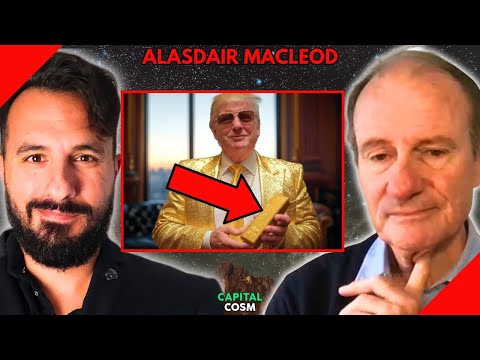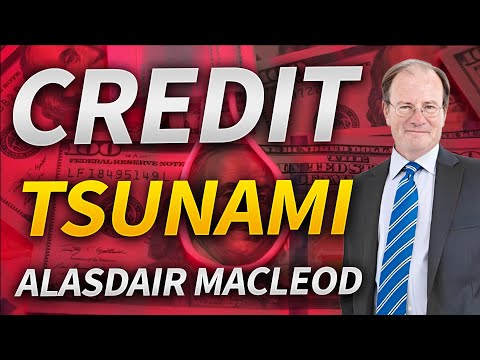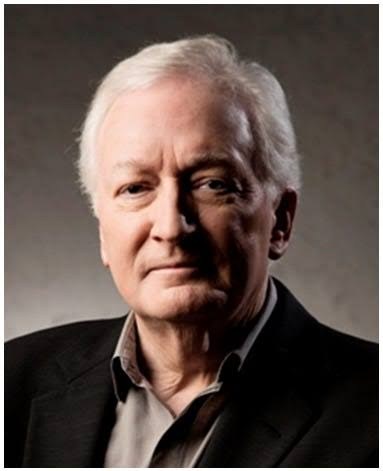
Macleod’s recurring worldview is strongly anti-fiat and monetary-order focused.
📈 See how Alasdair MacLeod's thesis changed over time →Preview how this speaker shows up across market transcripts. Unlock the full archive, AI chat, and the version personalized to your watchlist, followed channels, and favorite speakers.
Alasdair Macleod is a long-time macro and monetary commentator with a background in brokerage, banking, and research. Across the supplied material he presents himself as a former bank director, former head of research at GoldMoney, and independent publisher of Macleod Finance / financeandeconomics.org. His commentary consistently centers on monetary history, sovereign debt, bond markets, precious metals, and the fragility of fiat currency systems.
Macleod’s recurring worldview is strongly anti-fiat and monetary-order focused. He argues that currencies are being debased, credit systems are becoming unstable, and bond yields are likely to rise as markets reassess sovereign risk. He repeatedly frames gold and silver as monetary assets without counterparty risk and sees them as preferred refuges from collapsing fiat credit. He also emphasizes China’s strategic accumulation of gold, silver, and other commodities, the likelihood of structural shortages in silver, and the idea that commodity prices reflect currency purchasing-power loss rather than just demand shocks. Overall, he favors hard assets, physical delivery, and a return to market-driven or gold-linked monetary discipline, while warning that the current system is headed toward severe disruption.
Every analyzed appearance we have for this speaker, newest first. Open any transcript preview to read the underlying transcript.
Preview:Alasdair Macleod argues that China is building a gold-centered monetary and trade architecture to reduce dependence on the dollar and defend against Western fiat fragility. He reads recent moves in Hong Kong and mainland China—gold settlement infrastructure, retail paper gold restrictions, freer export rules, and expanded vault/refining capacity—as signs of a broader yuan-gold strategy. He then links that thesis to rising bond yields, G7 debt stress, Gulf tensions, and commodity shortages, concluding that physical gold and silver are the only reliable stores of value.
Preview:Alasdair Macleod delivers a stark warning: the global fiat credit system is approaching terminal collapse, driven by unsustainable government debt (G7 average ~125% debt/GDP), coming energy-driven inflation, and an inevitable slump that will crater tax revenues while forcing unlimited QE. He frames gold not as something rising but as the stable anchor against which all fiat currencies are falling — with gold near $3,995 marking what he believes is the peak of a dollar rally. His core trade: exit all fiat credit (including ETFs, which are just another form of credit) and own physical gold and silver, with silver poised for a "huge great squeeze" as industrial demand goes unchallenged and investor psychology drives a second wave of buying from those who feel they "missed" gold's move.
Preview:Alasdair Macleod argues the fiat currency system is approaching collapse, driven by China and Russia positioning for a gold-backed monetary order. He presents evidence of China's gold infrastructure buildout (SGE vaults in Hong Kong/Saudi Arabia, relaxed export controls, banks told to dump Treasuries and close speculative positions), Russia's capacity to go onto a gold standard, and structural fragility in Western paper gold markets ($800T+ derivatives, shrinking COMEX open interest). His core thesis: get out of credit entirely and own physical gold and silver as the only real money.
Preview:Alasdair Macleod presents a deeply bearish macro thesis: Western financial markets are profoundly distorted by propaganda, credit bubbles, and price suppression, while physical gold and silver continue draining from West to East at unprecedented rates. He highlights an extraordinary reversal in China's silver trade — from exporting to suppress prices to importing 1,636 tons in Q1 2026 — and argues the sulfuric acid supply disruption from the Gulf crisis makes current silver pricing nonsensical. On gold, he cites massive COMEX delivery demands and continued Chinese buying. He frames all fiat currency as credit (not money), urges investors to measure wealth in gold rather than currency terms, and argues the transition from wealth accumulation to wealth preservation is now urgent.
Preview:Alasdair Macleod presents a dramatic thesis: China is preparing for an imminent collapse of G7 currencies, particularly the US dollar, by stockpiling physical gold, silver, and copper while building a yuan-based, gold-linked alternative monetary system. He argues China views the current moment as a "crack-up boom" — the terminal phase of fiat currencies. Macleod points to Chinese gold imports, vault construction in Hong Kong and Saudi Arabia, CIPS payment infrastructure, and relaxed gold export controls as evidence. He contends Western paper precious metals markets will die alongside the currencies they're denominated in, and dismisses Keynesian trade-balance thinking in favor of savings-rate differentials as the true driver of trade surpluses.
Preview:Alasdair Macleod argues that silver and gold are in a structural bull market driven by China's strategic accumulation and a broader fiat currency crisis. He claims China has reversed its long-standing policy of exporting silver to cap prices, instead becoming a net importer — buying ~1,626 tons in Q1 2026 alone. Macleod frames this as part of a "central bank's version of a crack-up boom" where China is dumping dollars for hard assets. He advises physical stacking over trading paper, warns that silver will move violently and leave speculators behind, and highlights recent PBOC policy changes enabling gold exports to Hong Kong for the first time. The core thesis: fiat currencies are going to zero, and owning physical commodities is the only rational response.
Preview:Alasdair Macleod argues China is systematically positioning the yuan as a gold-backed currency via Hong Kong's new physical-settlement gold market and SG vaults, replacing a failing Western fiat system. He estimates China's state holds ~50,000 tonnes of gold (~30-35% of global above-ground stocks), accumulated over decades. Russia could similarly anchor the ruble to gold, potentially destabilizing European adversaries. Macleod contends the US has effectively lost most of its gold reserves through decades of leasing and misrepresentation, leaving it defenseless against an emerging Eastern gold standard.
Preview:Alasdair Macleod argues that China has been secretly accumulating gold and silver for decades as a deliberate hedge against the inevitable collapse of fiat currencies. He contends that China recently reversed its silver export policy (causing silver to jump from $50 to $120), is now a net silver importer, and has just liberalized gold exports between Shanghai and Hong Kong. His core thesis: fiat currencies are dying, and investors should accumulate physical silver, gold, copper, and oil regardless of price — just to get out of paper money.
Preview:Alasdair Macleod argues China is executing a deliberate "crack-up boom" strategy — importing gold, silver, and copper to shed dollars, building yuan-gold exchange infrastructure (SGE vaults in Hong Kong, Saudi Arabia), and preparing a Bretton Woods-style gold-backed yuan at a fixed exchange rate. He sees the dollar and G7 fiat currencies heading toward collapse, with the paper gold markets (LBMA, COMEX) dying alongside them. The market itself, he claims, is migrating from West to East. Macleod estimates China's state gold holdings at ~20,000 tons and private holdings at ~28,000 tons, positioning silver miners as the ultimate beneficiaries of this monetary reset.
Preview:Alasdair Macleod argues that China has been systematically accumulating physical gold and silver since 1983 as deliberate state policy, and that silver recently broke $50 resistance to hit $120 after China halted exports to the US. He predicts silver will eventually reach $600 (10x from current levels) as fiat currencies collapse toward zero. His core thesis: stacking physical bullion is the only rational response to the death of paper currencies, and traders trying to time entries will miss the move entirely.
Preview:Alasdair Macleod argues that China has been strategically accumulating gold and silver for decades as a hedge against fiat currency collapse. He claims China suppressed silver prices by exporting to fill Western deficits, then reversed policy around September-October 2025, driving silver from $50 to $120. China is now importing massive amounts of silver (~1,626 tons in Q1 2026, annualizing ~5,000+ tons) while reportedly ceasing exports. Macleod frames this as a "central bank version of a crack-up boom" — China dumping fiat currencies for hard assets. He also highlights Hong Kong's new gold clearing system and vault expansions as infrastructure preparing for a shift away from Western-dominated gold markets. His advice: stack physical silver and gold relentlessly, ignore short-term price, and view ownership as fiat-currency exit, not trading.
Preview:Alasdair Macleod argues that silver’s next major move will be driven less by a price target and more by fiat currency debasement, so the practical answer is to accumulate physical metal rather than try to time the trade. He sees China as quietly stockpiling gold, silver, copper and other real assets while helping shape new settlement infrastructure in Hong Kong and elsewhere, all of which he interprets as preparation for a broader fiat-system breakdown. He also ties today’s Middle East tensions to the 1973 oil shock, saying an energy-driven inflation scare could push investors out of cash and credit into gold.
Preview:Alasdair Macleod delivers a sweeping anti-socialism polemic, arguing that expanding government intervention in the UK (under a presumed incoming Prime Minister Andy Burnham), the EU bureaucracy, and even Trump's economic policies represents "communism light" that will accelerate a currency crisis. He ties this to an impending energy-price shock from a Persian Gulf conflict he claims the UK government instigated, which he warns will produce a hyperinflationary slump. The transcript is light on data, heavy on political philosophy, and contains no specific market calls, price targets, or tactical trade ideas.
Preview:Alasdair Macleod delivers a dire macro thesis centered on Japan's bond crisis, China's accelerated dollar dumping, and the weaponization of precious metals accumulation. He argues China is preparing to put the yuan on a gold standard, Western paper gold markets are doomed, and the dollar faces a crack-up boom as China pivots from exporter to massive importer of silver while restricting commodity exports.
Preview:Alasdair Macleod argues the US dollar is in structural collapse, driven by America's failed military campaign against Iran, the Strait of Hormuz remaining restricted, and China systematically preparing a yuan-gold monetary anchor. He contends gold isn't rising — fiat currencies are falling. China has been selling dollars, accumulating gold (possibly 30-40,000 tons), building Hong Kong vault infrastructure, and preparing to fix a yuan-gold exchange rate. He sees BRICS as increasingly irrelevant, with America retreating into a Monroe Doctrine posture. The interview warns of a coming fiat currency collapse, rising bond yields, and COMEX/LBMA paper markets being wiped out.
Preview:Alasdair Macleod argues gold isn't rising — currencies are collapsing. He frames the dollar's decline as structural and accelerating, driven by foreign Treasury liquidation, China's strategic pivot toward gold-backed yuan settlement, and shrinking global appetite for US debt. He claims China holds 30-40,000 tons of state gold, is building infrastructure for a yuan-gold standard, and is quietly dismantling dollar dependence. Central bank buying at record levels, stagnant mine supply, and looming COMEX/LBMA irrelevance form his core thesis. The interview covers the 2026 gold pullback, Reichsmark historical parallels, and the argument that nominal gold prices misrepresent a deeper monetary regime change.
Preview:Alasdair MacLeod argues the Western fiat currency system is in a terminal debt trap, with G7 sovereign yields rising beyond governments' ability to service debt. He posits China and Russia are positioned to anchor their currencies to gold, creating a credible alternative to the dollar. His core thesis: get out of credit entirely and into physical gold (and silver) as money without counterparty risk. The interview covers China's nascent gold-backed yuan strategy via the Shanghai Gold Exchange, Russia's potential ruble gold standard, 19th-century monetary lessons, and the systemic collapse he sees unfolding over 1–3 years.
Preview:Alasdair Macleod presents a thesis that China is aggressively dumping US dollars and accumulating physical gold, silver, copper, and strategic commodities as preparation for a dollar collapse and a yuan gold-standard. He cites multiple signals: PBOC instructing banks to reduce Treasury holdings, China flipping from silver exporter to massive importer, building yuan-denominated gold vaults internationally, and easing gold export restrictions from mainland China to Hong Kong. His core argument: China sees a fiat currency crack-up boom approaching and is positioning ahead of it, with timing potentially sooner than originally planned.
Preview:A curated clip compilation featuring Alasdair Macleod and Andy Schectman making the case that China is preparing to back the yuan with gold, while simultaneously accumulating massive physical silver and gold. Macleod details recent Chinese policy moves — telling banks to lighten US Treasuries, ordering closure of speculative gold/silver positions, building physical vault infrastructure in Hong Kong and beyond — as evidence China is constructing a yuan-gold standard that could undermine the dollar. Schectman provides COMEX delivery statistics showing record physical off-take amid price weakness, arguing the "biggest money" is using price weakness as cover for accumulation. Both frame precious metals as the anchor of an emerging asset-based (not debt-based) financial system.
Preview:Alasdair Macleod argues that China is actively dumping dollars and preparing to back the yuan with gold, evidenced by massive gold imports (~700t YTD), silver imports exceeding 2,000t, and building a physical gold marketplace in Hong Kong. He sees this as the earliest sign of a crack-up boom in fiat currencies, with the dollar's collapse accelerating. Japan's yen and JGB market are flagged as an immediate vulnerability, while resurgent socialism across the G7 deepens the fiscal crisis. His core advice: exit credit exposure and hold physical precious metals as the only money without counterparty risk.
Preview:A compilation of interview clips featuring Alasdair Macleod and Marc Faber discussing the global silver market and China's economic trajectory. Macleod argues China has shifted from being a silver price suppressor (via dory refining and JP Morgan-facilitated hedging) to a silver accumulator, citing record imports, LBMA lease rate spikes, and export restrictions tied to the US designating silver a critical mineral. Faber contends China is technologically far ahead of Western perceptions, particularly in EVs and manufacturing, and suggests Hong Kong equities as a way to play Chinese innovation. The framing is that Western capital markets are being drained of silver and that a multipolar economic shift is underway.
Preview:Alasdair Macleod argues that China has been quietly accumulating gold for decades and may now be in a position to use it as a trade-settlement anchor for the yuan, especially if the dollar weakens further. He also claims Western central-bank gold stocks may be overstated, that some gold was likely leased or sold into the market, and that a future audit would be so destabilizing it will not happen.
Preview:Alasdair Macleod argues that the real story is not gold ‘going up’ but fiat currencies, especially the dollar, going down. He says the current geopolitical and fiscal backdrop makes lower rates unlikely, inflation more persistent, and the currency debasement trend harder to reverse without a Volcker-style policy shock. His main actionable market conclusion is bullish silver and gold over time, with silver especially tight because China has shifted from a major net exporter to a buyer, creating a physical squeeze.
Preview:Alasdair Macleod argues that prolonged credit distortion, state intervention, and suppressed interest rates have weakened capitalism’s normal “creative destruction,” leaving Europe, the U.S., and the global system burdened by bad debt and declining dynamism. He frames gold as the clearest beneficiary of monetary debasement, and sees the current environment as a historical transition in which debt, empire, and banking models are being reworked rather than smoothly managed.
Preview:The speaker argues that a tightening physical metals market—especially gold and silver—could set up a sharp move higher after an initial period of weakness. He frames the big driver as supply shortages, Chinese stockpiling, and export restrictions, with silver potentially the most explosive because it is both monetary and industrial.
Preview:Alasdair Macleod argues that gold and especially silver are setting up for a sharp upside move driven by inflationary pressure, geopolitical supply shocks, and Chinese accumulation. He says Western investors are under-owned in gold, while China is channeling household savings and trade surpluses into precious metals, creating a physical squeeze that paper markets have not fully priced.
Preview:Alasdair Macleod argues that gold and especially silver are setting up for a sharp upside move because physical supply is tightening while paper markets are underprepared. He emphasizes China’s accumulation of gold and silver, shrinking liquidity in Western markets, and the possibility that silver could move much faster than most investors expect.
Preview:Alasdair Macleod argues that markets are sitting on a credit-driven bubble and that the priority now should be wealth protection, not speculation. His preferred defensive response is to get out of credit and move into “real money” — especially gold and, to a lesser extent, silver — because he thinks a sharp equity and credit unwind could trigger collateral calls, forced selling, and a broader financial crash.
Preview:The speaker argues that silver is set up for a sharp move, potentially much faster than most expect, because physical supply is tightening while paper markets and speculative positioning have not yet priced it in. He ties that view to low COMEX open interest, China’s role in silver flows, rising industrial demand, and a broader claim that the real systemic risk is in credit and forced liquidation, not in gold or silver themselves.
Preview:The speaker argues that both markets and geopolitics are entering a dangerous phase: credit-fueled equity valuations are stretched, bond yields are a pressure point, and any turn lower in risk assets could trigger forced selling. In that context, he says the recent pullback in gold and silver is an opportunity to move out of credit and into “real money,” especially gold, with silver as a secondary play. He also frames the Middle East situation as a major geopolitical shift that weakens U.S. influence and has implications for markets, energy, and confidence in American leadership.
Preview:The speaker argues that the Middle East is undergoing a strategic realignment away from U.S. influence toward Iran, China, Russia, and, to a lesser extent, Pakistan/Saudi alignments. He also ties the geopolitics back to macro: higher energy costs, higher inflation, higher bond yields, and eventually weaker equities and stressed sovereign finances. Along the way he uses gold, silver, margin debt, and Japan’s bond market as examples of why the current monetary and market setup may be unstable.
Preview:Alasdair Macleod argues that the financial system is entering a dangerous credit-driven breakdown, with equities far more stretched than in 2000 and gold the only reliable protection. He frames current asset prices as a bubble inflated by leverage, warns that banks and hedge-fund borrowing could force forced selling, and says investors should get out of credit and into gold before the collapse accelerates.
Preview:The transcript is a geopolitical and macro rant centered on the Iran–Israel–US conflict, arguing that a prospective deal is fragile because Israel will try to sabotage it and because regional power is shifting away from America toward Iran, China, Russia, and aligned Gulf/Pakistan actors. It also pivots into a market argument: rising bond yields and massive leverage/margin debt are the real threat to equities, with 5% on the 10-year framed as the key danger level.
Preview:The video argues that gold and especially silver are in a powerful monetary setup driven by dollar weakness, China’s tightening of physical silver supply, and broader fiat-currency decline. Alasdair Macleod and Egon von Greyerz frame silver as a scarce, strategic metal that could outperform gold sharply if gold re-rates higher, while also warning that stocks, bonds, and property are dangerously overvalued versus precious metals.
Preview:Alasdair Macleod argues the Iran deal is fragile, likely to be disrupted by Israel, and only meaningful if it reduces U.S. exposure while leaving the region re-ordered toward Iran, China, Russia, and Pakistan. He then broadens the discussion into a bearish macro thesis: rising bond yields, higher funding costs, and mounting debt will eventually crush equities and force massive QE, while gold and especially silver benefit from fiat-currency debasement and a tightening physical metals market.
Preview:Alasdair Macleod argues the market is misreading gold as a price rally when it is really a falling-dollar story. He says the U.S. is trapped by debt, rising yields, and likely money printing, which should ultimately weaken the dollar and support gold and silver as monetary assets rather than speculative trades.
Preview:Peter Schiff and Alasdair Macleod argue that the pullback in gold and silver is a temporary correction inside a larger bull market, not the start of a top. Their core case is that war, deficits, monetized spending, currency debasement, and physical tightness in silver all remain supportive, with gold near key support and mining stocks already showing relative strength.
Preview:The transcript is a bullish, highly conviction-heavy discussion of silver, with gold used mostly as a backdrop. The speaker argues silver is being squeezed by tight physical liquidity, limited deliverable inventory, industrial demand, and underallocation by institutions, while speculators and bullion banks appear reluctant to be short.
Preview:The video argues that silver is still mispriced because the market is treating it too much like a monetary metal and not enough like a constrained industrial input. The speaker says demand is being driven by solar, EVs, AI data centers, defense/ordnance replacement, and India/Asia buildouts, while available liquidity and mine supply remain tight. He thinks a breakout could come suddenly and sees silver miners as likely beneficiaries.
Preview:The interview argues that the Iran war is not noise but the catalyst for a major global financial reset: higher oil and fertilizer prices will feed into CPI later, force bond yields up, weaken the dollar, and ultimately trigger a broad equity and credit liquidation. The guest is especially bearish on U.S. equities and mining stocks in the near term, but bullish on physical gold and silver as the real monetary refuge and on gold-producing miners once the broader panic stabilizes.
Preview:Alasdair Macleod argues that silver and gold are underpriced because physical liquidity in London and COMEX is thin, shorts are getting uncomfortable, and market makers are backing away from being short. He sees the current setup as squeeze-prone, with silver additionally supported by industrial demand from EVs, solar, missile stockpiles, and data centers, while gold remains the core monetary hedge.
Preview:Alasdair Macleod argues that silver is being mispriced because the market still treats it like a precious metal, while the real constraint is industrial supply. He says sulfuric acid shortages, especially after Hormuz-related disruptions and China’s export behavior, are tightening the copper/nickel refining chain where much silver is produced as a byproduct. He also says the futures market is showing stress: open interest has collapsed, swaps/bullion banks are wary of being short, and London liquidity looks thin enough to spark a squeeze.
Preview:The speaker argues that silver is being mispriced because markets still treat it like a precious metal, while its real drivers are increasingly industrial, geopolitical, and physical-supply related. He links recent strength in copper and nickel to sulfuric-acid shortages and says silver should have benefited too because a large share of mined silver is a byproduct of those base metals, but it has not yet done so.
Preview:Michelle Makori interviews Alasdair Macleod about Fort Knox audit calls, gold revaluation, China/Russia gold policy, and a coming fiat-currency breakdown. Macleod’s core view is maximalist: he argues a Fort Knox audit will not happen because it could expose missing U.S. gold and destabilize the dollar, while the broader fiat system is already entering a debt trap that could end in currency collapse, hyperinflation, and a dramatic rise in gold measured in dollars.
Preview:Alasdair Macleod argues silver is quietly setting up for a sharp repricing because supply remains in deficit, COMEX positioning is still tight, and industrial demand is accelerating while China is no longer offsetting shortages. He thinks markets are underestimating both the industrial and monetary demand paths, and he repeatedly warns investors not to try to trade the move too precisely.
Preview:Michelle McCrory interviews Alasdair Macleod about a potential silver supply shock. The core thesis is that silver is being mispriced because markets still treat it mainly as a precious metal, while a growing industrial squeeze, China’s changing export behavior, and a sulfuric-acid bottleneck tied to Middle East disruption are tightening physical supply. Macleod argues the market is already showing stress through very low COMEX open interest, reduced willingness of market makers to stay short, and persistent Chinese accumulation of silver.
Preview:Alasdair Macleod argues that the world is entering a sharp macro/geopolitical reset: BRICS is becoming a looser China-centered trade bloc, the petrodollar is eroding, and the dollar is dangerously over-owned by foreigners. He thinks recent Middle East conflict and shifts in Eurasian power accelerate de-dollarization, while rising bond yields will likely burst an overvalued US equity market financed by massive credit.
Preview:Alasdair Macleod argues silver is materially mispriced versus its industrial importance and the tightening physical backdrop. He says supply is being constrained by byproduct production, sulfuric acid shortages, and China’s shift from exporting to stockpiling silver and other raw materials, while paper-market indicators like COMEX open interest and London lease rates show a potentially fragile market structure.
Preview:The speaker argues silver is deeply mispriced and vulnerable to a major squeeze because physical scarcity, strategic stockpiling, and industrial demand are colliding while COMEX paper positioning looks extremely thin. He extends the same broader thesis to gold, saying the real story is not rising gold but a falling dollar and a possible shift toward gold-backed or gold-like monetary substitutes such as Tether's accumulation of gold.
Preview:Alasdair Macleod argues that physical gold and silver are being chronically underpriced by paper futures markets, with evidence from vault flows, low open interest, and delivery stress. He links the precious-metals setup to wider de-dollarization and geopolitical distrust of the US financial system.
Preview:Alasdair Macleod argues that the key story is not gold and silver rising, but fiat currencies falling as the global debt burden becomes unmanageable. He says central banks understand this and are accumulating gold as a reserve against paper-money weakness, while silver could be even more explosive because of both monetary demand and persistent industrial demand.
Preview:Alasdair Macleod argues that silver is badly mispriced relative to physical tightness, industrial demand, and geopolitical disruption, and he believes the current paper-market structure cannot absorb the strain. He ties the silver setup to a broader thesis: China is restricting strategic materials, the Iran/Hormuz conflict is intensifying commodity shortages, and the fiat-dollar system is entering a debt- and yields-driven trap that ultimately favors gold and silver.
Preview:Alasdair Macleod argues that fiat currencies are losing purchasing power, bond yields are breaking higher, and the right response is to own physical gold and silver rather than cash or bonds. He says the recent commodity upswing started before current geopolitical shocks, so inflation is not just a Gulf/Straits of Hormuz story, and he sees equities as vulnerable after a credit-fueled run.
Preview:Alasdair Macleod argues that the global gold market has been obscured by leased bullion, off-market transfers, and central-bank accounting practices that can make gold appear to still belong to a central bank even when it is no longer physically there. He says the broader reason gold is being revalued now is that the fiat-dollar system is weakening, bonds have suffered large capital losses, and both institutions and central banks are being forced back toward gold and commodities.
Preview:Alasdair Macleod argues that fiat currencies are losing purchasing power, which should keep gold rising and eventually pull silver higher as investors and industrial users chase scarce physical metal. He frames the move as part of a broader shift away from paper claims toward real money, while warning that bonds and equities are vulnerable as yields rise and confidence in currencies erodes.
Preview:Alasdair Macleod argues that gold and silver are being systematically underpriced by paper markets while physical demand and inventory stress are building. He says low open interest, widening dealer spreads, and eastward metal flows show the market is seizing up, with silver especially vulnerable because industrial demand is rising and above-ground stocks are thin.
Preview:Alasdair Macleod argues that the recent silver pullback is a temporary shakeout, not a broken thesis. He says physical demand remains firm in China and India, COMEX bullish positioning is extremely light, and delivery stress plus rising lease rates show that real supply is still tight even if paper prices have corrected.
Preview:Alasdair Macleod argues that fiat risk is rising fast, bond yields are breaking higher, and gold/silver are being structurally mispriced by paper markets. His core message is that investors should stop thinking in nominal price targets and instead treat precious metals as protection against a deteriorating currency system.
Preview:The speaker argues that gold and silver are not trading vehicles but protection against an unfolding currency/debt crisis. He says central banks, especially in Asia, are accumulating gold because fiat currencies are being debased, while government debt and political pressure make future central bank policy likely to favor money printing over discipline.
Preview:Alasdair Macleod argues that the fiat currency system is approaching failure and that gold is increasingly the monetary alternative, not just an inflation hedge. He dismisses precise price targets like $8,000 as arbitrary, but uses them to illustrate that if fiat currencies keep losing credibility, gold’s value in those currencies could reprice sharply higher.
Preview:The speaker argues that mainstream gold price targets and rate-based models miss the core issue: fiat currencies are losing credibility, and that will ultimately overwhelm conventional assumptions about gold, interest rates, and the dollar. He says central banks’ sustained gold buying is the clearest sign, and he frames the current market as a transition from the post-Volcker carry-trade era back toward a 1970s-style setting where higher rates can coincide with stronger gold, not weaker gold.
Preview:The video argues that silver is in a fundamentally tighter market than the headline price action suggests: paper-market profit taking caused a temporary shakeout, but physical demand is still strong, inventories are moving out of Western markets, and supply is being strained by industrial bottlenecks and geopolitics. The speaker’s broader view is that silver, and gold alongside it, should benefit from weaker fiat currencies, rising geopolitical risk, and growing institutional recognition that hard assets are becoming more important.
Preview:Alasdair Macleod argues that the world is moving into a debt-and-currency crisis driven by rising sovereign borrowing, weakening confidence in fiat money, and escalating U.S.-China financial tensions. He says silver stands out because it has both monetary and industrial demand, and that tightening supply plus policy shifts in China could trigger a major squeeze.
Preview:Alasdair Macleod argues that the real story is not whether gold is temporarily above or below a round number, but that fiat currency systems are being eroded by debt, political pressure, and central bank behavior. He dismisses price targets like $8,000 as less important than the underlying shift: central banks, especially in Asia, are accumulating gold because they see currency risk, not because they are trading for short-term gains.
Preview:Alasdair Macleod argues the fiat currency system is unraveling, central banks are shifting toward gold, and the real risk is moving from gold to currencies. He is bearish on stocks, calling equities the biggest credit bubble ever, and says the eventual collapse will force massive money printing and a broader reset.
Preview:Alasdair Macleod argues that the global financial system is being reorganized around China, Russia, Iran, and parts of the broader Asian sphere, while the U.S. and Europe are losing credibility, influence, and military leverage. He frames recent Middle East events as evidence that American bases and alliances are weakening, and says this will accelerate distrust in the dollar, sterling, and euro, boosting gold and silver as “real legal money without counterparty risk.”
Preview:Alasdair Macleod argues that gold is money and everything else is credit, so the world is in a slow flight out of paper claims into hard assets. He says Western central-bank and bullion-market selling looks exhausted, while China, Turkey, and some sovereign actors are using gold more strategically, which could leave gold and silver poised for a larger reallocation higher.
Preview:The speaker argues that the world is moving toward a multipolar order centered on China, Russia, Iran, and possibly India, while the U.S. loses influence in the Middle East, Asia, and eventually in reserve currencies. That geopolitical and monetary loss of confidence, in his view, is why gold and silver should keep rising, with silver framed as real money rather than a government liability.
Preview:Alasdair Macleod argues that the global monetary system is moving toward a gold-centered reset, driven by Western fiscal weakness, China’s strategic accumulation of gold and commodities, and tightening physical supply. He thinks gold and silver are under-owned by institutions, that the recent positive correlation with oil is a meaningful shift, and that a large portfolio reallocation into metals could cause outsized price moves.
Preview:Rafi Farber and Alasdair Macleod argue that gold and silver are no longer just inflation hedges but warning signals for a fragile monetary system. They think the market is in a “preview” phase, and that a true end game only begins if another banking crisis forces massive Fed money creation, which could trigger a hyperinflationary scramble into physical metals.
Preview:Alasdair Macleod argues that gold and silver are being suppressed in paper markets by a shrinking pool of Western sellers, while physical demand and central-bank behavior point the other way. He says the recent weakness in metals reflects portfolio managers preferring cash, COMEX open interest being historically low, and bullion banks using paper short positions to mark prices down rather than true liquidation. He also claims Western custodians may not be able to return all the gold they are supposedly holding, making delivery and repatriation issues a deeper trust problem than a technical market issue.
Preview:Alasdair Macleod argues that the world is moving from a U.S.-led fiat/currency system toward an East-centered order anchored by China, Russia, and Iran, with gold and silver gaining because they are “real legal money” without counterparty risk. He says the Middle East conflict has exposed U.S. military limits, accelerated de-dollarization, and pushed states and portfolios to rethink reserve and asset allocation.
Preview:Alasdair Macleod argues that the big macro story is not gold rising but fiat currencies falling, with China and Asia accumulating gold as a deliberate escape from Western currency risk. He links that monetary shift to the Iran conflict, saying the war will likely escalate, the US may be forced out of the Gulf, and that this would accelerate pressure on dollars, euros, and other fiat units.
Preview:Alasdair Macleod argues the world is moving into a more dangerous phase of commodity, debt, and currency stress, with China and Asia treating currency debasement as the main risk while Western investors still prioritize cash and portfolio de-risking. He ties the recent moves in oil, gold, silver, US Treasury exposure, and G7 bond yields to a broader escalation around Iran, China, Russia, and the dollar system.
Preview:Alasdair MacLeod argues the silver market is being distorted by a real physical supply squeeze, not just investor speculation. His core point is that China stopped exporting roughly 3,500–4,000 tons of silver a year in 2025 and is now re-absorbing metal into domestic stocks amid surging photovoltaic demand, while Western buyers and India are also competing for supply. He extends that argument into a broader thesis that fiat currencies are losing purchasing power and that rising bond yields will eventually force central banks back into rate suppression, weakening currencies further.
Preview:Alasdair MacLeod argues that the Middle East conflict, especially the Hormuz blockade risk, is exposing a larger financial fragility: oil shocks, Japanese inflation risk, the unwind of the yen carry trade, and growing pressure on the dollar system. He says equity markets are being held up by excess credit rather than fundamentals, while gold remains the only safe asset because it has no counterparty risk.
Preview:Alasdair Macleod argues silver is in the middle of a genuine physical squeeze driven by industrial demand, investment demand, and China’s tightening role in the supply chain. He thinks the move is not just a chart pattern but a structural shortage that could send silver much higher, especially if geopolitical shocks or a broader fiat-currency crisis accelerate the scramble for real metal.
Preview:Alasdair Macleod argues that silver is entering an acute squeeze driven by industrial demand, falling Western inventories, and tighter Chinese export behavior. He extends that view into a broader macro thesis: bond yields, inflation, and sovereign debt stress are part of a debt-trap dynamic that could eventually destroy confidence in fiat currencies and push savers toward tangible assets like silver and gold.
Preview:The video is a geopolitical-and-macro discussion centered on an imminent Iran escalation, China/Russia pushback against U.S. pressure, and the knock-on effects for oil, inflation, bonds, and precious metals. The speakers argue that a short-term attack on Iran could still happen soon, but they disagree slightly on timing; both see the larger consequence as higher energy prices, stagflation, and eventually a severe test of the fiat/debt system.
Preview:The interview argues that China is escalating a financial and geopolitical challenge to the U.S. through sanctions resistance, treasury selling, commodity control, and gold accumulation, while the U.S. is trapped by its Middle East commitments and a worsening bond/currency crisis.
Preview:Alasdair Macleod argues that the Iran/Gulf conflict is escalating into a broader geopolitical and financial shock that will push bond yields higher, undermine sovereign funding, and accelerate a currency debasement cycle. He is especially bullish on silver, saying industrial demand, Chinese export tightening, COMEX/London drains, and LBMA stress are setting up an acute squeeze.
Preview:The speaker argues that the combination of high government debt, shorter-dated Treasury funding, and a Persian Gulf oil shock is creating an unsustainable macro setup that will force either a slump or aggressive monetary debasement. He says commodities look extremely undervalued versus gold, that the Iran conflict is accelerating a broader commodity bull market, and that the Fed will likely choose QE and currency dilution over allowing unemployment and default pressure to rise.
Preview:Alasdair MacLeod argues that gold’s long-run value is stable and that the apparent rise in gold prices is really fiat currency debasement, especially the U.S. dollar’s decline since the end of gold convertibility. He extends that logic to debt, saying modern economies are overlevered, governments keep funding deficits by printing, and central-bank support has propped up zombie businesses. He also contrasts the West unfavorably with China, which he says is using AI and automation to cut costs and widen its advantage.
Preview:Alasdair Macleod argues China likely accumulated an enormous amount of gold off-balance-sheet over decades, using foreign exchange surpluses, state control, mining output, and a gold lease/carry-trade era to quietly absorb supply. He extends that thesis to today, saying China is building overseas vaulting and settlement infrastructure to reduce dependence on fiat money and dollar-based trade.
Preview:Alasdair Macleod argues that the collapse of the gold standard severed the link to real settlement, leaving governments free to print money, inflate debt, and erode purchasing power. He says the dollar has fallen rather than gold rising, that commodities are generally cheap in gold terms, and that the financial system is now broken enough that investors should move out of credit and into gold as final settlement.
Preview:Alasdair MacLeod argues that Middle East disruption is accelerating an existing precious-metals bull case: tighter commodity supply, higher bond yields, weaker currencies, and a shift into gold and silver as money. He is especially bullish on silver, framing the market as already in deficit and vulnerable to a squeeze if China keeps prioritizing domestic demand and solar manufacturing while households buy more physical metal.
Preview:Alasdair Macleod argues that China has spent decades quietly accumulating gold, building domestic and now offshore infrastructure to use gold as a settlement mechanism for yuan-linked trade. He says this long plan is now more urgent because Trump-era trade disruption and geopolitical strain are accelerating the end of the dollar-centric fiat system, making gold a wealth-preservation tool rather than a speculation.
Preview:Alasdair Macleod argues that China's complete cessation of silver exports in 2025 is a pivotal structural event for global silver markets. He contends that China had been quietly supplying the West from decades-old stockpiles, masking a persistent supply deficit. With exports now at zero, Shanghai premiums running 12-14%, and industrial demand (particularly solar) soaring, Macleod sees a major supply squeeze ahead. He ties this to a broader geopolitical thesis: China and Russia are moving toward gold-backed trade settlement, while Western fiat currencies face inevitable decline. He dismisses mainstream analyst forecasts (like UBS's $100 target) as missing the monetary and geopolitical dimensions entirely.
Preview:The video argues that gold and especially silver are being quietly accumulated by China while Western investors keep selling into strength, creating a physical supply squeeze that could eventually cause abrupt repricing. Luke Gromen and Alasdair Macleod frame this as a slow-moving confidence problem in fiat money and bond markets rather than an imminent collapse, but one that could produce very large upside moves in hard assets if stress increases.
Preview:Alasdair Macleod argues that China's complete cessation of silver exports in 2025 (from 137 million ounces in 2024 to zero) removes the hidden supply source that has quietly balanced seven years of Western deficits. He believes this structural break, combined with soaring industrial demand, Asian monetary demand, and geopolitical weaponization of critical minerals, could drive silver to $300–$500/oz, validating Michael Oliver's earlier technical forecast. Macleod ties silver's trajectory to a collapsing dollar, potential Hormuz/Mandeb Strait disruptions, and a coming bond-market policy trap for G7 central banks.
Preview:Alasdair Macleod argues that the fiat-currency system is unraveling, with gold functioning as real money and silver positioned as the more explosive upside trade because of its relative cheapness, low liquidity, and industrial importance. He frames the current setup as one where Western paper assets remain inflated while physical precious metals are being drained eastward, and he thinks mining equities—especially precious-metals miners—stand to benefit as fiat purchasing power erodes.
Preview:Interview focused on China’s record silver imports, China/Russia gold accumulation, and a broad thesis that fiat currencies are weakening while precious metals and commodities are entering a major upswing.
Preview:Alasdair Macleod argues that gold and silver are rising mainly because fiat currencies are losing purchasing power, not because the metals are changing intrinsically. He says the world is moving toward the end of the fiat era, with gold as final-settlement money and silver additionally squeezed by tight market liquidity and strong industrial demand.
Preview:Alasdair Macleod argues that the West is heading into a severe financial crisis driven by rising bond yields, an overextended equity market, and policy responses that will likely end in heavy QE and currency debasement. He also says geopolitics is feeding the pressure through disrupted energy/mineral supply chains, especially around Iran and China, and that gold and silver are becoming more central to the global monetary order.
Preview:Peter Schiff argues that war headlines are mostly a rates story: peace expectations are lifting gold, stocks, Bitcoin, and FX because markets think lower oil could give the Fed room to cut. He disagrees with the usual inflation logic, saying higher oil is not itself inflationary unless the Fed accommodates it, and he expects both inflation and real rates to stay unfavorable for cash and the dollar.
Preview:Alasdair Macleod argues that gold and silver are being squeezed by a widening gap between paper-market pricing and physical scarcity. He says bullion banks and swap dealers are net short and trying to reduce liability after the March COMEX expiry, while physical metal is being pulled out of Western exchanges and into Asia, especially China. He frames the low open interest in both gold and silver as evidence that speculators are absent, leaving price action vulnerable to paper-driven raids, but also making the current weakness attractive for physical buyers and stackers.
Preview:Alasdair Macleod argues that fiat-currency debasement, not commodity fundamentals alone, is the key driver of current precious-metals and commodity prices. He expects volatile near-term action in silver and other markets, but thinks the larger move is higher because central banks will respond to debt stress with more money creation, pushing the dollar lower in real terms and supporting gold, silver, base metals, oil, and commodities more broadly.
Preview:The video argues that escalating Middle East conflict—especially around Iran, the Red Sea, and Hormuz—could shock oil, inflation, and geopolitics far more than markets currently price in. The speaker is especially bullish on gold and skeptical that Western policymakers, banks, and markets understand the scale of the risk.
Preview:Alasdair Macleod argues the global fiat currency system is approaching an endgame, with gold and silver poised for dramatic repricing. He highlights massive underexposure to gold among US wealth managers despite their own bullish forecasts, extreme physical gold demand in China (banks running lotteries for allocation), zero speculative interest in Western futures, and Japan as a potential crash catalyst. His core thesis: paper suppression of gold prices cannot hold indefinitely against overwhelming physical demand, and when it breaks, gold goes sharply higher — interrupted only by a possible deflationary crash where everything (including gold) briefly sells off, which he'd view as a buying opportunity.
Preview:Alasdair Macleod argues that the Fed and Treasury are trapped in a debt-refinancing problem that will force ever-larger short-term money creation, which he says is ultimately bearish for the dollar and bullish for gold and silver. He frames the current gold bid as evidence of collapsing faith in fiat money rather than a simple speculative rally.
Preview:Alasdair Macleod argues that the apparent strength of the dollar and recent gold/silver price weakness are misleading because the real story is the ongoing collapse of fiat currencies and credit systems. He says gold remains money, currencies are credit, and current moves are mostly paper-market shakeouts rather than a true change in physical demand.
Preview:Alasdair Macleod argues gold and silver are in a secular bull market driven by the terminal decline of fiat currencies, not cyclical speculation. He dismisses recent price weakness as technical COMEX options/futures expiry mechanics and points to extremely low speculative positioning — especially in silver, where open interest is at 20-year lows. The Iran conflict is accelerating an inflationary commodity super-cycle; he sees commodities priced in gold rising 300-500% from current levels. Higher bond yields will accompany, not suppress, higher gold prices, because gold is the benchmark for where yields should go. The endgame is fiat currency death unless governments adopt a gold standard — which he considers politically impossible.
Preview:Alister Macleod argues that the fiat system is entering its endgame, with rising G7 bond yields, a weaker dollar, and a scramble into gold as the key responses. He says the Iran conflict and broader geopolitical stress are accelerating foreign selling of U.S. assets, which could force the Fed into intervention that further debases the dollar.
Preview:The speaker argues that the Iran war has accelerated the breakdown of the fiat currency system and is pushing investors out of paper claims and into gold and other real assets. He ties that view to supply-chain and inflation risks from a prolonged Middle East conflict, shrinking COMEX open interest in gold and silver, rising Chinese physical demand, and a looming unwind in global credit and carry trades.
Preview:A geopolitical roundtable argues that the Iran war is accelerating de-dollarization, weakening U.S. influence in the Middle East, and pushing more countries toward China/Russia-oriented trade and security arrangements. The speakers also claim Turkey is moving away from NATO/Israel, that Taiwan is more likely to drift toward Beijing than face a direct invasion, and that energy control and commodity pricing outside the dollar system will matter more if the conflict drags on.
Preview:The speakers argue that a major Middle East escalation could shock oil, food, credit, and financial markets all at once. Their core view is that a prolonged disruption to shipping and energy flows would push oil sharply higher, strain bonds and equities, force central banks into emergency easing, and accelerate the decline of fiat currencies.
Preview:The video argues that the recent weakness in gold and silver is a noisy, temporary interruption rather than a trend change. The speakers say positioning is light, central banks and major institutions are still accumulating, and the bigger driver is ongoing fiat-currency debasement and inflation pressure rather than headlines like war or equity volatility.
Preview:Alasdair Macleod argues commodities are massively undervalued when priced in gold (not fiat), with commodities at ~25% of fair value — implying 300%+ upside. He sees a widening disconnect between paper markets (COMEX futures) and physical bullion, with open interest at 20-year lows despite resilient Asian physical buying. He predicts a massive silver squeeze as bullion banks — which are effectively short and own no gold in managed accounts — will be forced to buy into a market with no supply. He ties this to a coming inflation surge driven by commodities repricing, which will crush bonds, force the Fed to sacrifice the dollar rather than the economy, and ultimately make gold and silver "priceless" as financial insurance.
Preview:The speaker argues that fiat currencies, especially the dollar, are steadily losing purchasing power, and that gold and silver are better understood as real money rather than speculative assets. He extends that view into commodities and private equity, saying many commodity prices are still artificially cheap in gold terms and that leveraged private-equity structures are now being strained by higher rates and debt costs.
Preview:The speakers argue that silver and gold remain in a volatile but still intact uptrend, with the recent selloffs better read as congestion than a terminal top. They pair that precious-metals view with a broader macro thesis: rising bond yields, stress in banks and financials, and leverage in private credit/private equity are signs that the financial system is under strain, which could eventually force policy response and weaken the dollar.
Preview:This is a two-speaker gold/silver and macro-collapse discussion with a strong bearish near-term view on bonds, banks, and fiat confidence, but a bullish long view on silver and hard assets. The speakers argue that recent precious-metals selling is a violent congestion move inside a larger bull market, while silver remains structurally strong and could still reach $300-$500 an ounce this year. They also warn that private credit, private equity, and leveraged financials are vulnerable to higher yields, which could force the Fed to respond by weakening the dollar rather than letting credit break.
Preview:The speakers argue that silver, gold, and broader real assets are setting up for a sharp upside move because speculative positioning is thin, central banks are still supportive, and fiat money is being degraded by war-driven inflation and ongoing money creation. They frame the current geopolitical shock as a catalyst that can accelerate an already-existing monetary bull case, with gold and silver favored over cash, stocks, and bonds.
Preview:A panel on VRIC Media argues the Iran war is less the root cause than a catalyst exposing a pre-existing fiat debasement and bond-market stress problem. Michael Oliver and Alistair Mloud both say gold, silver, oil, copper and other real assets should eventually benefit, while cash and government bonds look increasingly vulnerable.
Preview:Alasdair Macleod argues that the fiat currency system is in its late-stage collapse, with food and energy shocks likely to force governments into subsidies, money printing, and further inflation. He links the current environment to the 1970s and to historical currency breakdowns, and says the dollar is especially vulnerable because U.S. gold claims may not be fully available and because China could eventually re-anchor the yuan to gold.
Preview:Alasdair Macleod argues that the recent dollar strength is a normal crisis response that can eventually reverse into higher gold and silver prices, while China is actively insulating itself from a weakening dollar by building alternative trade and payment channels. He is especially bullish on the precious-metals complex over time, but warns that short-term pressure can hit miners as traders raise cash or take profits.
Preview:Alasdair Macleod argues that China is preparing a monetary system built on hidden gold and silver reserves, with an offshore yuan potentially backed by gold and a domestic yuan potentially linked to silver. He frames this as a response to Western currency debasement, U.S. tariffs, and sanctions-era financial fragmentation, and says the silver market already showed stress during the LBMA delivery crisis.
Preview:Alasdair Macleod argues that Western coverage of the Iran/Israel/U.S. conflict is propaganda and that markets are misreading the macro impact. His core tactical point is that crises initially drive flows into the dollar and pressure gold/miners, but that this should reverse as investors realize fiat currency weakness, supply shocks, and the strategic importance of physical metals and commodities.
Preview:Alasdair Macleod argues the US-Iran conflict is a catastrophic strategic blunder that will accelerate the collapse of the fiat dollar system within 1-2 years. He contends the US is losing militarily, oil/fertilizer supply chains are being disrupted, bond yields are surging globally, and China is positioned to deliver the coup de grâce by linking the yuan to gold. Silver COMEX turnover and open interest have collapsed to historic lows, signaling the paper derivative system is already breaking down.
Preview:Alasdair Macleod argues that silver's recent volatility is driven by massive Asian retail demand, particularly from China and India, where silver retains deep cultural memory as money. He sees this not as a speculative flash but as a structural shift tied to the terminal phase of the fiat currency system that began in 1971. His core advice: stack physical silver, don't trade it, and measure everything against gold — not depreciating fiat currencies. He assigns zero probability to politicians addressing the root fiscal problems, making currency collapse effectively inevitable.
Preview:Alasdair Macleod argues that the Iran conflict is not just a regional shock but an accelerant for a broader fiat-currency and debt-system breakdown. He says the immediate effect is higher oil, fertilizer, food, and bond yields, but the deeper effect is that the US and its allies will be forced to choose between inflation and financial-system support, which he thinks means debasing the dollar rather than defending it.
Preview:Alasdair Macleod delivers a deeply bearish macro thesis: the US equity market is in a bubble more extreme than the dot-com era relative to bonds, and rising long-end yields toward 5% will pop it. The Fed will respond with unlimited QE, sacrificing the dollar. He argues we are at the end of the fiat currency system, that gold and silver should be accumulated regardless of price, and that Middle East conflict is uniting Iran internally while China and Russia covertly assist it. He sees regional banks and private equity as the most exposed in the coming crisis, while big money-center banks may survive.
Preview:Alasdair Macleod paints a starkly bullish picture for gold, silver, and the broader commodity complex, arguing that fiat currencies are debasing rapidly and inflation could hit 20%+ by year-end. He sees a structural shift where physical metal demand is migrating to Asia (especially China), while Western paper markets (COMEX, LBMA) are losing liquidity and becoming disconnected from real pricing. He also ties his thesis to geopolitical tensions (US-Iran conflict, Trump's political fragility, Europe's energy bind) and argues the dollar is no safe haven.
Preview:A joint interview with Alasdair MacLeod and Peter Schiff discussing the 2026 silver market. MacLeod argues COMEX and LBMA silver markets are broken — inventories are collapsing, open interest is at 20-year lows, and China has quietly restricted silver exports via a new licensing regime, shifting true price discovery to Shanghai. Schiff ties the bullish gold/silver case to war financing: the US-Iran conflict will be funded by deficits and Fed money-printing, driving inflation, higher bond yields, and a weaker dollar. Both are aggressively bullish on precious metals and mining stocks, with Schiff calling for $6,000 gold and $100+ silver "very quickly."
Preview:Alasdair Macleod argues that Western precious metals paper markets (COMEX/LBMA) are breaking down due to physical shortages of silver, exacerbated by China's export ban. He posits that China is building a gold-for-yuan settlement system through Shanghai Gold Exchange vaults in Hong Kong and the Middle East, intending to fix a gold-yuan rate during a future dollar crisis. He also contends that commodities broadly appear deeply undervalued when priced in gold (real money), suggesting a coming multi-year bull market in hard assets as fiat currencies lose purchasing power.
Preview:The video argues that the precious-metals system is showing a physical squeeze, especially in silver, while gold is being repriced by geopolitics, debt stress, and distrust in paper claims. The speakers frame the COMEX/LBMA silver situation as a warning sign that bullion banks and market makers are trying to get out before contracts default, and they pair that with a very bullish long-run gold call, including a potential move toward $10,000 by 2032.
Preview:Alasdair Macleod argues that Western markets are mispricing geopolitical and monetary risk. He sees the dollar's recent strength as a reflexive but misguided safe-haven bid, driven by a Keynesian "gut reaction" that ignores the credit system's fragility. His core thesis: the US-Iran conflict will close the Strait of Hormuz for months, driving bond yields higher, crushing the dollar, and forcing a structural rotation into gold and silver. He claims Chinese banks have run out of gold bars, LBMA/COMEX dealers are scrambling to exit silver shorts, and Iran is deliberately drawing out the war to exhaust Western ammunition before deploying hypersonic missiles. He views Trump's naval-escort threats as empty and expects a US climbdown within weeks — but warns Iran will not stop. The structural consequence is a buyer's strike on US Treasuries from the Middle East, China, and Japan, which will push the 10-year yield toward 5% and trigger a dollar crisis.
Preview:Alasdair Macleod argues that Trump's military strike on Iran is a catastrophic blunder that will not succeed, predicting Iran will ultimately win. He sees the Strait of Hormuz closure as a major energy shock that will reignite inflation, destroy the bull case for bonds and the dollar, and drive a massive flight into gold and silver. He expects equities to fall further, bond yields to spike, and precious metals to surge as traditional "safe havens" like the dollar prove illusory. He speculates this could trigger regime change in America and a sovereign debt crisis.
Preview:Alasdair Macleod argues that silver and gold are being repriced by physical scarcity rather than paper benchmarks, with Shanghai now leading and COMEX/LBMA losing credibility. He also says the market is underpricing geopolitical and inflation risk, especially around Iran and U.S. Treasury yields, and advises moving out of credit into physical metals.
Preview:Alasdair Macleod argues the Middle East conflict is less a contained war than a catalyst for broader economic and political breakdown. He expects the U.S. and Israel to lose strategically, sees Trump’s escalation as a major blunder, and thinks the biggest near-term market effects will be higher inflation, rising bond yields, pressure on the dollar, and a powerful bid for physical gold and silver.
Preview:Alasdair Macleod delivers a stark warning: the US-Iran conflict will trigger an energy shock that pops the S&P 500 bubble, sends long-bond yields soaring into a debt trap, and forces unlimited Fed QE that ultimately destroys the dollar. He predicts a dramatic reversal in gold and silver once markets wake up — possibly within two weeks — and sees China waging financial warfare against the dollar as the fiat system reaches its endpoint.
Preview:Alasdair Macleod delivers a dire warning that the US-Iran conflict is a catastrophic strategic mistake that will disrupt energy supplies through Hormuz, spike bond yields, pop the S&P bubble, and ultimately collapse the fiat dollar system — a process he thinks could unfold in as little as 1-2 years. He sees the recent pullback in gold and silver as a temporary liquidity/positioning event and expects a violent turnaround in precious metals once markets wake up to the full implications.
Preview:Alasdair Macleod argues the Middle East war is a major strategic mistake that is already feeding through to oil, bonds, equities, and ultimately the dollar-based fiat system. He says Iran is more resilient than Western policymakers expect, that the conflict could widen and persist, and that China may respond with financial rather than military pressure on the U.S.
Preview:Alasdair MacLeod delivers a stark warning: the dollar's collapse is accelerating, driven by politics, not economics. He argues China is now actively protecting itself by accumulating gold and silver while restricting silver exports. Rising long-end Treasury yields, massive refinancing needs (~$10T), and historically stretched equity valuations point to a coming crash comparable to 1929. The Fed will inevitably respond with massive QE, triggering a hyperinflationary endgame for fiat currencies. Gold and silver are not overpriced — the dollar is being destroyed. Base metals, deeply undervalued even in gold terms, could double or triple over 3-4 years.
Preview:Alasdair MacLeod argues the US dollar is in its endgame, with China systematically building a gold-backed alternative for international trade settlement. He claims the US economy is already in private-sector recession, masked by deficit spending, and that China's recent directive to reduce Treasury holdings signals an imminent dollar crisis. He is structurally bullish on gold and silver as real money, expects commodity prices to soar on dollar weakness, and sees oil headed much higher from $64 WTI. The conversation frames this as a late-stage fiat currency unwind, positioning precious metals as the primary beneficiary.
Preview:Alasdair MacLeod argues the dollar is entering a terminal decline driven by political forces, not economic rationality. He warns of an imminent funding crisis in US Treasuries, a crash in equities comparable to 1929-1932, and inevitably massive QE by the Fed. Silver is singled out as a critical beneficiary: China has reversed decades of price suppression and is now hoarding silver alongside gold. He advises selling dollars for real assets — gold, silver, and underpriced base metals — framing this as wealth preservation, not speculation.
Preview:Alasdair MacLeod delivers a sweeping macro critique: the US economy is in a private-sector recession masked by deficit spending and fake statistics, the dollar is in its endgame, and China is quietly preparing a gold-backed yuan for international trade settlement. He argues that recent COMEX silver tightening and JP Morgan's positioning shift are part of the broader de-dollarization trend, with gold as "real money" and fiat currencies as doomed credit instruments. The tone is deeply cynical about Western political leadership and economic orthodoxy.
Preview:A panel discussion featuring Alasdair Macleod, Simon (a copper/commodities specialist), and a host (likely Danny) exploring converging systemic risks: AI-driven mass unemployment (projected at 20-40 million US jobs lost in 3-5 years), collapsing government tax revenues, accelerating currency debasement, and the end of the fiat currency system. The speakers tie this to bullish theses for gold and silver as monetary insurance, near-term equity market corrections, a copper price crash to $7,000 before a multi-year bull run to $28,000, and growing physical silver delivery stress on COMEX. The tone is deeply bearish on the dollar, bonds, and equities, with gold framed as going "to infinity" in devalued dollar terms.
Preview:A geopolitical roundtable featuring Alasdair Macleod, Simon, and host Danny discussing the escalating Iran-US tensions, with Macleod placing odds at 50/50 for an imminent strike but leaning against it, while Simon sees a strike as more likely. The conversation covers Iran's tripartite pact with Russia and China, Ukraine's battlefield-driven outcome, Fed repo market stress signaling banking strains, and AI disruption. Both guests converge on a "get out of credit, into real money" thesis — gold, food, and hard assets — with Macleod directing viewers to mcleodfinance.com.
Preview:Alasdair MacLeod of Gold Money argues the dollar is in its endgame as China pivots from suppressing silver/gold prices to accumulating them, building a yuan-gold settlement infrastructure, and advising institutions to dump US Treasuries. He sees base metals as grossly underpriced even in gold terms (16-20% of long-term value) and expects them to double, triple, or quadruple over 3-4 years. Silver's Chinese export licensing shift and COMEX inventory drain signal a physical squeeze. The core thesis: gold is not rising — the dollar is collapsing toward zero.
Preview:Alex Mloud argues that the U.S. dollar is entering its endgame because politics, debt, and foreign reserve shifts are overwhelming the Fed’s ability to stabilize the system. He frames gold as real money, says China is actively preparing for a dollar collapse, and expects higher commodity prices, rising bond yields, and eventually a major equity-market break or soft default.
Preview:Alasdair Macleod argues that the recent silver price spike is just the beginning of a structural squeeze driven by China's withdrawal from supplying the market, a massive short position being forced to close on the Shanghai Futures Exchange, and a broader shift from paper claims to physical metal. He frames this not as a bull market in gold/silver but as a bear market in fiat currencies, with the dollar's demise accelerating as China moves into financial warfare. He sees industrial metals as wildly undervalued relative to gold and expects a dramatic repricing of the entire commodity complex that will reignite inflation.
Preview:Alasdair Macleod presents an aggressively bearish thesis: the US dollar is nearing collapse, China is actively accelerating that demise, and precious metals — especially silver — will be the ultimate beneficiaries. He argues China has secretly accumulated massive gold and silver reserves, is now directing institutions to sell US Treasuries, and is banning crypto to protect its citizens. He sees 2026 as a catastrophic year for equities and bonds, with commodities and mining stocks as the only refuge, though even those may suffer temporarily during the initial crash.
Preview:Alasdair Macleod delivers a stark warning: equities are in a historic bubble versus bonds, margin debt has exploded to $1.2T, and rising bond yields toward 5% on the 10Y will trigger a stock market crash. He argues gold's bull market is really a dollar bear market in purchasing-power terms, and the Fed cutting rates in 2026 would only accelerate inflation. China, he theorizes, has accumulated massive off-balance-sheet gold (~20,000+ tons) and silver reserves and is preparing a yuan backed by precious metals — possibly gold for international trade and silver domestically — as it positions for a rapid dollar collapse. His advice: own commodities and miners, avoid credit-bubble-dependent assets, and be ready for an initial liquidity-driven selloff in everything including precious metals before the real bull run resumes.
Preview:Alasdair Macleod argues that silver is in a structural supply squeeze driven by six years of deficit, Chinese hoarding of refined metal, and surging solar/EV demand. He claims pricing power has shifted from COMEX/LBMA to Shanghai, where authorities are actually enforcing market rules. He warns of a Giffen-good dynamic where holders refuse to sell, potentially driving silver to triple digits. The conversation broadens to fiat currency debasement, with Macleod framing gold as the only true money and predicting all fiat currencies eventually fail.
Preview:Alasdair Macleod argues that China is quietly but deliberately reducing its exposure to US Treasuries and building an alternative financial infrastructure centered on gold and the yuan, with Hong Kong as the international hub. He sees silver entering a structural supply deficit driven by industrial demand (solar, EVs) and Chinese hoarding of refined metal. Macleod frames both narratives within a broader monetary thesis: fiat currencies are credit instruments nearing the end of their cycle, and hard assets like gold and silver are repricing accordingly. The conversation touches on US fiscal vulnerability, the weaponization of the Treasury register, and the historic separation between business and government.
Preview:Alasdair Macleod argues silver is at a critical juncture driven by a persistent Shanghai premium over Western spot prices, surging Asian industrial and monetary demand, and a paper market stripped of speculative participation. He contends the fiat currency regime is terminal: U.S. debt dynamics will force massive QE, collapsing the dollar and sending gold above $6,000 by year-end. Silver's dual role as industrial metal and Asian monetary asset makes it uniquely positioned for an explosive repricing, with today's 12% rally as evidence the reset has already begun.
Preview:Alasdair Macleod argues silver is entering a structural squeeze driven by a multi-year physical deficit, rising industrial demand, and a tightening paper market. He says Shanghai is increasingly central to price discovery, while Western benchmarks like COMEX/LBMA may be showing growing fragility and possible manipulation or settlement stress.
Preview:Alasdair Macleod argues that silver is set for a massive repricing driven by a physical supply squeeze, exhausted paper shorts, and Asian (especially Chinese) monetary demand. He contends that a large trader who profited ~$40B on gold longs has now shorted silver — a dangerous bet given virtually no available physical metal. Macleod's core thesis: the derivatives pricing regime is dying, physical control has shifted to China, and silver could go considerably higher as open interest collapses and price discovery migrates to where the metal actually sits.
Preview:Alasdair Macleod argues that silver is moving out of Western paper-market control and into a new phase of physical price discovery led by China, with India potentially following. He thinks low COMEX open interest, weak Western liquidity, and Asian buying behavior all point to a higher silver price, possibly toward a 15:1 gold-silver ratio over time.
Preview:Alasdair Macleod argues silver is being repriced by physical demand, especially in Asia, where Shanghai prices are far above Western prices and India’s industrial use is rising fast. He extends that view to gold and broader commodities, saying weak fiat purchasing power, thin speculative participation, and possible China-led monetary experiments could drive higher metal prices and inflation.
Preview:Alasdair Macleod argues silver is being pulled from Western markets into China because Shanghai prices are well above London, creating an arbitrage that keeps draining physical metal. He extends that to a broader macro view: gold, silver, base metals, and other commodities should rise as fiat currencies weaken, while heavy US debt, higher yields, and fading foreign demand for Treasuries eventually force the Fed back into QE and dollar debasement.
Preview:Alasdair Macleod argues we are witnessing the terminal phase of the fiat dollar system, with gold already pricing in a collapse of purchasing power that will accelerate through 2026. He lays out a thesis where China is building a gold-backed international trade settlement system while potentially preparing a domestic silver standard, the US retreat from global hegemony (framed as a return to the Monroe Doctrine) removes the structural demand for dollars and Treasuries, and trillions in offshore dollar exposure will flood back, driving inflation far beyond consensus. Silver could reach $400–500/oz in this scenario, and the gold/silver ratio could return toward 15:1 — not as speculation but as a monetary reset.
Preview:Alasdair Macleod and Peter Schiff argue that recent gold and silver sell-offs were a coordinated paper-market ambush tied to the Kevin Warsh Fed nomination — a "one-two punch" designed to break bullish technicals, then deliver a hawkish narrative surprise. Macleod lays out a long-form thesis that China spent decades quietly accumulating perhaps 25,000 tonnes of gold via the gold leasing system, then pivoted to public accumulation through the Shanghai Gold Exchange, adding a further ~28,000 tonnes into private hands. Silver followed a parallel path via refining dominance and recent export licensing controls. Schiff contends Warsh is not a genuine hawk but was selected precisely to provide cover for the rate cuts Trump has always wanted — the hawkish framing is theater to slow the dollar's collapse. Both see physical demand from Asia as overwhelming paper-market suppression, setting up a violent repricing.
Preview:The transcript argues that silver has broken a key $50 level and that the gold-silver ratio is likely headed lower first, toward 31.6, before any larger monetary reset. The speakers frame silver as the "fuse" that moves first in a broader precious-metals and currency-system stress event, with London physical shortages and COMEX paper positioning showing that the market is tight.
Preview:Alasdair Macleod argues that silver is experiencing a structural supply crisis driven by Asian physical demand (not speculation), with Shanghai premiums, backwardation between London and COMEX, and low open interest all pointing to monetary and industrial buyers converting paper claims into physical metal. He sees this within a broader framework: the terminal decline of the fiat dollar system, with China deliberately building gold-backed trade settlement infrastructure as a Bretton Woods-style replacement — and possibly a domestic silver standard for the yuan.
Preview:Alasdair Macleod argues the fiat dollar's demise is accelerating in 2026, driven by the US pivot to a Monroe Doctrine-style regional focus and China's strategic gold infrastructure buildout. He contends the dollar's purchasing power is collapsing, not gold rising, and urges moving out of credit into physical gold as a debt crisis looms.
Preview:Alasdair Macleod argues that silver and gold are being driven by a breakdown in fiat money rather than normal speculative flows, with China leading the shift into physical metal. He thinks China is preparing a gold-backed international yuan system and may eventually use silver domestically, while U.S. geopolitical overreach and fiscal strain are accelerating dollar weakness.
Preview:Alasdair Macleod joins The Bullion Brief to discuss a structural breakdown in bond markets and a historic silver supply crisis. He argues Japanese bond market instability is the epicenter of global financial cracks, with rising JGB yields exposing massive hidden losses at the Bank of Japan and threatening the yen carry trade unwind. Macleod ties this to a geopolitical realignment: Trump's Monroe Doctrine-style focus on the Americas signals diminished US global engagement, accelerating de-dollarization as China expands non-dollar settlement systems. On silver, he frames the price surge as an industrial delivery crisis — manufacturers demanding physical metal are finding empty vaults, while China restricts exports and India ramps up solar demand. He sees the silver squeeze as having "quite a way to go."
Preview:Alasdair Macleod argues that the dollar is entering an accelerating decline, with gold and commodities rising mainly because the currency is falling, not because those assets are independently surging. He ties this to geopolitical fragmentation, Chinese preparations for a post-dollar settlement system, and a worsening US funding outlook. On silver, he says the market is in a physical squeeze driven by real industrial and Asian demand, not speculation, and that China’s control of processing and stockpiles is tightening availability to the West.
Preview:Alasdair Macleod argues that silver is undergoing a structural transformation driven by industrial demand colliding with a derivatives-based pricing system that cannot supply physical metal. He contends China has quietly stockpiled silver for decades, is now restricting exports, just as India's industrial demand explodes. London's silver market has thinned dramatically — lease rates spiked above 30% — while COMEX deliveries hit ~15,000 tonnes this year. Macleod frames this as part of a broader commodity repricing and the slow demise of the dollar-based derivatives system, positioning silver not as a monetary metal but as an industrial one whose price will "gap higher" because mine supply is inflexible and traffic is one-way.
Preview:Alasdair Macleod argues that silver's recent surge is not speculative but the unwinding of decades of price suppression orchestrated by China in coordination with bullion banks. China, having stockpiled silver for industrial purposes, has now stopped acting as marginal supplier just as demand explodes — particularly from new Samsung EV batteries that could consume an entire year's global silver supply at even 20% adoption. This has triggered a physical squeeze on COMEX and London markets, exposing derivative system fragility. Platinum shows similar dynamics. Gold, while quieter, benefits from central bank de-dollarization and cautious bullion bank positioning, with the LBMA consensus forecast pointing to ~$5,000/oz gold by late 2026. Macleod warns that instability in silver/platinum could cascade into gold markets via counterparty risk.
Preview:Alasdair Macleod lays out a thesis for an imminent physical silver squeeze driven by China restricting exports, India's surging industrial demand (solar, batteries), fixed mine supply, and a derivatives market where paper claims vastly exceed available metal. He argues this is not a tradeable stock-market setup — higher prices reduce sellers rather than attract them — and warns viewers not to try trading it, just to hold. He also frames base metals as deeply undervalued in gold terms, anticipating a violent repricing as fiat currency distortion unwinds.
Preview:Alasdair Macleod presents a thesis that gold's rally to ~$4,400 signals smart money anticipating dollar purchasing-power erosion and a 2026 inflation surprise — even amid economic stagnation. He argues tariffs, soaring US government debt, and China's growing role in gold markets make today's setup far more dangerous than 2011, meaning the Fed can no longer suppress gold prices as it once did. The dollar fiat era is approaching its endgame, with public awareness lagging until the final crisis phase.
Preview:Alasdair Macleod lays out an apocalyptic thesis: the dollar-based credit system is entering its endgame, Weimar-style. He argues gold and silver are not investments but money itself, and when credit collapses, only precious metals will function in trade. Silver may already be breaking out ($81-82, could hit $85-100 any day), but the real acceleration comes after the next banking crisis triggers full-scale QE. He dispels what he calls "myths": that debt replaced gold as money, that another currency will replace the dollar, that people won't use coins in trade again, and that gold/silver are investments rather than divestment from the system.
Preview:Alasdair Macleod argues the dollar is in its final 1–2 year collapse phase, paralleling the Weimar Reichsmark. He predicts significantly higher consumer prices in 2026, followed by politically inevitable price controls that will accelerate dollar destruction. He sees China orchestrating a de facto gold-backed yuan trade system (Bretton Woods III) that excludes the dollar, while the Global South undergoes a massive industrial revolution driving silver demand. US policymakers are intellectually incapable of understanding or stopping this.
Preview:Andy Schectman and Alasdair MacLeod argue silver is in the early stages of a structural supply squeeze driven by US banks (JPMorgan, Citibank) physically accumulating metal while European banks remain net short. They see COMEX delivery volumes, Shanghai premiums of up to $8, year-end rebalancing, and the January effect all setting up extreme near-term volatility — but within a broader multi-year bull trend. MacLeod adds a macro overlay: US equities are in a historic credit bubble worse than 1929, which when it pops will crush the dollar and send consumer prices soaring, making physical silver both a hedge and a geopolitical chess piece.
Preview:Alasdair Macleod argues the US equity/credit bubble will pop in H1 2026, triggering massive Fed QE, dollar collapse, and a rapid end to the fiat currency system within ~2 years. He posits China is preparing a Bretton Woods Mark III — a yuan-gold peg for international trade settlement — while quietly controlling silver supply via a new export licensing regime. Base metals priced in gold are historically cheap (~18% of pre-1971 levels), implying 4-5x real repricing and potentially 10x nominal gains as the dollar's purchasing power erodes. Inflation will accelerate, bond yields will rise (popping equities), and price controls will make things worse. The global South's industrialization super-cycle drives structural commodity demand. Gold will revalue violently as fiat trust evaporates.
Preview:Mike Maloney and Alasdair MacLeod discuss silver's recent explosive breakout and the near-term headwinds from CME margin hikes. MacLeod frames the pullback as a healthy consolidation within a secular bull market, drawing historical parallels to the late-1970s. Both speakers argue fundamentals — not speculation — are driving silver higher, with industrial demand, subdued energy costs boosting miner profitability, and Fed QE/T-bill monetization reinforcing gold and eventually silver. The core call: any margin-driven dip is a buying opportunity; triple-digit silver is coming.
Preview:Alasdair Macleod argues silver is in a historic physical squeeze driven by industrial demand, not speculation. The epicenter is London, where free-floating inventory is near zero and backwardation persists. COMEX has delivered ~15,000 tonnes (~60% of annual mine output), primarily to industry using futures as a procurement tool. China is tightening export controls as its decades-long stockpile buffer disappears. Macleod contends silver has become a Giffen good — rising prices don't suppress demand, they intensify it. He sees the paper market's endgame approaching as derivatives are repurposed from speculation to physical delivery.
Preview:Alasdair Macleod argues that silver is on the verge of a massive supply-driven price surge, driven by surging industrial demand (solar, EV batteries), fixed mine supply, and China's decision to restrict silver exports. He frames this within a broader thesis that the fiat currency era is ending, with gold front-running the dollar's purchasing-power decline. The key near-term catalyst: India — cut off from Chinese silver — is increasingly standing for physical delivery on COMEX, setting up a classic commodity squeeze where paper claims vastly exceed available metal. His advice: don't trade it — buy and hold, because in this market rising prices eliminate sellers rather than attracting them.
Preview:Alasdair Macleod argues that China has lost its decades-long control over silver pricing as Indian industrial demand explodes and Asian households hoard physical metal. The real squeeze is in London, where deliverable silver is near zero — most vaulted metal is locked in ETFs. Backwardation between London and COMEX is structural, not temporary. Meanwhile, Macleod warns of a historic credit bubble in US equities that could be popped by rising bond yields and tariff uncertainty, triggering a dollar crisis and price controls by 2027. His core advice: stack silver and don't worry about the timing.
Preview:Alasdair MacLeod lays out a thesis that the global derivative system — particularly in silver — is breaking under the strain of relentless industrial demand colliding with paper-market structures that cannot deliver physical metal. He argues silver is being priced as an industrial metal, not a monetary one, and that China's export restrictions, India's surging demand, and drained London vault liquidity are creating a structural squeeze. He extends this to a broader macro warning: a historic credit bubble in equities, rising bond yields, and inevitable Fed intervention via massive QE will collapse fiat currency purchasing power, driving gold, silver, and copper dramatically higher. The conversation is framed as the early stage of the end of the fiat currency system.
Preview:A discussion between Alasdair Macleod and Peter Schiff covering gold's monetary signal, silver's quiet supply squeeze, platinum/palladium price dislocations, COMEX margin mechanics, central bank gold accumulation, gold's role in international trade settlement, tokenized gold vs Bitcoin, skepticism about Fort Knox audits, and the thesis that 2026 will see an inflationary collapse of the fiat system far worse than the post-COVID spike. Both speakers frame current precious metals moves as the early stage of a historic monetary regime change ending the 54-year fiat experiment.
Preview:Alasdair MacLeod lays out a structurally bullish case for silver in 2026, arguing that a confluence of forces — China curbing exports, exploding industrial demand from solar and EV batteries, collapsing derivative market liquidity, and the end of producer hedging — is creating a supply squeeze that could drive prices dramatically higher. He frames silver's move as part of a broader commodity reset driven by decades of fiat currency distortion, and extends the thesis to copper, which he believes is trading at roughly 18% of long-term value even when priced in gold.
Preview:Lynette Zang and Alasdair Macleod argue that the fiat currency system is entering its terminal phase, with gold front-running the dollar's collapse. They see 2026 as the year inflation surprises to the upside, commodity prices measured in gold are historically undervalued (suggesting 5x repricing), and the Fed is trapped — unable to act. Silver's recent outperformance over gold is flagged as a historically unusual signal of systemic stress. Both speakers frame gold and silver not as trades but as insurance and legacy protection against currency destruction. The interview also touches on Zimbabwe's gold-backed currency failures, the threat of programmable CBDCs, and China's patient strategy of letting the US destroy the dollar itself.
Preview:Alasdair Macleod argues that global precious metals markets are experiencing structural fragmentation rather than temporary dislocation. Silver is being driven by industrial demand (solar, EVs, manufacturing) while still priced through paper derivative markets, creating a physical squeeze. China is becoming a self-contained internal market, restricting silver exports via a new licensing regime, while India's industrial boom adds demand pressure. With simultaneous shortages in COMEX, London, and Shanghai, arbitrage mechanisms are breaking down. Macleod sees this as the beginning of the end for the derivative pricing system, with far higher commodity prices ahead as fiat purchasing power erodes.
Preview:Alasdair Macleod argues that the silver market is under physical strain, with industrial demand, Chinese export restrictions, and thin London/COMEX liquidity creating a squeeze that is exposing the weakness of the paper-dominated commodity system. He broadens that into a macro thesis: commodity strength, rising bond yields, and escalating debt dynamics are signs that the fiat-currency regime is nearing an inflection point, with 2026 likely to bring higher yields, more QE, equity stress, and possibly price controls.
Preview:Alasdair Macleod delivers a stark thesis: the fiat currency system is in its final stages, with the dollar heading toward collapse. He argues gold is front-running this decline, China is strategically positioning for a post-dollar world by restricting silver and rare-earth exports while building gold infrastructure, and Western central banks are trapped — unable to fight inflation or prevent an equity/bond crisis. The Fed's pivot to QE is not about growth but about funding the Treasury and backstopping a fragile financial system. Macleod sees a systemic unraveling in 2026-2027, with counterparty risk in derivatives markets, forced equity selling by banks, and foreign capital flight accelerating the collapse. His single caveat: genuine fiscal/political reform could avert disaster, but he sees no sign of it.
Preview:Alasdair Macleod delivers a deeply bearish macro thesis: the dollar, euro, and sterling are heading to zero as fiat currencies collapse under unsustainable debt, fiscal paralysis, and political failure. He sees gold not as something to forecast but as the inevitable beneficiary of currency destruction. The equity bubble will pop within months, triggering a systemic crisis that forces the Fed into QE to fund Treasury debt and backstop asset prices. Silver's rise exposes counterparty risk in London's OTC derivatives market. China has been quietly preparing for this moment — accumulating gold, building the Shanghai Gold Exchange infrastructure, and positioning for a Bretton Woods-style reset, potentially in H2 2026. The interview covers the Treasury debt trap, Japanese yield dynamics, European decline, and why banks are refusing to extend credit to the real economy.
Preview:Alasdair Macleod argues that gold's 2025 rally is front-running an inevitable collapse in fiat currencies, particularly the dollar. He contends China has been strategically preparing for this endgame for years by accumulating gold and reducing G7 currency exposure, and may move toward a gold-linked yuan framework by H2 2026 to protect itself. The Fed and other central banks are trapped — pivoting back to QE while inflation remains above target, which will accelerate purchasing-power destruction. Macleod sees commodities as historically cheap versus gold and predicts massive repricing higher in dollar terms, while financial assets face severe risk of collapse as the public eventually dumps dollars for real goods.
Preview:Alasdair Macleod argues that 2025 marked gold beginning to front-run an eventual dollar breakdown, with the real stress arriving in 2026-2027 as QE, weak credit creation, rising long yields, and a bursting equity bubble feed into a broader fiat-currency crisis. He expects gold and commodities to outperform sharply while equities, long-duration bonds, and credit-linked wealth are at severe risk.
Preview:A deeply bearish macro conversation framed through gold and silver: the two speakers argue the current precious metals bull run is not a typical commodity cycle but the early phase of a fiat currency crisis, drawing parallels to Weimar Germany and late-stage dollar hegemony. They project gold at $8,000+ based on log-scale historical patterns and suggest silver could reprice dramatically if it returns to historical ratios against gold. The discussion ranges from US Treasury dysfunction and looming QE to French ungovernability and dollar de-dollarization via Chinese gold infrastructure.
Preview:Two speakers (Andy and Alasdair) make a passionate, multi-angle bull case for silver, arguing that a 54-year paper-derivative suppression system is now unwinding, that the fiat currency system is ending, and that silver is dramatically undervalued by geological ratios (~7:1 mined vs. ~42:1 priced), by a 45-year cup-and-handle technical pattern targeting $96+, and by structural industrial demand that is price-inelastic. They forecast a powerful silver rally in 2026, with $100 as a conservative floor, and tie the thesis to rising global bond yields that threaten the US Treasury carry trade and equity valuations.
Preview:Alasdair MacLeod and host Andy ("The Bullion Brief") argue that the fiat currency system is in its terminal stage, with the dollar losing purchasing power. They draw historical parallels to the French Revolution's assignat collapse and the 1920s European hyperinflations, warning of severe social consequences. The conversation centers on unprecedented physical delivery demands on COMEX and LBMA — over 50 million ounces of silver claimed in four days, 60% of registered COMEX silver drained — signaling that sovereign and institutional players are abandoning paper promises for real metal. They frame this as a coordinated resource race by China, India, Russia, and Saudi Arabia to accumulate gold and silver at the source, bypassing Western exchanges entirely.
Preview:Alasdair Macleod argues that the global fiat currency system is approaching a terminal crisis, with the coming Fed rate cut and shift to QE signaling desperation rather than strength. He contends gold is not rising — the dollar is collapsing — and that central banks have been accumulating gold for years as an exit from credit risk. The trigger, in his view, will be an equity market crash that forces bank liquidations and a foreign exodus from US assets. China, he says, is preparing for this by building gold-backed yuan infrastructure across BRICS nations, positioning itself to replace the dollar for 70% of the world's population once the US financial system implodes.
Preview:Alasdair Macleod argues silver is entering a structural supply squeeze as China halts its long-running price-suppression strategy. China, the world's second-largest silver miner and a massive refiner, can no longer control prices and is imposing new export licensing restrictions starting ~January 2026. Meanwhile Indian industrial demand (solar PV, EVs) is exploding. COMEX has become the world's largest "silver mine" via delivery demands (~14,000 tons YTD). Macleod frames this within a broader fiat-currency crisis thesis: gold and silver are front-running a loss of dollar purchasing power, analogous to Germany's early-1920s monetary breakdown. He expects unprecedented QE in response to an equity bubble bursting, accelerating the transition toward a gold-backed trade system led by China via SGE vaults abroad.
Preview:Alasdair Macleod lays out a sweeping thesis that the Western fiat currency system — born at Bretton Woods and unmasked in 1971 — is now entering its terminal phase. He argues that accelerating dollar debasement, a US debt trap, rising global bond yields, and an equity bubble of historically extreme valuation are converging toward a financial crisis. The Fed will respond with QE on an unprecedented scale, which won't save the system but will instead ignite gold's repricing and accelerate China's move to back the yuan with gold, effectively replacing the dollar for 70% of the world's population. Silver gets only a tangential mention within this gold-centric framework.
Preview:Alasdair Macleod and Michael Oliver argue silver is at a once-in-a-lifetime inflection point. They contend that silver has been artificially suppressed by paper markets, Chinese stockpile management, and derivatives — and that these forces are now exhausted. They see an explosive re-pricing ahead, comparable to copper in 2005 and lead in 2007, targeting triple-digit silver ($200/oz within 6 months for Oliver). Both frame the move within a broader end-of-fiat regime, equity market topping, and a structural rotation of capital from stocks into precious metals.
Preview:Alasdair Macleod argues silver is in a structural supply squeeze driven by China halting its role as swing supplier, surging Indian industrial demand (especially solar PV), and declining paper-market participation. He sees silver as entering a violent commodity squeeze phase, with lease rates spiking and open interest falling. He ties this into a broader fiat-currency debasement thesis where base metals priced in gold are at multi-century lows and must revert, while gold signals dollar collapse. He expects 2026-2027 to bring accelerating inflation, massive QE, and a potential endgame for the fiat era.
Preview:Alasdair Macleod and Michael Oliver present a hyper-bullish case for silver and gold, arguing that the fiat currency system is terminal, bond yields will soon spike and crash equities, triggering massive Fed QE that debases the dollar. Macleod adds that China — after decades of secretly suppressing silver prices by supplying Western markets from strategic reserves — has now stopped, while India's surging demand creates a supply squeeze. Oliver provides the technical case: gold, silver, and miners have broken out of 11-year bases relative to the S&P 500, signaling a structural asset-class rotation just beginning. Both see triple-digit silver as imminent and frame this as a once-in-a-lifetime juncture.
Preview:Michael Oliver (momentum analyst) and Alasdair Macleod (monetary economist) lay out an aggressively bullish case for silver and gold. Oliver argues silver is throwing a "tantrum" that will take it to $200/oz within 6 months, repricing from decades of suppression toward fair value. He sees gold reaching at least $8,400 based on prior bull-market multiples. Macleod frames the move as driven by China ending its decades-long silver export/suppression policy, Indian PV demand, structural deficits, and the approaching end of the fiat currency system. Both expect a bond-yield breakout to crash equities, forcing massive QE that debases the dollar and fuels precious metals. The interview is presented in clip format by a Metal Sense narrator who bookends the segments with editorial framing.
Preview:Alasdair Macleod presents a deeply bearish thesis on the fiat currency system and the US dollar, arguing we are at the end-stage of a 54-year monetary regime. His core silver thesis: China is restricting silver exports to protect domestic stocks, while Indian industrial demand (solar/electronics) is surging, creating a "perfect storm" supply squeeze. He warns of a coming equity bubble pop, rising bond yields (especially Japan and Germany), and a collapse in dollar purchasing power that will dwarf current bearish expectations. Gold is "real money"; silver benefits from both the monetary crisis and industrial demand. He draws a historical parallel to Weimar Germany (1921), where stocks nominally rose but collapsed in gold terms.
Preview:Andy and Alasdair Macleod discuss two major themes: (1) the BRICS mBridge/Unit settlement system as a gold-anchored challenge to dollar hegemony, now in beta testing after the BIS abruptly withdrew; (2) extreme physical silver tightness on COMEX/LBMA, with 50M+ oz standing for delivery, China banning silver exports from Jan 1, and structural demand from AI/solar colliding with supply drainage. They frame both as accelerating secular shifts that will ultimately pressure Western markets and boost gold/silver.
Preview:Alasdair Macleod argues the 54-year fiat currency system is ending, driven by rising sovereign bond yields (Japan 10Y nearing 2%, German yields hitting new highs), the unwinding of the US Treasury carry trade, and a derivatives regime that has artificially suppressed gold and silver prices for decades. He sees silver entering a "perfect storm": Chinese export restrictions, surging Indian solar-manufacturing demand, Western holders refusing to sell, and COMEX/LBMA open interest declining even as prices rise — all signaling a physical squeeze. The macro backdrop points to a Fed forced back into QE as equity bubbles pop and inflation resurges, with historical parallels to Germany's 1921 hyperinflation.
Preview:Alasdair Macleod argues the silver market has lost all liquidity after years of structural deficit masked by stock drawdowns and Chinese dishoarding. China has now banned silver exports starting January 1st, and COMEX open interest is falling even as prices rise — a sign the derivative system is close to default, not speculative. He sees silver as the first domino, with gold following. His core thesis: this is not gold/silver rising but fiat currencies collapsing; bond yields will surge, equities will crash worse than 1929, and the entire derivative counterparty system faces cascading failure. He refuses to give price targets, saying the move reflects currency debasement, not metal appreciation.
Preview:Alasdair Macleod argues that silver’s surge is being driven by years of supply shortfall, rising industrial demand, and a changing Chinese policy stance that is restricting exports rather than suppressing price. He frames the move not as a normal commodity rally but as part of a broader unwind in 54 years of paper-derivative distortion and, more importantly, the beginning of the end of the fiat currency system, with gold and silver acting as the pressure valve.
Preview:Alasdair Macleod argues that the fiat currency system is nearing its endgame, with silver serving as the canary in the coal mine. Physical silver markets have lost all liquidity after years of supply deficits masked by Chinese dishoarding — a mechanism that ends January 1st when China bans silver exports. Silver's price surge amid declining open interest signals a derivative-market unwind, not speculation. Gold will follow. The broader thesis: rising bond yields (visible in Japan, Australia, US) will trigger a debt/credit collapse, making fiat currency purchasing power the real casualty. Macleod refuses to give price targets, framing the move not as gold/silver rising but as currencies collapsing against real money.
Preview:Alasdair Macleod and Gareth Soloway discuss the silver market entering a historic structural break. Macleod argues that physical silver liquidity has evaporated after years of supply deficits met by Chinese dishoarding, and that China's January 1st export ban removes a critical supply source. He contends the derivative suppression system that has capped precious metals for decades is now reversing, with declining COMEX open interest alongside rising prices signaling that physical demand — not speculation — is driving the move. Soloway provides technical context: gold holds a bullish consolidation pattern above $4,100 support, and silver made a new all-time high before pulling back, consistent with consolidation before another leg higher. Macleod extends the thesis to gold and warns of a broader fiat currency crisis, rising bond yields, an equity collapse, and derivative counterparty risk on a scale exceeding 2008. Both view the repricing as structural, not cyclical.
Preview:Alasdair MacLeod presents a deeply bearish macro thesis framed through gold and silver. He argues silver is in a global physical supply squeeze driven by six years of industrial demand (solar/EVs) outpacing supply, with China effectively out of the arbitrage market. Yet institutional investors remain entirely absent — silver miners lag the metal, proving no speculative mania. Gold at $4,234 signals not a commodity rally but a collapsing dollar; fiat currency debasement is accelerating and will drive CPI sharply higher in 2026. He warns the Japanese carry trade is breaking, the Fed will be forced to resume QE/monetization, and the equity/credit bubble — inflated by $1.2T of margin debt — will burst in a crash that makes 1929 look trivial. Bitcoin he dismisses as a tulip-like fraud headed for implosion.
Preview:Alasdair Macleod argues silver is experiencing a historic physical liquidity squeeze where spot prices are leading futures, arbitrage is impossible, and the paper derivative system may be breaking. He highlights a $2 billion (36M oz) silver stand for delivery on COMEX coinciding with a mysterious CME data-center outage, Chinese-origin rumors, collapsing inventories across COMEX/London/Shanghai, China's looming silver export ban, and industrial hoarding creating a Giffen-good dynamic. Gold is also rising without speculative interest. His thesis: this isn't retail FOMO — it's industrial demand colliding with structural paper-market failure.
Preview:Alasdair Macleod argues the silver market has entered a structural "Giffen good" squeeze: China's export ban from January 1 removes the key swing supplier, physical inventories across COMEX, London, and Shanghai are at crisis levels, and industrial holders are hoarding rather than releasing metal. He sees a potential breakdown of the paper derivative pricing system, with massive delivery stands (36M oz silver, 58 tons gold in one day) exposing systemic stress. The spot price is leading futures, arbitrage channels are failing, and speculative interest remains minimal — implying the real buying panic hasn't even started yet.
Preview:Alasdair Macleod argues the silver market is experiencing a global physical squeeze driven by years of supply deficits, with COMEX standing for delivery reaching 36+ million ounces (~$2B) and triggering a suspicious data center outage. He contends short sellers are trapped, China is exiting as a supply swing factor (banning silver exports from Jan 1), and industrial hoarding is creating a Giffen-good dynamic where rising prices reduce available supply. Gold's concurrent rise signals coming fiat currency debasement and inflation reacceleration in 2026, a view Macleod says almost no economist shares. Despite the squeeze, he emphasizes that speculative and investment community interest remains absent — mining stocks lag, portfolio managers ignore commodities, and the public hasn't yet embraced the monetary-silver narrative. A second wave could begin when investment capital finally recognizes the trend.
Preview:Alasdair MacLeod argues the global fiat currency system is in terminal decline, with gold as the only true final settlement money. He claims China and Russia have secretly accumulated massive gold reserves (China possibly 20,000+ tons) and are building infrastructure for a gold-anchored alternative to the dollar system. Base metals measured in gold have fallen 75% since 1900, implying a 3-4x revaluation ahead. The dollar has lost 99% of its purchasing power vs gold since 1971. Central banks are not buying gold — they are exiting fiat. MacLeod sees this as the end of the 1971-era fiat experiment, with profound implications for equities, bonds, and property.
Preview:Alasdair Macleod presents a stark warning: the world is in the largest credit bubble in history, concentrated in financial assets — especially equities and AI/tech names — fueled by record margin debt exceeding $1 trillion. He argues interest rates reflect risk, and two risks now loom large: counterparty default risk and currency debasement risk as sovereign debt spirals. Macleod draws parallels to 1929, citing the dual setup of a financial-asset bubble and escalating tariffs (Trump's "Smoot-Hawley Mark 2"). He expects bond yields to keep rising as buyers demand compensation for currency risk, and warns that the second leg of yield increases — not the first — historically triggers equity bear markets. He sees a market peak within the next month or two as a real possibility.
Preview:Alasdair Macleod argues that a massive physical shortage in gold and silver is intensifying, driven by China's strategic accumulation over decades and a collapse in trust within the London bullion banking system. He contends that China may hold 70,000 tonnes of gold (~35% of global above-ground stocks), that LBMA members now quietly acknowledge an impending supply crisis, and that silver in particular faces an acute squeeze as Chinese exports halt and ETF holdings dominate London vaults.
Preview:Alasdair Macleod delivers a stark warning about a credit-fueled equity bubble on the verge of popping, driven by record margin debt ($1.2T+ from brokers alone, likely $8-10T total leveraged equity exposure). He argues the Fed has already pivoted from inflation-fighting to liquidity provision (ending QT, restarting QE), signaling panic about financial stability. In this environment, he advocates exiting equities and credit instruments for physical gold, noting that while gold may initially sell off during a panic (as in 2008), central bank buying and tight physical supply make the setup fundamentally different this time. He also highlights China's expansion of offshore SGE gold vaults as a structural shift toward a gold-linked trade settlement system among BRICS nations, which will accelerate central bank gold demand.
Preview:Alasdair Macleod argues the Fed has pivoted from inflation-fighting to liquidity provisioning, ending QT and restarting QE to prevent a systemic collapse. He sees an equity/crypto bubble built on hidden margin debt far exceeding the reported $1.2 trillion, which will trigger forced selling when it pops. The deeper structural story is China building gold-for-yuan exchangeability via SGE vaults across BRICS nations, creating a modified Bretton Woods system for trade settlement. Macleod's core call: get out of credit, get into physical gold. He expects enormous volatility ahead, with mining stocks potentially selling off alongside equities during the initial panic, but physical gold protected by insatiable central bank demand.
Preview:Alasdair Macleod warns that a massive credit bubble — fueled by margin lending on stocks and crypto — is reaching a breaking point. He estimates up to $10 trillion in stock is held on margin, with falling prices likely triggering cascading forced selling. While gold could temporarily sell off in the panic, central bank buying and China's new gold-backed yuan infrastructure fundamentally change the setup from 2008. The ultimate outcome: the Fed will be forced to debase the dollar to rescue the system, destroying the currency.
Preview:Alasdair Macleod argues that the fiat currency system is heading toward collapse, with gold and silver as the only true wealth protection. He sees the recent metals shakeout as a manufactured event rather than genuine selling, notes that portfolio allocation to precious metals is still under 1%, and warns that when institutional money rotates in, prices must go far higher due to sheer supply scarcity. Silver is particularly tight — Chinese inventories are at minimum levels, London vaults are mostly ETF-held, and spot backwardation signals acute physical shortage. On commodities broadly, he contends that 70% of the world (the China-led bloc) is rapidly industrializing and will drive demand regardless of Western recessions. His core macro view: fiat currencies go to zero unless politically impossible gold-backing decisions are made.
Preview:Alasdair Macleod delivers a deeply bearish thesis on fiat currencies — particularly the US dollar — arguing that gold's rise is not a bull market in gold but a bear market in paper currencies. He sees the dollar in the early stages of its final fiat life, with a credit bubble larger than 1929, trade tariffs at the top, and the Fed already monetizing debt. He warns against trading gold, advocates stacking for wealth preservation, and raises serious questions about the integrity of official gold reserves (Fort Knox, leased central bank gold). His framework is Austrian/anti-Keynesian: gold is money without counterparty risk, and the current system is approaching an unavoidable collapse.
Preview:Alasdair Macleod presents a deeply bearish macro thesis: the US is in the final stages of a credit bubble that will burst violently, likely triggered by rising bond yields. He draws direct parallels to Weimar Germany's 1922 stock market collapse. He argues this time will be different for the dollar — instead of strengthening in a crash, foreign holders of ~$20T in US equities will stampede out, weakening the dollar. Gold is underowned and should hold up; mining stocks will get sold as portfolio collateral damage. On silver, he sees China shifting from supplying the West to hoarding, with Shanghai vaults draining toward critical levels. He also outlines China's multi-decade gold accumulation strategy and its geopolitical push to build a yuan-and-gold trade settlement system outside the dollar.
Preview:Alasdair Macleod lays out a sweeping thesis: China has quietly accumulated roughly 70,000 tons of gold (≈35% of global above-ground stocks) through a decades-long "one-way gate" system combining state purchases, citizen accumulation accounts, and domestic mining dominance. He argues this positions China to back the yuan with gold, insulate itself from dollar collapse, and anchor a parallel trade-settlement system via new Shanghai Gold Exchange vaults in Hong Kong and Riyadh. On silver, he claims Chinese authorities previously suppressed prices but are now pulling back supply. He also contends Western central banks secretly disposed of much of their gold via leasing/carry trades, citing the Bundesbank's slow repatriation from the NY Fed as evidence. The core call: the fiat system is ending, gold is the only credible monetary anchor, and a violent confrontation between physical and paper gold markets is inevitable.
Preview:Alasdair Macleod lays out a maximalist hard-money thesis: the global fiat currency system is in its endgame, central banks are losing control of leased gold, and the Bretton Woods II era is being built by China around physical gold settlement. He argues that gold isn't rising — currencies are collapsing — and that the only rational response is to exit all credit exposure entirely and hold physical metal. He sees a credit-bubble pop as the proximate trigger, possibly around March 2026 or sooner, and warns that paper claims (ETFs, equities, bonds) will prove worthless or be pledged away when the system seizes.
Preview:Alasdair Macleod argues the fiat-money system is nearing an endgame driven by debt, tight liquidity, and emergency central-bank support. He thinks the near term could still see equities float higher on fresh QE, but the larger setup is a rapid collapse in credit, the dollar, and ultimately confidence in all fiat currencies, with gold and silver as the only true escape.
Preview:Alasdair Macleod argues the fiat currency era is reaching its end, driven by unsustainable debt levels and a structural gold supply squeeze. With global portfolios at ~$300T and gold allocation under 0.5%, even a 1% increase would require 25,000 tons — metal that simply does not exist. Gold leasing is unwinding, central banks are repatriating reserves, and paper-market liquidity is evaporating. He recommends positioning in physical gold and silver before the credit bubble bursts, avoiding Bitcoin, tech stocks, and long-duration bonds. The gold-silver ratio at ~83-84 he calls "plainly ridiculous" versus a fair value of 30 or lower.
Preview:This episode argues that the 60/40 portfolio framework is breaking down in a credit-bubble, fiat-currency environment and that gold/silver are increasingly necessary as protection. Alasdair Macleod emphasizes that bond yields, debt servicing, and gold supply constraints make the classic playbook unreliable, while Andy Schectman adds that institutional buying and central-bank repatriation show the shift is already underway.
Preview:Alasdair Macleod argues the recent gold and silver pullback is noise inside a much larger fiat-currency and credit-bubble breakdown. He says the only reason to own gold and silver is that they are money with no counterparty risk, while the real problem is the destruction of purchasing power in fiat currencies and the buildup of unproductive debt.
Preview:Alasdair Macleod argues that the sharp 5-7% sell-off in precious metals is a coordinated shake-out by bullion-bank market makers trying to square their short positions, not a fundamental reversal. He maintains a deeply bullish long-term view: the fiat currency system is ending, China is building a gold-backed yuan alternative to the dollar, and we are entering the final credit-collapse phase analogous to Weimar Germany's 1921-23 hyperinflation. His core advice: do not trade gold and silver — hoard them, and use dips to buy more.
Preview:Alasdair Macleod argues that gold and silver are in the early stages of a real physical squeeze, not just a price rally. He says China has accumulated a dominant share of above-ground gold and that western institutions now want exposure but cannot source enough bullion, forcing delivery stress, ETF demand, and potentially much higher prices as confidence in fiat currencies erodes.
Preview:This episode is a roundtable on the fragility of the dollar-centered financial system and the case for moving wealth into gold, silver, and, to a lesser extent and with disagreement, crypto. Andy Schectman argues the world is already shifting toward BRICS-led settlement rails and gold-backed trade, Rick Rule says the dollar may remain the least-bad reserve currency for a long time but still should not be held as a savings vehicle, and Alasdair Macleod is far more bearish on fiat credit and crypto, urging a move out of credit and into gold.
Preview:Rick Rule and Alasdair Macleod argue that the post-1982 macro regime is over: long-duration bonds, traditional diversification, and reliance on fiat-currency purchasing power are no longer enough. They see gold as the clearest hedge against declining real purchasing power, with Macleod calling physical gold the only real defense and Rule framing gold as a core but not exclusive allocation.
Preview:Alasdair Macleod argues the US dollar is heading for a severe crisis driven by a massive overhang of ~$130 trillion in foreign-held dollars, a debt trap, and the Fed's politically-motivated rate cuts. Meanwhile, China is positioning the yuan as the new gold-backed international reserve currency for the SCO and BRICS bloc. He sees gold as the ultimate safe haven, expects a credit bust in equities, and believes mining stocks — both precious and base metals — are poised for enormous gains once investment flows rotate in. Silver is viewed as a cheaper entry to the bull market with strong outperformance potential relative to gold.
Preview:Alasdair MacLeod argues that fiat currencies are in terminal decline, with the US dollar entering a Weimar-like collapse phase. He sees the current period as analogous to Germany's 1920-1921 interlude before hyperinflation hit in 1922-1923. The core thesis: dollar purchasing power is crashing, bond yields will break above 5%, and a combination of collapsing dollar + tariffs + recession will trigger a credit crisis in 2026. The only defense: get out of credit and into physical gold and silver as final settlement money.
Preview:Alasdair Macleod lays out a bearish macro thesis: the US and other G7 nations are in debt traps, with long-end bond yields breaking out (UK, Japan, Germany leading, US long bond near critical 5.1%). He argues a 2026 inflation surge is being ignored, driven by recession-widened deficits and eventual Fed/Treasury bailouts that will crash the dollar. He draws a detailed parallel to Weimar Germany 1920–1923, where a stock market boom masked impending currency collapse. His core prescription: get out of credit and into physical gold. The interview covers stagflation, housing market seizure, and the political impossibility of fixing the debt spiral.
Preview:Alasdair Macleod warns that long-duration sovereign bond yields across all major currencies (US, UK, Germany, Japan) are breaking out to multi-year highs simultaneously, signaling an imminent global credit collapse within weeks. He frames this as the end of the fiat currency era, driven by government debt traps, persistent inflation blocking central bank easing, and collapsing tax revenues. The UK is the "poster child" — he predicts 30-year gilt yields will exceed 10% and possibly 20%, triggering a sterling crisis with no IMF rescue this time. His prescription: exit all credit instruments and own physical gold. He sees equities as massively overvalued relative to bonds, with margin debt over $1 trillion, and predicts an equity crash that will make 1929 "look like a tea party." The gold chart shows a bullish pennant consolidation he expects to break out within weeks.
Preview:Alasdair Macleod argues the world is entering the end of the fiat-money system, with today’s debt/credit bubble, tariffs, and rising long-term yields combining into a worse setup than 1929. He expects central banks to try to delay the break by inflating more, but says that only dilutes currencies and eventually leads to a collapse of paper money and a renewed move toward gold-based settlement.
Preview:Alasdair Macleod presents a deeply bearish macro thesis: the US is in a private-sector recession masked by deficit spending, credit bubbles replicate 1929 conditions, and Trump's tariffs are a modern Smoot-Hawley. He argues the 54-year fiat currency system is in its "death throes" and gold is the only safe haven. Technically, he flags a pennant formation suggesting a breakout above $3,440 could propel gold to ~$4,400–$4,500 by year-end. He expects bond yields to spike in autumn as stagflation is priced in, the dollar to continue declining, and China/Russia to eventually back the yuan with gold as the next reserve currency.
Preview:Alasdair Macleod argues the global economy is entering a 1929-style credit bubble collapse, driven by sovereign debt traps, rising bond yields, and tariff disruptions. He sees no solution from Western central banks and advises getting out of credit entirely and into physical gold — the only "corporeal money" without counterparty risk. He dismisses Bitcoin as a speculative tulip-like asset that will collapse with credit. The crisis timeline: 18 months at most, potentially sooner, triggered when 10-year US Treasury yields break above ~4.75%.
Preview:Alasdair Macleod argues the metal complex is severely underpriced versus gold and that the real story is dollar debasement, not rising prices. He expects silver and the broader metals basket to keep outperforming, with only a minor near-term pause around gold option expiry, while warning that most people will realize the currency problem too late.
Preview:Alasdair Macleod argues the world is in the late stage of a fiat-currency collapse, with gold and silver acting as the market's warning signal rather than the metals themselves simply 'rising.' He is bearish on political fixes, dismissive of Elon Musk's America Party, and sees the US, UK, and Europe trapped by debt, rising welfare and entitlement costs, and governments that cannot cut spending.
Preview:Alasdair Macleod argues that the Western fiat system is moving into a debt trap, driven by contracting real economies, rising rollover needs, and foreign holders reducing exposure to the dollar and US assets. He extends that to gold, saying the paper gold market is running out of physical backing and could trigger delivery crises that spill into broader derivative and commodity markets. He also sees this as part of a larger regime shift toward Asian-led alternatives such as BRICS, with platinum and other commodities beginning to reflect the strain.
Preview:Alasdair Macleod argues that the UK and US are both trapped in unsustainable debt, rising welfare expectations, and governments that increasingly rely on manipulation of statistics, taxes, and credit expansion to hide the strain. He sees the current tariff push, weakening dollar, and rising bond yields as signs of a broader credit-bubble unwind that could echo 1929-1932, while gold and silver remain relatively firm because there is little loose supply and fiat confidence is eroding.
Preview:Alasdair Macleod argues that China is steadily building the infrastructure for a yuan-centered trade system that will ultimately be gold-backed, while the U.S. dollar is weakening under debt, tariffs, and rising credit risk. He says the shift is already visible in Shanghai, Hong Kong, Saudi Arabia, and broader Asian coordination, and he frames gold not as a speculative asset but as a hedge against fiat-currency collapse and capital control.
Preview:Alasdair Macleod argues the global credit bubble is now imploding, with rising sovereign bond yields (US 30-year near 5%, JGB 40-year at ~3%) signaling an inescapable debt trap. He draws direct parallels to 1929, predicting equities are "doomed" as the second wave of rising yields kills the equity market, and advocates rotating out of all credit-based assets into gold as the only real money without counterparty risk.
Preview:Alasdair Macleod joins Liberty and Finance to argue that Keynesian economics is built on a deliberate misrepresentation of Say's Law, enabling the largest credit bubble in history. He contends London gold liquidity is far tighter than vault reports suggest (hundreds not thousands of tons), the COMEX arbitrage flow has stopped, and swaps are now being squeezed. On geopolitics, he sees China as having outmaneuvered the US on tariffs and consolidated a new Asian trade bloc. The endgame is a US debt trap where bond yields could spike toward 15%, and gold's role is to preserve purchasing power as credit deteriorates.
Preview:Alasdair Macleod argues that gold's record highs are really about the dollar's record lows, driven by a structural foreign exodus from USD assets. He contends Trump's tariff tantrum has destroyed US credibility, that the administration has lost control (with the "deep state" reasserting itself via Bessant), and that the US is entering a debt-trap recession with rising bond yields — a lethal combination that will pop history's largest credit bubble. He sees gold dips being bought aggressively by central banks and sovereign wealth funds, and warns bond yields could rise above 10%.
Preview:Alasdair Macleod argues that gold’s surge is being driven by a global rush out of Western credit, led by central banks, Asian buyers, and possibly insurance/sovereign entities, and that the market is tightening because leased bullion and physical liquidity are being squeezed. He says the current trade-war and credit-bubble backdrop makes this more serious than 1929, with tariffs and supply chains adding a layer of fragility that did not exist in the Depression era.
Preview:Alasdair Macleod argues that the recent stock-market selloff is the result of the largest credit bubble in history meeting tariff shock, and he thinks the Fed cannot manage its way out. He says the damage will spread from equities into banks, the dollar, and then into a broader breakdown of fiat-currency confidence, while gold’s role strengthens as leasing dries up and physical supply tightens.
Preview:Andy Schectman interviews Alasdair Macleod about banking fragility, debt, gold leasing, central-bank reserve shifts, possible gold revaluation, and silver. Macleod argues the system is in a late-stage credit bubble, gold leasing is drying up, paper precious-metals markets are vulnerable, and the dollar’s reserve status is eroding as central banks and Asian buyers favor physical gold. He is also bullish on silver over time and optimistic that a cultural pushback against wokeism and climate politics could improve the broader outlook.
Preview:Alasdair Macleod argues the global financial system is in the late stage of a historic credit bubble: private-sector “zombie debt,” rising government debt, and tariff shocks are making higher interest rates unavoidable and dangerous. He says central banks are effectively insolvent on a mark-to-market basis, but their real problem is not accounting optics — it is that they can still print money while the currency and bond system lose purchasing power and foreign holders move toward gold and away from dollars.
Preview:Alasdair Macleod argues the market is unwinding the biggest credit bubble in history, with equities, Bitcoin, and leveraged financial assets rolling over while gold and silver reflect a deeper currency problem rather than a simple commodity rally. He sees the Fed trying to cushion the break, but says that would weaken the dollar and push foreigners toward real money, especially gold. On geopolitics, he says the Ukraine war is effectively over on Russian terms, Europe is disorganized and under-defended, and a broader realignment between the U.S., Russia, China, and the Middle East is underway.
Preview:Alasdair Macleod argues that China’s long-running suppression of the silver price is likely over, and that silver should now catch up if gold keeps rising and currencies keep weakening. He also says the U.S. credit bubble is the largest in history, equities and crypto are already flashing stress, and the next major phase could be a broader credit/bond/dollar dislocation that eventually lifts gold and strains ordinary savers.
Preview:Alasdair Macleod argues gold is not an investment to trade but money and safety from an escalating credit collapse. He explains the recent COMEX short squeeze — where panicked bullion banks covered shorts, driving premiums to 10-12% and pulling physical gold from London — as evidence that the paper-market control over gold is breaking. Stands for delivery are surging at a rate that could exceed 2,000 tons in 2025 alone. He dismisses revaluation talk, ETF ownership, and geopolitical factors as distractions; the real story is the largest credit bubble in history preparing to burst. His core message: stop thinking like an investor, get out of credit, and stack physical gold.
Preview:Alasdair Macleod argues we are in the largest credit bubble in history — the cumulative result of prior bubbles never being allowed to clear, amplified by deficit spending. He sees gold's rally not as gold rising but as currencies falling, and expects a violent credit collapse that will wipe out equities, bonds, and most assets. Geopolitically, he forecasts Trump withdrawing from the Ukraine conflict on Putin's terms, which would ultimately benefit Europe by restoring Russia trade. He emphasizes the money-vs-credit distinction and urges individual gold ownership as the only genuine de-risking.
Preview:Alasdair Macleod argues that the paper gold market is under strain because many market participants, especially foreigners and Asians, increasingly want actual metal rather than paper claims. He frames the surge in COMEX stand-for-delivery requests, London delivery delays, and central-bank repatriation as signs that bullion banks are running out of flexibility, not just a temporary tariff-driven panic.
Others tracked across the same asset focus or market thesis.
Unlock every transcript this speaker appears in, compare them with your other followed voices, and ask the agent for the bull, bear, and consensus read in one workspace.
Type a question. Create a free agent to send it and keep the answer linked to this speaker.
Your question is preserved across sign-in.
Free. No card. Takes about a minute.