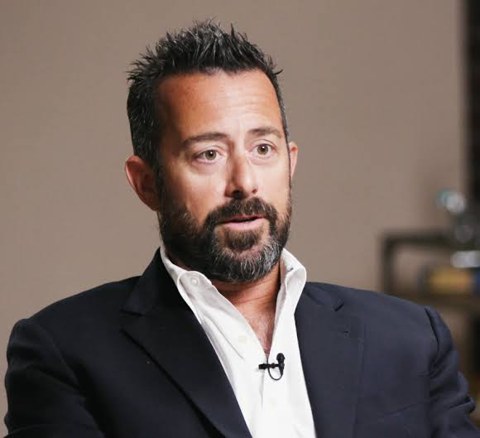
Day’s recurring economic worldview appears strongly macro-commodities oriented and skeptical of fiat currency durability.
Preview how this speaker shows up across market transcripts. Unlock the full archive, AI chat, and the version personalized to your watchlist, followed channels, and favorite speakers.
Jesse Day is the host behind Commodity Culture, focused on commodity-sector investing and interview-driven market commentary. The supplied material shows him repeatedly framing discussions around precious metals, miners, geopolitical shocks, central banks, inflation, and macro liquidity. His role is primarily interviewer/curator rather than originator of the market thesis, and he tends to steer conversations toward practical investor takeaways and sector positioning.
Day’s recurring economic worldview appears strongly macro-commodities oriented and skeptical of fiat currency durability. Across the material, he regularly spotlights gold and silver as monetary hedges, emphasizes central-bank buying, debt stress, inflation, war-related supply shocks, and the idea that paper markets can diverge from physical reality. He seems to favor a worldview where geopolitical risk, currency debasement, and physical scarcity eventually overwhelm short-term price suppression or futures-market narratives. The emphasis is consistently on precious metals, miners, and real-asset protection rather than broad equity-market optimism. Evidence is strong for this general framing, though the transcript set is centered on his show’s commodity coverage, so it may overrepresent that theme relative to his full outlook.
Every analyzed appearance we have for this speaker, newest first. Open any transcript preview to read the underlying transcript.
Preview:Luke Gromen argues the Iran war is partly about defending dollar hegemony, but that it is already failing and may instead accelerate China’s self-sufficiency and the return of gold as a neutral reserve asset. He expects higher oil, higher Treasury dysfunction, eventually higher gold, and thinks U.S. equities remain overvalued in dollars even if they can keep levitating tactically.
Preview:This is an interview with Rua Gold CEO Robert Eford about the pullback in gold, the role of central bank buying, the effect of geopolitical conflict, and Rua Gold’s New Zealand projects. Eford argues the selloff is a healthy correction within a still-strong bull market: fundamentals remain supportive, central banks are accumulating, and gold should keep outperforming inflation over time. He is also constructive on Rua Gold itself, highlighting a fast-track permitting regime in New Zealand, a staged path toward cash flow at Old Creek, and a second, higher-upside exploration target at Glen on the North Island.
Preview:Andy Schectman argues that the silver and gold markets are being distorted by a paper-futures pricing system, while physical demand, central-bank accumulation, and the buildout of alternative Eastern trading hubs are slowly taking over real price discovery. He is bullish on both metals, but especially on silver as a structurally scarce, monetarily relevant critical mineral whose price he thinks is far below its true value.
Preview:A bullish, interview-style discussion on gold, silver, and mining stocks. Both guests argue the recent selloff is largely a war-driven correction rather than a broken bull market, and both frame the current weakness as a buying opportunity—especially in quality producers and developers. Don Durrett leans hardest into a macro thesis that weak U.S. fiscal and bond-market conditions, plus global de-dollarization, make gold the real driver and miners a speculative way to express that view. John Feneck is more tactical: he likes using ETFs for broad exposure, sees silver holding $50 as important, and highlights several development names and U.S. critical mineral plays that he thinks are mispriced.
Preview:Alasdair Macleod argues that silver’s next major move will be driven less by a price target and more by fiat currency debasement, so the practical answer is to accumulate physical metal rather than try to time the trade. He sees China as quietly stockpiling gold, silver, copper and other real assets while helping shape new settlement infrastructure in Hong Kong and elsewhere, all of which he interprets as preparation for a broader fiat-system breakdown. He also ties today’s Middle East tensions to the 1973 oil shock, saying an energy-driven inflation scare could push investors out of cash and credit into gold.
Preview:Eric Yeung discusses three major themes: (1) Silver's drop from $80s to $50s driven by India's May silver import restrictions — a policy he believes could reverse, pushing silver back to $80s quickly and potentially $100+ if gold breaks out. (2) A new Hong Kong gold clearing system (HKPMCC) with JP Morgan and Deutsche Bank signing on, which he sees as China's serious attempt to create a gold hub with 50-70% physical backing vs the LBMA's ~1%, potentially linked to a future "gold Southbound" channel for mainland Chinese capital. (3) The accelerating adoption of China's CHIPS payment system (RMB cross-border), which jumped ~50% in volume since the Iran war, creating an ecosystem where RMB trade surplus gets parked in physical gold rather than US Treasuries — tying directly into the Hong Kong gold hub's strategic purpose.
Preview:Steve Penny argues silver miners are severely undervalued, gold and gold miners are still attractive on longer horizons, and uranium is his highest-conviction commodities idea right now. He thinks the precious-metals complex may stay rangebound and volatile near term, but that fundamentals, cash generation, and eventual retail re-engagement should drive a much larger upside move later.
Preview:Jay Martin argues the world is moving through a cyclical decline of American financial dominance, with U.S. debt funding becoming more fragile as foreign holders are forced to sell Treasuries and even gold to cover energy shocks. He sees the Strait of Hormuz conflict as an accelerant of an existing debt spiral, not a root cause, and says gold/silver miners look attractive even after recent volatility.
Preview:This is a founder interview arguing that e-fuels and synthetic hydrocarbons could become a major long-run energy transition play if the industry can solve the cost problem. Dan Sutton says the key bottleneck is cheap hydrogen, and Syntholene’s thermal hybrid approach using SOECs plus geothermal power and heat is meant to drive hydrogen toward sub-$2/kg, which he thinks could unlock commercial synthetic fuel scale-up.
Preview:James Rickards argues the recent gold pullback is a normal commodities drawdown, not a thesis break, and says his $10,000/oz year-end target remains intact. He links the selloff to a temporary dollar shortage and commodity stress from the Iran/Hormuz disruption, while framing central-bank gold buying as a response to U.S.-led asset seizure risk, not just inflation.
Preview:Iron ore sector interview with Oceanic Iron Ore CEO Chris Battala. He argues that premium high-grade iron ore (65%+) faces an inevitable price increase due to finite supply, while the benchmark 62% Fe price stays stable around $100-110/t. The massive Simandou project merely replaces depleted mines rather than flooding the market. Battala pitches Oceanic's Hopes Advance project in Quebec as uniquely advantaged — tidewater location eliminates rail costs, 66.6% high-purity product, multigenerational mine life, and an experienced management team (Frank Giustra, Steven Dean) with a track record of building and selling billion-dollar mining companies. Trading at 0.1x NAV, a PFS is expected Q4 2026 as the key near-term catalyst.
Preview:G. Edward Griffin, 94-year-old author of *The Creature from Jekyll Island*, argues that a transnational oligarchy of "collectivists" is deliberately destroying existing institutions to impose a digital control system. He believes central banks are hoarding gold because the oligarchy trusts only bullion as a medium of exchange for themselves while wanting the masses to be locked into a trackable digital currency. The interview is framed as a wake-up call about psychological warfare, the distinction between futile "revolts" and organized "revolution," and his thesis that the unifying ideology behind all authoritarian movements — communism, fascism, Nazism — is collectivism. He promotes his Red Pill Expo (July 11-12, Las Vegas) and a free booklet called *The Chasm* as the path to building an organized movement.
Preview:James McDonald, CEO of Coupney Silver, argues silver’s violent pullback is a consolidation inside a still-intact bull market, with a reasonable chance of triple-digit silver before year-end. He says supply deficits, long mine development timelines, central-bank/strategic buying, and silver’s industrial role all support higher prices, while Coupney itself is moving from explorer to developer after a strong PEA on Las Cigera and ongoing resource growth at Colomba.
Preview:Jesse Day interviews Dean Pekeski of American Critical Minerals about potash, lithium, and the company’s Green River project in Utah. The core pitch is that potash is strategically important for food security, domestic U.S. supply is undersized, and the company believes its basin has enough historical evidence to justify an imminent drill program that could unlock potash plus lithium/brine upside.
Preview:Mike McGlone argues that the huge run in gold, silver, and broader commodities earlier in 2026 created a better opportunity to sell than buy. His core view is that commodities are now highly correlated with equities, especially the S&P 500, so if stocks correct, commodities should fall too; he therefore favors U.S. long Treasuries as the cleaner trade.
Preview:Peter Schiff argues that silver has already broken out above long-term resistance and is still in an early bullish phase, with sub-$70 levels viewed as a buying opportunity and a path eventually to $200+ per ounce. He extends the same framework to gold, miners, emerging markets, and resource assets generally, while warning that inflation, deficit monetization, and speculative bubbles in tech/crypto will eventually crack. The interview also turns into a broad critique of Fed policy, SpaceX valuation, and what he calls corruption and propaganda around markets and politics.
Preview:Dave Collum argues the market is in a broad speculative bubble, with SpaceX, AI spending, and policy distortion all signs of a system he thinks is far from fair value. He expects a violent mean reversion over time, but says the path is unknowable and warns against assuming a simple dip-buying opportunity.
Preview:This is a bullish company/interview-style pitch on Lithium Bank and on lithium as a sector. The guests argue that lithium demand is set to re-accelerate, driven increasingly by grid storage and government-led critical-mineral strategy, while their Alberta brine assets offer rare scale, grade, infrastructure, and permitting advantages. The near-term focus is the feasibility study and pilot work for Boardwalk, with SLB technology reducing execution risk and potential completion in the first half of 2027.
Preview:Clive Thompson argues that the long-term bull case for gold and silver remains intact despite near-term volatility tied to war headlines, interest-rate expectations, and stock-market swings. He sees silver as a leveraged precious-metal/industrial hybrid that could benefit from lower real rates, persistent inflation, and rising recycled supply needs, while gold benefits from debt overhang, central-bank diversification, and currency confidence risk. He also gives a contrarian but measured case for select silver miners, small caps, and some Asian/value-oriented equities, while warning that speculative AI and SpaceX-style stories are vulnerable if cash flows fail to catch up.
Preview:The interview argues that uranium is moving from a neglected commodity to a strategic input for U.S. energy security, AI/data-center growth, and defense needs. Janet Lee Sheriff says domestic fuel-cycle capacity, especially New Mexico uranium, will matter more as utilities, Big Tech, and the federal government push nuclear, even though uranium equities still look sleepy and under-owned.
Preview:Ian Everard argues silver is the better monetary asset than gold for a post-fiat, post-digital-control world: he expects a tokenized/stablecoin-based system to expand surveillance and eventually fail, after which silver would function as practical ‘people’s money’ again. He is constructive on silver, bullish on gold as a reserve asset, and very bullish on rare metals like rhenium because of tight supply and hard-to-substitute industrial demand.
Preview:Melody Wright argues that the economy is being held together by manipulated narratives, especially around AI, housing, and official data, while the bond market is flashing real stress. Her core view is that rising rates, worsening delinquencies, inflated property data, gated private credit, and geopolitical noise are all signs that the real economy is deteriorating and the system is increasingly being propped up by fraud, intervention, and optimism bubbles.
Preview:The video argues that Europe’s energy crisis is fundamentally a natural-gas security problem created by decades of dependence on Russian pipeline gas, then worsened by EU policy choices and recent Middle East disruptions. The speaker’s conclusion is that Europe needs more domestically produced natural gas, especially in places like Norway, Hungary, Romania, Germany, and the UK, rather than relying mainly on imported LNG and an aggressive renewable-only transition.
Preview:This interview argues that lithium is in the early stages of a new bull market, driven mainly by EV growth, grid storage demand, and a persistent supply shortfall. The EMP Metals executives say prices have already rebounded sharply, the industry is moving toward strategic-government support in North America, and their Saskatchewan DLE project is positioned to benefit if lithium stays structurally tight.
Preview:Jesse Day interviews Lynette Zang about her view that the current monetary and political system is repeating the preconditions for the Great Depression — but with a worse end state. Zang argues that the original Depression was driven by the transition from gold/silver discipline to fiat and Federal Reserve credit, and she sees today’s stablecoin legalization, central bank money creation, AI surveillance, and corporate influence as the next phase of the same pattern. Her conclusion is that the only durable defense is sound money, especially physical gold and silver, plus local community resilience and barterable necessities.
Preview:Matthew Piepenburg argues the real fault line is the bond market, not the MAG7. He says sovereign debt demand is weakening, yields are rising, and that tighter financing conditions are already pressuring equities, buybacks, private credit, derivatives, and government funding. He sees gold as the clearest beneficiary of this regime shift and says silver should follow with much more upside leverage, potentially reaching $300 quickly.
Preview:Ian Harris argues copper is in a structural bull market driven by a persistent supply deficit, weak mine growth, and surging demand from electrification and AI/data centers. He says recent sharp pullbacks in copper and mining equities are short-term volatility, not a broken thesis, and frames them as potential opportunities for investors who can tolerate risk. He also outlines Copper Giant’s Makoa project in Colombia as increasingly well positioned, citing a large and growing resource, strong infrastructure, and a path toward a PEA and eventual development.
Preview:This is an interview with Fox Tungsten CEO Steven Gray making the case that tungsten is a strategically important, supply-constrained critical mineral and that Fox’s high-grade British Columbia project is positioned to benefit from the metal’s sharp price move. The core pitch is that tungsten prices have surged on China-led supply restrictions and a persistent global deficit, yet junior tungsten equities have not fully caught up. Fox is presenting itself as a near-term development story with strong infrastructure, government support tailwinds, and multiple catalysts from summer drilling to a 2027 resource update and preliminary economic assessment.
Preview:Two commodity-focused portfolio managers argue that gold, silver, oil, and copper still have room to run because the macro regime has shifted toward higher structural inflation, deglobalization, supply scarcity, and persistent central-bank demand for hard assets. They see AI as adding a new layer of commodity demand—especially for power, copper, gas, nuclear, and potentially new tradable “compute” instruments—while also making the case that the old 60/40 portfolio is less effective than a more commodity-heavy allocation.
Preview:Edward Dowd argues the market is in the late stages of a broad bubble, with gold consolidating before a much higher long-term move, equities still vulnerable to a sharp correction, and China/consumer credit weakening beneath the surface. He is constructive on gold over years, cautious on AI-led stocks and energy tactically, and expects a growth scare or liquidity event to expose how concentrated and fragile the current rally is.
Preview:Jon Bay, CEO of Standard Uranium, argues the uranium market is structurally stronger than ever and set up for a major breakout, despite near-term volatility tied to geopolitics. He says long-term uranium pricing is rising, supply remains tight, and new nuclear buildout in China and the U.S. should support demand, while Standard Uranium is positioned to benefit through exploration in the Athabasca Basin and a project-generator model.
Preview:Jesse Day argues that Canada’s problems are structural, not cyclical: weak demographics, a bloated entitlement state, immigration incentives, and a political class he views as self-protecting and corrupt. He thinks the recent backlash around Tim Hortons, temporary foreign workers, and even Dunkin’ Donuts hiring locally is a symptom of deeper frustration, but not enough to reverse the country’s decline soon.
Preview:Doomberg argues the market is dangerously complacent about a renewed Iran war. He says oil has held up because China pre-bought crude and cut imports, but if hostilities restart and Iran follows through on threats to hit regional oil/gas infrastructure, the consequence could be a catastrophic supply shock that overwhelms any China-related buffer. He is much less worried about LNG than oil, thinks Europe is the biggest gas loser, sees Russia benefiting only tactically while Ukraine escalation accelerates, and frames the wider conflict as part of a post-2014 breakdown in the post-WWII order.
Preview:Jordan from Mining Stock Monkey argues that the gold and silver bull market looks mature, but that long-run fiat devaluation still makes hard assets attractive. Near term, he is cautious on most precious-metals stocks because many producers and royalties are already priced for strong cash flow, while his preferred setups are higher-quality royalty names and select copper developers with identifiable catalysts.
Preview:Douglas Macgregor argues the U.S. is strategically trapped in Iran, that further strikes would mainly damage global energy and supply chains rather than force Tehran to capitulate, and that a wider geopolitical realignment is accelerating toward multipolarity led by China, with Russia, Turkey, and possibly Pakistan gaining influence. He also expects the Russia-Ukraine war to move toward a Russian endgame and says U.S. overseas military commitments are unsustainable.
Preview:Francis Hunt argues that silver price discovery is shifting east toward China and Singapore, while rising sovereign yields signal a broader debt-debasement regime that ultimately favors gold and silver. He is bullish on precious metals over the longer run, but near term he expects volatility, possible additional pullbacks, and continued pressure from higher rates, oil shocks, and liquidity stress.
Preview:A Commodity Culture interview centered on helium supply disruptions, helium demand from semiconductors/AI and healthcare, and Alura Energy’s Arizona green-helium assets. The guest argues the Qatar helium outage and the loss of the U.S. helium reserve have tightened a market already constrained by limited production and long lead times for new capacity.
Preview:An interview with KOSA Resources CEO Keith Bodner argues the uranium market is still early in a long bull cycle, supported by tight supply, geopolitical energy-security concerns, and recent drill results at KOSA’s Athabasca Basin projects. The conversation is heavily promotional on KOSA’s discovery potential but grounded in a clear thesis: uranium equities remain volatile, the sector has not fully matured, and upcoming drilling could be a major company catalyst.
Preview:Rick Rule argues silver miners still offer better speculative upside than physical silver, but he frames the choice as portfolio-specific rather than universal. He is also bullish on gold, oil and gas, and uranium over longer horizons, while warning that rising rates and credit stress could create systemic risks.
Preview:Tom Luongo argues that the Iran conflict is less about Israel dictating U.S. policy and more about a broader struggle against old British/French/European financial power, with Trump trying to reroute oil, trade, and capital flows away from historic choke points. He also frames Trump’s China outreach as part of a larger reordering toward a U.S.-centered new world economy.
Preview:John Lee argues that silver, gold, and hard commodities are the only reliable escape from a coming era of tighter social and financial control, while making a very bullish case that CleanTech’s fluorospar assets are strategically positioned for AI power, batteries, and nuclear/industrial demand.
Preview:The video argues that synthetic fuels, especially e-fuels, could become a scalable low-carbon complement to fossil fuels for aviation, shipping, heavy industry, and defense, but only if costs fall and policy support persists. The main near-term obstacle is economics: e-fuels are still far more expensive than conventional fuels, even as subsidies, mandates, and new manufacturing approaches like geothermal-powered hydrogen aim to narrow the gap.
Preview:Sean Fu argues that China’s industrial and strategic demand is the key marginal driver for silver, while gold is being supported by central-bank buying and fiat debasement fears tied to sanctions, deficits, and the Iran war. He is broadly bullish on precious metals, but more on the long-term trend than on a near-term parabolic move.
Preview:Mario Innecco argues that silver and gold are being re-monetized globally as China, India, and parts of the BRICS accumulate metals, while Western policymakers remain fixated on finance and sanctions. He sees this as bullish for precious metals, bearish for the dollar/petrodollar system, and a sign that bond-market stress and geopolitics are accelerating a rotation toward hard assets.
Preview:Eric Yeung argues China is responding to U.S. sanctions on Chinese refiners by accelerating gold-based trade settlement, which he thinks weakens the dollar system over time. He also claims China’s silver imports, Hong Kong physical gold flows, and rare-earth/silver trade dynamics all point to a broader shift toward hard-asset settlement and away from dollar dependence.
Preview:Clive Thompson argues silver and gold remain in a secular bull market, with silver's prior surge above $100 likely to be revisited because of structural supply deficits and rising industrial demand. He is constructive on physical metals, cautious on trading oil directly, and prefers profitable miners with low sustaining costs and gradual, staged entries/exits.
Preview:A gold-focused interview argues that gold is in a new regime: central bank buying, ETF inflows, and de-dollarization are overpowering the old inverse relationship with the dollar and real yields. The guest also pitches One Bullion as a Botswana-based explorer with upcoming drilling catalysts and strong cash liquidity.
Preview:Matthew Piepenburg argues silver remains in a powerful long-term bull setup, with supply deficits, tight physical markets, and paper-market distortions setting up further upside. He is also constructive on gold over the longer run, but says war-related liquidations and leveraged positioning have delayed its breakout while rising sovereign yields and a debt problem could become the bigger macro catalyst.
Preview:The interview argues gold is simply digesting a big run, with central bank buying still underpinning the market and retail participation not yet driving the cycle. It is also bullish silver on structural Chinese supply tightness, and even more bullish on Contango Silver and Gold, which management says is self-funded, high-grade, and set up for major production growth.
Preview:Interview focused on China’s record silver imports, China/Russia gold accumulation, and a broad thesis that fiat currencies are weakening while precious metals and commodities are entering a major upswing.
Preview:An interview on Commodity Culture with Fusion Fuel director John Paul Bwell argues that global energy security has become a core investment theme as Middle East instability exposes single-route supply chains. He pitches Fusion Fuel as a diversified, asset-light energy platform spanning gas utilities, green hydrogen, biomass thermal, and an upcoming uranium royalty portfolio.
Preview:Simon Hunt argues the Iran conflict is likely to escalate after the ceasefire expires, with the U.S. pursuing a broader strategy to preserve hegemony, pressure BRICS, and weaken China. He expects this to be inflationary and disruptive across energy, metals, and global supply chains, with gold and silver benefiting over time and copper initially constrained by supply shocks before a later demand fade.
Preview:Jordan of Mining Stock Monkey argues the U.S. is at high recession risk because of rising consumer credit stress, worsening auto and student loan delinquencies, weak sentiment, and BNPL usage for essentials. He thinks that makes precious-metals royalty/streaming names safer than producers late in a gold bull market, while also flagging copper, iron ore, and West African gold producers as more recession- or sovereign-risk exposed.
Preview:The discussion is a strongly bullish precious-metals interview centered on gold, silver, and mining stocks. The guests argue that the recent selloff was mainly driven by war-related liquidation and that the broader backdrop—geopolitics, high debt, and weak market internals—still supports much higher gold and silver prices, with miners viewed as unusually cheap.
Preview:An interview with Norsemont Mining CEO Mark Levy who argues the Iran-driven pullback in gold and silver is a buying opportunity. He is bullish on higher gold and especially silver prices, says mining equities are most undervalued, and lays out Norsemont’s path to restarting production at its Choco Olympic project in northern Chile.
Preview:Alex Krainer argues the U.S. attack on Iran was strategically reckless, driven by a mix of Israeli influence and Western imperial aims, and that the attempted Hormuz blockade risks global recession and even U.S.-China military escalation.
Preview:Martin Armstrong argues the Iran war is not an isolated event but the start of a wider global breakdown: energy chokepoints, civil unrest, NATO-Russia escalation, and political-system failure. He says Netanyahu drove the conflict for years, Trump underestimated the risks, and the main near-term danger is disruption to the Strait of Hormuz and the wider banking/energy system.
Preview:A Commodity Culture interview with Jesse Day and Ben Elvage argues that the Iran conflict is reinforcing, not weakening, the commodity case: uranium supply-demand tightness, gold’s safe-haven bid, and rare earth/geographic supply risk all support broader physical metals exposure. The conversation also introduces metals.io as a platform for buying tokenized, physically backed exposure to uranium, gold, rare earths, and potentially more metals.
Preview:Sheldon Inwentash argues that precious metals, especially gold and silver, remain in a constructive long-term uptrend despite geopolitical volatility and recent pullbacks. He is more constructive on gold, silver, copper, and select miners than on uranium or oil in the near term, and he also highlights 3D Capital’s early-stage investing in mining, AI, and quantum computing.
Preview:Mark Thornton argues that war-driven supply shocks and weakening confidence in the dollar are pushing precious metals higher, despite a sharp correction in silver and near-term headwinds from higher rates and oil. He remains bullish on silver making new highs in 2026 and sees the U.S. moving closer to a hyperinflationary dollar regime as fiat credibility erodes.
Preview:A bullish uranium interview centered on a structural supply deficit, rising utility and tech demand, and Jaguar Uranium’s South America-focused exploration portfolio in Argentina and Colombia.
Preview:Michael Oliver argues silver has broken into a historic momentum regime and could reach $300-$500 this year, with the move likely to persist. He says war headlines are a distraction, commodities are broadly underpriced versus monetary degradation, and silver miners should outperform gold miners.
Preview:A Commodity Culture interview with Silver 47 CEO Gayen McNamara focused on the recent violent silver rally and why he thinks the metal is in a generational bull market. He argues that silver remains undervalued versus gold, that silver equities have not yet fully caught up, and that Silver 47 offers leverage through US-based high-grade projects, drilling catalysts, and a tailings reprocessing opportunity.
Preview:An interview on Commodity Culture with Sasquatch Resources CEO Peter Smith. Smith argues gold, silver, and copper remain structurally constructive despite near-term volatility, and he pitches Sasquatch’s reclamation-focused model of processing legacy mine waste as a lower-cost, faster-permitted way to produce metals while improving the environment.
Preview:Bob Moriarty argues the Iran war is really about Netanyahu’s survival and alleged blackmail leverage over Trump via Epstein-related files, not Iran’s nuclear program. He says the conflict is already trapped, could escalate catastrophically, and may drive energy disruption, while gold/silver are best viewed as crisis insurance rather than simple trades.
Preview:Interview focused on Melody Wright’s bearish view that the Middle East war is worsening an already fragile U.S. economy, with near-term inflation from energy shocks but a broader deflationary bust ahead. She argues housing, private credit, and the AI-led mega-cap tech complex are all showing stress, while the war and fiscal response may be accelerating a larger regime break.
Preview:Eric Young argues the Iran war is primarily a geopolitical and monetary fight tied to the dollar system, with gold and silver reacting to disrupted oil flows, RMB settlement, and a potential liquidity squeeze. He is constructive on the metals longer term but warns near-term volatility could still force a sharp washout before prices recover.
Preview:Commodity Culture interviews US Gold Mining CEO Tim Smith about gold’s selloff during the Iran conflict, central bank buying, Fed policy, and the company’s Whistler gold-copper project in Alaska. Smith argues the recent weakness is a short-term macro squeeze, while the longer-term bullish gold setup and the company’s development path remain intact.
Preview:Interview focused on uranium supply-demand tightening, U.S. nuclear renaissance, and Vera Energy’s New Mexico ISR projects. The guest argues uncertainty, geopolitics, and deregulation could support uranium prices and equities, while emphasizing jurisdiction, management, and patience.
Preview:The interview centers on Paul Clark’s bullish case for European gas and CanCambria Energy, framed by an Iran/Hormuz escalation that he says is lifting oil and gas prices sharply. He argues Europe’s lack of gas storage and dependence on LNG create a durable need for domestic supply, and he positions CanCambria’s Hungarian project as a near-term production story with attractive fiscal terms and a sizable resource.
Preview:Interview with Lynette Zang arguing that the fiat system is already in collapse, with paper-silver price swings driven by speculation and liquidity needs rather than fundamentals. She sees rising gold and potentially much higher silver as part of a broader transition to sound money, while warning that conflict, debt, and digital controls are accelerating a financial and political “doom loop.”
Preview:Jesse Day interviews Energy X CEO Teague Egan about a bullish lithium setup driven by rising demand, tighter supply, and government support for critical minerals. Egan argues lithium demand is still early in a multi-decade growth trend, with EVs and especially battery energy storage systems underpinning higher consumption, while Energy X aims to be a low-cost DLE producer in the US and Chile.
Preview:Keith Weiner argues the Iran war has not mechanically triggered a gold spike because the immediate market response is dollar-liquidity demand and asset liquidation, not a simple “war = gold up” trade. He says gold remains structurally attractive, silver supply is still tight, the dollar system is still powerful but weakening over time, and only extreme escalation such as nuclear use would likely produce a dramatic repricing.
Preview:An interview on Commodity Culture with Aoko Resource CEO Ian Graham argues that copper is in a strong cyclical upswing and may stay supported for years by tight supply, rising demand, and improving project economics. The discussion centers on Aoko’s Santo Tomas copper project in Mexico, its PEA results, upcoming PFS drilling, funding, and local security/community issues.
Preview:An interview on Commodity Culture with Copper Giant CEO Ian Harris arguing that copper is entering a long-duration bull cycle driven by electrification, AI/data centers, national security, and a looming supply deficit. He says near-term volatility from Iran, oil, tariffs, and stockpiling can move prices, but the bigger story is structural scarcity, declining grades, and a shortage of large near-surface projects.
Preview:Ed Steer argues that silver is in a major short-squeeze setup driven by shrinking COMEX short positions, rising physical demand, and large inventory drawdowns across global exchanges. He also says precious metals, mining equities, and broader markets are being actively managed, and that geopolitical shocks plus oil inflation will eventually force much higher prices.
Preview:Andy Schectman argues silver is still early in a powerful bull move, with war, supply deficits, and delivery stress all reinforcing the case for much higher prices. He is also bullish on gold’s remonetization, wary of gold-backed stablecoins as a CBDC-like bridge, and pessimistic on the US economy and politics if war-driven inflation persists.
Preview:A Commodity Culture interview with Eagle Nuclear Energy CEO Mark Mukija argues the uranium market is already in a structural deficit and may worsen as nuclear buildouts, AI power demand, and U.S. policy support collide. The company’s pitch centers on a large domestic uranium asset in Nevada plus early-stage SMR technology, with a stated plan to de-risk Aurora and eventually bring it into production.
Preview:Interview with Mining Stock Monkey founder Jordan on a simple commodities strategy: buy cheap assets, avoid expensive ones, and focus on quality mining/royalty names with margin of safety. He is constructive on Altius and Royal Gold, cautious on silver and oil after the recent spike, and describes why he sold half of B2Gold.
Preview:Commodity Culture host Jesse Day interviews Johnny Kovacevic on a broadly bullish, highly speculative view of metals and energy transition commodities. The discussion centers on gold, silver, copper, lithium, phosphate, and natural gas, with Kovacevic arguing that electrification, de-dollarization, and selective drill-bit opportunities in juniors are the best ways to play the cycle.
Preview:Marc Faber argues the Iran war is likely to be prolonged, inflationary, and disruptive for markets, with gold and other real assets still attractive as insurance while U.S. stocks and bonds look expensive or weak. He also sees a turning point in emerging markets and warns that political elites, Epstein-related blackmail, and war could be interconnected, though he expects little accountability.
Preview:Interview with Noble Plains Uranium CEO Drew Zimmerman arguing that uranium’s demand is accelerating from nuclear buildout, AI/data centers, and government-backed fuel security while supply remains constrained. The company pitch centers on advancing Wyoming brownfield projects toward compliant resources, with Duck Creek and Shirley Central as near-term catalysts.
Preview:Jesse Day, a VRIC conference moderator, presents a strongly bullish outlook on uranium, arguing the sector remains early in a bull run that began in 2020. He highlights extraordinary supply deficits, production cuts from the two largest producers (Kazatomprom and Cameco), and growing nuclear energy acceptance as catalysts. He also covers silver (bullish long-term on supply deficits but cautious near-term after parabolic run to ~$114) and copper (bullish on developing-world demand, though cautious on electrification narrative). His highest-conviction pick across all timeframes is uranium.
Preview:Edward Dow argues that a broad market break is coming from three converging stress points: a U.S. housing downturn, a cracking AI/tech bubble, and China’s demographic/real estate slowdown. He expects a 40-50% equity drawdown, favors long-duration Treasuries and cash in the near term, and remains constructive on gold and silver over the long run, though he thinks they may need a consolidation first.
Preview:Ian Everard argues that silver is still the stronger precious-metal trade versus gold because of structural supply deficits, rising industrial demand, shrinking retail availability, and tariff-related import disruption. He also frames gold as re-entering the monetary system, warns that CBDCs could tighten financial control, and pitches rhenium as an underappreciated industrial metal tied to jet engines and turbines.
Preview:A Commodity Culture interview with oil analyst Joseph Schachter argues that global energy demand is still early-cycle, inventories are only normal-to-tight, and a mix of geopolitical risk plus underinvestment could push oil back toward and even above prior highs. He is especially bullish natural gas, but warns Canadian heavy oil faces long-term competition from a possible Venezuelan rebound unless export capacity expands.
Preview:Randy Smallwood argues Wheaton Precious Metals is the lower-risk, high-margin way to own precious metals exposure. He says the company’s streaming model avoids mining cost overruns, generates growing cash flow from a diversified portfolio, and is positioned to keep compounding as gold, silver, and copper projects advance.
Preview:Douglas McGregor argues a US strike on Iran is highly likely and would essentially be an Israeli-directed war, while warning that the outcome is uncertain, escalation could draw in Russia/China indirectly, and domestic backlash in the US could be severe. He also ties the discussion to Epstein accountability, de-dollarization, gold’s role as reserve asset, rare earth supply-chain vulnerability, and a broader thesis that Trump lacks a coherent strategy and is steering the US into avoidable conflict.
Preview:A Vancouver conference panel argues silver is in a rare revaluation phase: supply deficits, strategic/national-defense demand, and renewed retail/investment buying are pushing the metal into a parabolic move. The speakers agree the move is volatile and likely unsustainable in a straight line, but they think the fundamental backdrop is strong enough that pullbacks should be bought rather than feared.
Preview:David Hunter argues the market is finishing a consolidation and should continue higher for a few months before a major bust later this year, with small caps and tech still participating. He remains extremely bullish on gold, silver, miners, and commodities into the bust-and-reinflation sequence, while warning that the eventual downside could be historic.
Preview:Former Canadian Defence Minister Harjit Sajjan discusses Trump's Greenland ambitions, NATO cohesion, Canada-China trade diplomacy, critical minerals strategy, and Ukraine war funding at the Vancouver Resource Investment Conference. He argues Trump's Greenland rhetoric is damaging the transatlantic bond but expresses cautious optimism that diplomatic solutions exist. Sajjan defends Canada's defense spending trajectory, praises PM Carney's Davos speech, advocates engaging China on trade while protecting red lines, and insists continued Ukraine support is essential to avoid costlier future conflicts.
Preview:The speaker argues that Canada is becoming less livable and less investable because of rights restrictions, censorship, heavy taxation, rising living costs, weak accountability, and what he sees as institutional corruption. His solution is to build an exit plan: keep or create remote income, diversify residency and citizenship, and relocate to lower-cost jurisdictions such as the Balkans, Southeast Asia, or South America.
Preview:A conversation with Presidio Petroleum co-CEO Will Olrich argues that oil and gas are still structurally underowned and undervalued, with major macro headwinds but strong cash-flow generation. The interview centers on Presidio’s public-market debut, its non-drilling acquisition strategy, and a large dividend model designed to return cash while growing through rollups.
Preview:Doomberg argues that geopolitics is increasingly energy-driven, with Venezuela, Iran, Canada/China, and the EU all framed through oil, power, and industrial capacity. The core view is bearish on oil over the longer run but tactically alert to war-driven spikes, bullish on gold as a reserve asset in a fragmented world, and skeptical that current Western political institutions can course-correct.
Preview:Interview focused on silver’s physical shortage, alleged market structure flaws, and the case for gold/silver as money outside fiat currencies.
Preview:Thomas Lamb argues that the recent sharp silver selloff is a volatile but ultimately healthy correction inside a much larger bull market driven by real supply deficits, industrial demand, and crowded positioning that needed to unwind. He is similarly constructive on gold, but thinks silver, miners, and J2 Metals’ portfolio of exploration projects remain positioned for substantial upside if the broader precious-metals cycle continues.
Preview:Jesse Day interviews Shawn Khunkhun, CEO of Dolly Varden Silver, about the violent silver selloff, why he thinks it was a healthy correction inside a still-intact bull market, and why he believes silver miners are the next major leverage trade. Khunkhun argues the move was driven by technical overbought conditions, CME margin pressure, speculative froth, and a slightly hawkish Fed/dollar signal, while also reiterating his view that silver and gold remain structurally underowned and subject to ongoing suppression/manipulation claims.
Preview:Steve Penny argues silver’s 40% selloff was a healthy correction inside a much larger bull market, not a thesis break. He still sees triple-digit silver, but prefers a staged approach: keep some physical metal as insurance, trim speculative paper positions into strength, and rotate among silver, gold, platinum, uranium, and energy based on relative value and risk.
Preview:Mario Innecco argues the recent silver crash was an engineered paper-market smash, not a thesis change, and says the broader setup still points higher for silver and gold amid debt, geopolitics, and collapsing trust in institutions. He is skeptical of COMEX/CME price discovery, expects continued physical demand, and frames sound money as the only durable escape from a corrupt fiat system.
Preview:This interview is a bullish uranium-sector and F3 Uranium pitch. Sam Hartman argues the uranium bull cycle remains intact because demand for power is rising, supply remains constrained, and near-term AI/data-center and SMR enthusiasm is adding narrative momentum on top of an already-tight market.
Preview:Alasdair Macleod argues that silver and gold are being driven by a breakdown in fiat money rather than normal speculative flows, with China leading the shift into physical metal. He thinks China is preparing a gold-backed international yuan system and may eventually use silver domestically, while U.S. geopolitical overreach and fiscal strain are accelerating dollar weakness.
Preview:James Rickards argues that gold and silver can continue much higher because central-bank buying, constrained mine supply, geopolitical distrust of the dollar system, and market psychology all reinforce each other. He also says Fed independence is mostly a myth, lower rates are coming but likely because of recession pressure, and Trump’s Latin America/China/Iran posture will further support gold.
Preview:Michael Piccioni argues silver is still in the early stages of a major bull market despite already moving sharply to around $114/oz. He says the move is being driven less by retail and more by banks, Asian physical markets, and a possible unwind of paper shorts, while gold’s strength is feeding silver’s catch-up rally.
Preview:This interview argues that gold’s rise is being driven less by normal cyclical forces and more by a secular regime shift: de-dollarization, deglobalization, geopolitics, and institutional buying. The guest also frames junior miners like Dryden Gold as increasingly attractive, but warns the sector is frothy and selective discipline matters.
Preview:Rick Rule argues the silver bull market is real but that physical silver is now less attractive to him than silver miners, where he sees bigger leverage to current prices and more mispriced optionality. He stays broadly bullish on gold, uranium, oil and gas, and especially Canadian oil and gas, but keeps emphasizing that his style is disciplined contrarian investing rather than narrative-chasing.
Preview:Alex Craner argues that Trump’s apparent chaos is a deliberate geopolitical reset: weakening the post-WWII order, separating the U.S. from Europe’s war agenda, and moving toward a multipolar alignment with Russia and China. He ties Venezuela, Iran, Ukraine, Greenland, and Bosnia into one broader struggle against an entrenched Western/European oligarchic system, and ends by saying European bonds, the pound, and the euro may be vulnerable if investors lose confidence.
Preview:James McDonald argues silver’s explosive move is only the start of a multi-year bull market, with higher government/industrial importance, tighter physical supply, and delayed but likely catch-up in silver miners. He uses Coupney Silver’s growing Mexico portfolio to illustrate how rising silver prices can rapidly re-rate explorers and developers.
Preview:Gerald Celente argues 2026 will feature escalating geopolitics, a weaker dollar, more upside in gold and silver, and growing risk of a broad equity-market bust. He frames Iran, Venezuela, Greenland, and Trump’s behavior as symptoms of a larger breakdown in US hegemony, while also promoting his Trends Journal and a bullion sponsor.
Preview:Gary Savage argues silver and gold have entered the final, parabolic phase of a long bull market, with silver possibly hitting $100 within days and, in his extreme scenario, much higher before a sharp bubble collapse. He says banking-cartel suppression is effectively over, rejects imminent dollar collapse or gold-backed money, and warns that the bigger risk is getting trapped by greed near the top rather than missing a structural monetary reset.
Preview:Andy Schectman argues silver’s explosive move is being driven by physical scarcity, unusually large COMEX delivery demand, East-West price dislocations, and tightening supply from China and the LBMA. He says the rally may still see sharp pullbacks, but the bigger thesis is intact because the market is shifting from paper pricing toward real-world ownership and delivery.
Preview:Dave Colum argues the broad market is in an extreme, system-wide valuation bubble and may not crash cleanly, but instead could grind lower through repeated drawdowns and weak real returns over many years. He is more constructive on selected hard assets—especially platinum—and spends substantial time on geopolitics and social decline themes, including Venezuela, Canada, and censorship.
Preview:David Woo argues that 2026 will not repeat gold’s huge 2025 rally because several prior drivers have either broken down or are fading. He thinks the stock market, geopolitics, Tether’s one-off buying, and China-related demand are all less supportive than last year, while Trump’s agenda points more toward lower oil and fiscal support for middle-class consumers than toward a new gold surge.
Preview:Melody Wright argues the U.S. economy is much weaker than headline data suggests, with housing, labor, and consumer demand all deteriorating beneath an AI-driven market narrative. Her central view is that a combination of layoffs, shrinking affordability, rising delinquencies, Medicaid and student-loan headwinds, and widespread fraud in public-private programs will expose how fragile consumption really is in 2026.
Preview:Francis Hunt argues silver is still in a strong bull market, but the price discovery is increasingly happening in Shanghai and the physical market, not the Western paper market. He thinks recent volatility is partly driven by higher COMEX margins and thin holiday liquidity, while the deeper driver is a physical squeeze, East/West pricing divergence, and growing distrust of fiat and futures-based pricing.
Preview:Martin Armstrong argues that 2026 could bring a high-volatility “panic cycle” driven by war escalation, European economic fragility, and capital-control risk. He is strongly bearish on EU leadership, skeptical of any durable Ukraine peace deal, and bullish on precious metals as signals of stress in the monetary system.
Preview:Ian Everard, owner of Arc Silver Gold Osmium, presents a bull thesis on rhenium — an ultra-rare metal produced as a byproduct of a byproduct (~50 tonnes/year globally). He argues demand structurally exceeds supply due to jet engine, military, space, and refinery catalyst uses, that China is aggressively stockpiling it (buying 26 tonnes in 2023 vs. its own usage of 1.8t), and that the US is seeking a strategic stockpile. Price is up ~76% YoY, currently ~$4,400/kg, with no futures market or ETFs. He sees it as the most undervalued metal relative to platinum, silver, and gold.
Preview:Jack Gamble argues silver has already doubled but still has room to run because supply deficits, limited mine growth, and strong monetary demand remain in place, though recycling and a sharper gold-silver ratio mean some caution is warranted. He is much more aggressive on the AI trade, saying the bubble is already breaking, he is short Nvidia, and that the sector is propped up by circular financing, fake revenue optics, and hype rather than durable profitability.
Preview:Bob Moriarty of 321gold.com joins Jesse Day to discuss explosive moves in precious metals. He argues gold, silver, and platinum are controlled by Shanghai and central banks — not COMEX or London — and that the public hasn't entered the market yet (silver DSI only 77 at all-time highs). He sees silver reaching $83-$150/oz, platinum $4,400+, and junior miners going 5-10x. He frames the metals surge as dangerous, implying hyperinflation and financial collapse. The interview also covers the $12T yen carry trade unwind, Epstein/Trump connections, Israeli influence over US politics, and the Ukraine war endgame.
Preview:Copper Giant CEO Ian Harris argues copper is in a structural supply-demand squeeze that gold and silver haven't yet matched — no above-ground inventory buffer, insatiable AI-driven demand, collapsing ore grades, and a bare project pipeline. He walks through his company's Makoa deposit in Colombia (now a 1.1-billion-ton tier-one resource), the path to a PEA by roughly August 2026, and why copper equities are entering a re-rating cycle where the resource itself is more coveted than the metal it can produce.
Preview:Tom Luongo argues the Ukraine peace process, Europe’s use of frozen Russian assets, and a possible shift toward gold-backed U.S. Treasury issuance are all part of a broader U.S. effort to strip London/Brussels of financial leverage and force a break with the old European order. He sees Europe as boxed in: if it continues the war it needs escalating militarization and financial repression; if it accepts peace, its banking model and asset-pledge strategy collapse.
Preview:This is an interview on Commodity Culture with Jesse Day speaking to Sean K. and Rick V. about the pending merger of Dolly Varden Silver and Contango Ore, plus the outlook for gold and silver. The guests argue that higher gold and silver prices are supported by structural supply constraints, growing industrial and strategic demand, and heavy capital / permitting barriers to new mine supply.
Preview:Interview with John Passalacqua, CEO of First Phosphate, discussing the phosphate market, the company's progress toward producing purified phosphoric acid (PPA) for LFP batteries, and its plan to bring a vertically integrated North American LFP supply chain online by 2029. Key themes include phosphate's recent US critical mineral designation, the mismatch between lithium exuberance and phosphate scarcity for LFP, the dominance of stationary energy storage (not EVs) as LFP's primary demand driver, and First Phosphate's milestones including $25M raised, world-first fully North American critical-mineral LFP battery production, and a second wharf at Port Saguenay adjacent to their planned facility.
Preview:This interview argues that gold and silver still have room to run, but the more actionable upside may now be in battery-related metals, especially lithium and phosphate. Johnny Kovacevic frames the setup as a long-duration de-dollarization and electrification trend, with his preferred expression being speculative equities tied to better geology, lower-cost extraction, and upcoming feasibility milestones.
Preview:An interview on Commodity Culture with Harbor Capital’s Kristoff Gl and Quantics’ Don Casuro argues that gold’s bull market is still early, driven by de-dollarization, weakening Fed credibility, lower real rates, and a potentially dovish 2026 Fed setup. They are similarly constructive on silver, copper, and select commodities, while warning that silver is far more volatile and harder to own tactically than gold.
Preview:Peter Schiff argues silver and gold are entering a much higher secular leg, with $100 silver and $5,000–$6,000 gold plausible in 2026, driven by renewed Fed balance-sheet expansion, rising inflation, weaker confidence in U.S. fiscal/monetary stewardship, and a potential dollar/sovereign-debt crisis. He is also strongly bearish on Fed independence, skeptical of mainstream media coverage, and very negative on Bitcoin relative to gold.
Preview:Lynette Zang argues silver’s move above $60 is not just a cyclical rally but evidence that long-suppressed physical supply is finally overpowering paper pricing. She says the silver market is in a historic short squeeze, that manipulation is breaking, and that four-digit silver is plausible if the monetary system continues shifting from paper claims back to physical settlement and price discovery.
Preview:This interview argues nickel is setting up for a potentially stronger cycle after a long bottoming phase, with Lifezone Metals presented as a strategically important, low-cost new source of supply outside Indonesia/China control. The guest emphasizes Indonesia’s dominance of production and processing, Western supply-chain anxiety, and Kabanga’s economics, financing progress, and possible government support as the main catalysts.
Preview:Keith Weiner argues silver just experienced an unusual backwardation episode that signals real market tightness and renewed monetary demand, especially from India and other non-Western buyers. He extends that view into a broader thesis: gold and silver are still monetary metals, the West badly misunderstands them, and the current fiat/low-rate system is pushing finance toward speculation and eventual instability.
Preview:This is a bullish, company-specific interview with Niop CEO Mark Smith arguing that niobium, scandium, titanium, and magnetic rare earths are strategically essential to U.S. defense, industrial manufacturing, and GDP. The core pitch is that Niop’s Elk Creek project in Nebraska is unusually de-risked because permits are in hand, metallurgy has been demonstrated, federal support is already in place, and financing is close.
Preview:John Feneck argues silver is still early-to-mid cycle despite hitting roughly $58/oz, and he remains fully invested rather than taking profits. He thinks the next Fed cut, weaker payroll data, and ongoing macro uncertainty should keep supporting precious metals, while the bigger risk is a broad-market correction that could create volatility across miners before the sector resumes higher.
Preview:Clive Thompson argues silver is in a fundamentals-driven bull market that is still early, but the move is likely to become more violent and pullback-prone after breaking to around $57/oz. He is similarly constructive on silver miners, gold, and gold as protection against debt, dollar weaponization, and the coming digital euro, while warning that AI-heavy equities look overpriced and vulnerable to psychology-driven unwinds.
Preview:Jesse Day interviews Roger Late, CEO of Homeland Uranium, for a year-end review of the uranium sector in 2025. Late characterizes the market as moving at "hyperspeed" following Trump's pro-nuclear push, the AI/SMR narrative, and ongoing Russia-Ukraine supply uncertainty. He argues the US structural supply deficit is the core bull case — AI and SMRs are "icing on the cake." Homeland Uranium has commenced drilling at Coyote Basin with a second project (Skull Creek) coming online in spring 2026. Late positions Homeland as a potential multi-million-pound domestic producer, emphasizing jurisdiction (US), team depth, and a favorable permitting environment under the current administration.
Preview:Steve Penny is very bullish on silver, arguing it has just broken into new all-time highs and may be entering the early-to-middle stage of a powerful move that could end in a parabolic blowoff, potentially into triple digits. He is also constructive on gold, uranium, and platinum, but says silver offers the best current risk/reward within precious metals, while gold remains the most mature and platinum/uranium offer more selective upside.
Preview:Jesse Day interviews Mark Henderson, CEO of Laramide Resources, about the uranium market and Laramide’s development portfolio. Henderson argues uranium is in the strongest civilian nuclear bull market ever, driven by rising reactor demand, AI-linked load growth, SMRs, and persistent supply deficits, with policy support from the Trump administration and likely further upside if a strategic uranium reserve or Western Australian policy reversal materializes.
Preview:Alex Krainer argues that the leaked Trump Ukraine peace framework is serious, strategically important, and potentially able to halt Europe’s drift toward a wider war with Russia. He says the plan’s key value is forcing hard commitments on NATO non-expansion, Russian non-expansion westward, and a new European security framework, while also using corruption pressure inside Ukraine to push acceptance. He is similarly skeptical of the EU’s war messaging, Israel’s propaganda effort, and renewed lockdown talk, framing all three as symptoms of elite systems under stress.
Preview:Ian Everard argues silver is becoming physically tighter while crypto and AI look increasingly crowded and fragile. He says dealer inventories and wholesale premiums are rising, LBMA delivery stress matters, and any correction in tech or crypto could help drive the next leg of the gold-silver bull market.
Preview:Guy Le Bel, CEO of 29 Metal Corp, argues copper is in a long bull cycle driven by electrification, AI/data-center demand, declining ore grades, slower discovery, permitting delays, geopolitical risk, and dollar debasement. He says near-term price swings are noise, but he is very bullish over the next 10 years, especially if copper stays around the $5/lb incentive level that unlocks more supply.
Preview:Eric Young argues that silver is entering a new monetary role: central banks, BRICS states, and China-linked institutions are increasingly treating physical silver as collateral, while LBMA inventories remain stressed and potentially near zero free float. The interview ties this to broader de-dollarization, alternative payment rails, and a more fragmented global monetary system where gold and silver regain reserve-like functions.
Preview:Interview with Brad Kitchen, CEO of Element One Hydrogen and Critical Minerals, a micro-cap (~$5M market cap) Canadian company pursuing three forms of natural (geologic) hydrogen: accumulation drilling (like traditional O&G), extraction from old oil/gas wells, and proprietary "stimulated hydrogen" technology developed with Columbia University that extracts hydrogen from ultramafic rocks — with nickel and other critical minerals as a potentially larger byproduct revenue stream. Kitchen claims production costs of $0.50-0.70/kg hydrogen vs $7.80/kg for green hydrogen, positioning natural hydrogen as cheaper and cleaner. The company has tight insider ownership (~80%), plans to raise $4-5M in 3-4 months and $20M by end-2026, and targets a $20-40M market cap by March 2026. This is a promotional CEO interview with limited independent verification of the technology claims.
Preview:Gary Savage argues the precious-metals suppression regime has broken, with silver near a decisive breakout above $50 and gold already in a late-stage bull phase. He thinks the current correction is likely normal, but says the next 12-18 months could still produce extreme upside: roughly $100 silver in 2026 and at least $10,000 gold, with the best gains coming if the market stays in a ‘wall of worry’ correction pattern rather than going fully manic immediately.
Preview:Peter Cashion argues gold and copper remain in strong uptrends because of central-bank buying, geopolitics, inflation concerns, and structural supply shortfalls. He says gold may be entering a “new normal” around $4,000–$4,500, while copper’s shortages and demand from electrification, defense, and AI infrastructure support higher prices and better economics for miners and explorers.
Preview:Mark Thornton argues silver’s recent surge is being driven by a mix of stable industrial demand, tighter byproduct supply, and a wave of investor interest, with U.S. critical-mineral status adding a bullish policy tailwind. He is similarly constructive on gold, saying central bank buying and fiat-currency instability are the core drivers, and he extends that view into a broader Austrian critique of fiat money, debt, war, and social decay.
Preview:Jesse Day interviews Deepak Varsn, CEO of Formation Metals, about gold’s surge, fiat credibility, and why he thinks the gold-mining sector still looks undervalued. Varsn argues the key drivers are a weaker U.S. dollar, rising debt/deficits, de-dollarization, and a broader loss of confidence in fiat systems, all of which he says should keep supporting gold higher and make quality miners more attractive.
Preview:Andy Schectman argues silver has reached a tipping point: tight physical supply, stressed exchange inventories, and official recognition as a critical mineral could trigger an outsized price move. He is similarly bullish on gold, which he sees as being revalued by central-bank buying, de-dollarization, and policy efforts to devalue the dollar and support U.S. manufacturing.
Preview:Michael Oliver argues his silver thesis has dramatically re-rated: he no longer thinks in terms of $60-$70, and now sees $100-$200 silver within the next couple quarters if key momentum levels break. He extends the bullish case to silver miners, gold miners, the broader commodity complex, and eventually oil and agriculture, while remaining bearish on the S&P 500/Nasdaq over the longer run because momentum has rolled over even though price is still near highs.
Preview:Martin Armstrong presents a deeply controversial geopolitics-focused interview, arguing that the Russia-Ukraine war is driven by neoconservative forces in Washington and the EU who seek Russia's destruction. He claims Ukraine has deep Nazi historical roots, that the war was provoked by NATO expansion, and that Europe's push for war stems from its imminent economic collapse. Armstrong outlines a backchannel-sanctioned peace plan centered on honoring the Minsk agreement, joint US-Russia rare-earth mining, and the Roman free-trade model as the path to lasting peace. He warns that Tomahawk missile provision risks nuclear escalation. Little traditional market analysis is presented; the conversation is almost entirely geopolitical.
Preview:This interview argues that coal demand is still rising globally and that the energy transition has moved too fast for current grid needs. The guest says coal remains essential for power, steel, and industrial growth, and that Core Natural Resources is positioned to benefit through export capacity, domestic policy tailwinds, and coal-linked innovation businesses.
Preview:Jesse Day interviews Copper Giant CEO Ian Harris about the copper market and his company’s flagship Makoa project in Colombia. Harris argues copper is entering a multi-year supply squeeze driven by electrification, AI/data centers, EVs, and underinvestment in new mines, while recent disruptions like Grasberg and Cobre Panama tighten the market further. He says Copper Giant is positioned to benefit because Makoa is near-surface, infrastructure-rich, and advancing through drilling, metallurgy, community consultation, and a resource update.
Preview:Clem Chambers argues the broad equity market, especially the NASDAQ, is in the early stages of a bubble driven by policy intervention, money creation, and the concentration of gains in big tech. He is bullish on gold as a war asset and says a hot U.S.-China conflict, especially around Taiwan, is the main catalyst that could send gold toward $8,000–$10,000 an ounce. He also says AI is a real, epoch-changing technology, with the U.S. advantaged because English is cheaper to model than Chinese, while Europe is strategically behind and being pulled into rearmament and information war dynamics.
Preview:Alasdair Macleod argues the recent gold and silver pullback is noise inside a much larger fiat-currency and credit-bubble breakdown. He says the only reason to own gold and silver is that they are money with no counterparty risk, while the real problem is the destruction of purchasing power in fiat currencies and the buildup of unproductive debt.
Preview:Edward Dowd argues that the broad US equity market is being held up by an AI-led bubble even as bonds, credit, housing, and parts of the economy are rolling over. He thinks the next phase is not a systemic collapse but a quick repricing in stocks, a recession trade, lower rates, weaker oil, and a continued gold bull market after a multi-month consolidation.
Preview:Jesse Day interviews Ian Everard about the explosive move in precious metals, with the bulk of the conversation centered on silver’s tight physical market, soaring retail premiums, and the belief that the metal is moving toward “unobtanium.” Everard argues silver still has stronger fundamentals than gold, says shortages at the LBMA and at retail outlets are real enough to keep premiums rising, and thinks industrial demand plus investor fear of counterparty risk can drive a further squeeze.
Preview:Alan Seette, CEO of Makotes Metals, presents a structurally bullish copper thesis driven by three demand waves: electrification, AI data-center power consumption, and developing-world growth (especially Africa). He argues supply is constrained by depletion, disasters, social unrest, and decade-plus timelines for new mines. The interview also serves as a pitch for Makotes Metals, whose project sits adjacent to Filo del Sol — the largest copper discovery in 30 years — in the Vicuña district of Argentina/Chile. Drilling is imminent, funded by a ~C$25M treasury with no debt.
Preview:Dave Colum argues the market is in a complacency bubble rather than a normal correction, with AI/megacap tech valuations and capital spending looking fundamentally unsound. He also sees gold, silver, and other hard assets as flashing a warning that something is breaking underneath the surface, though he is not sure whether that leads to a sharp reset or a further explosive move higher.
Preview:Lobo Tiggre argues silver’s move above $50 is different from prior spikes because it is being driven by a real physical squeeze in London, not just sentiment or a speculative retail mania. He remains bullish on silver, gold, copper, and uranium, but he is not aggressively buying the stocks right now because many names are already near highs and he prefers to wait for better entries or use trailing stops to protect gains.
Preview:Thomas Lamb argues uranium’s bull case is strengthening because structural supply deficits, US policy support, and rising electricity demand from AI/data centers are converging. He thinks the market has been slow to “let gravity take hold,” but says longer-term contracting prices, domestic sourcing pressure, and a likely critical-mineral policy shift should keep the sector firm.
Preview:Josh Young argues that oil is setting up for an upside surprise: despite tariff shocks, rising OPEC+ volumes, and weak sentiment, he thinks the market is already discounting a lot of bad news and may be underpricing tighter physical balances, supply disruptions, and a coming demand wedge from mining activity tied to the metals bull market. He is also bullish on natural gas, especially from AI data centers, but says weather still dominates the spot price in the near term.
Preview:This interview is a strongly bullish gold-and-silver conversation anchored by Mark Levy, CEO of Norsemont Mining. Levy argues the gold bull market is still in an early adoption phase, driven by central-bank buying, ETF inflows, lower-rate expectations, currency stress, and broad geopolitical uncertainty; he sees mainstream institutions only beginning to catch up, and he now leans to about $4,500 gold next year and $5,000 the year after, with Goldman’s $4,900 Q2 2026 target validating the trend. He is less aggressive on silver than some bulls, preferring around $60 next year rather than $100. The second half turns into a company pitch for Norsemont’s Choco Limpe project in Chile: a former producer with infrastructure, a large drilled database, a stockpile path to production, and exploration upside that he believes can grow the resource materially.
Preview:Jay Martin argues the macro backdrop is increasingly supportive of gold and select hard assets because geopolitics are fragmenting, states are intervening more directly in commodity markets, and the U.S. dollar-centered order is becoming less predictable. He is constructive on gold and silver, cautious but positive on miners after a huge run, and especially bullish on nickel over a 3-5 year horizon.
Preview:This is a host-and-guest interview with Commodity Culture's Jesse Day and Simon Clark of American Critical Minerals. The conversation argues that lithium is recovering from a deep bust, U.S. policy is now treating lithium and potash as strategic inputs, and Clark's company is positioned to benefit because its Paradox Basin project targets both potash and lithium, with bromine as a possible byproduct upside.
Preview:David Hunter argues the U.S. stock market is in the late, parabolic stage of a 43-year secular bull market, with a final melt-up still ahead before a severe bust. He is sharply bullish on gold, silver, and miners in the near term, while expecting a post-bust commodity supercycle led by inflation, weak currencies, and higher real-world commodity demand.
Preview:Gerald Celente argues that escalating geopolitics, censorship, and financial distortion are all part of a broader breakdown in U.S.-led order. His core market call is that gold can still run much higher — potentially to $10,000/oz — while silver and Bitcoin also benefit from distrust in fiat money, even as he warns that the same environment raises the risk of war, repression, and “nuclear annihilation.”
Preview:A Commodity Culture interview with Dryden Gold CEO Trey Wasser argues that gold’s move is secular, not cyclical, and that a cluster of structural forces—central bank buying, de-dollarization, tokenization, geopolitics, debt, and changing bank behavior—support higher prices. The discussion also covers why major banks are turning bullish on gold, how gold is being accepted as collateral, and Dryden Gold’s drilling plans and shareholder base.
Preview:Simon Hunt of Simon Hunt Strategic Services paints a dark geopolitical picture: he argues the recent Pentagon meeting of 800 generals was a decoy, with real planning happening behind the scenes for a joint US-Israel strike on Iran within six months. He also sees an imminent US-backed regime-change attempt in Venezuela (for oil), a potential NATO-Russia escalation in Ukraine, and a fragile global financial system. On markets: gold is in early stages of a secular bull, potentially $8,000 by 2028 driven by BRICS gold-backing for trade settlement; copper is fundamentally in surplus now and overbought, likely heading to ~$7,000 before any inflation-driven bull to $14,000 by H2 2027, followed by a crash.
Preview:This is a bullish uranium interview centered on structural supply tightness, rising nuclear demand, and the launch of XU308, a tokenized physical-uranium product. The guest argues that demand is being lifted by AI, decarbonization, reactor builds, and policy shifts, while supply is constrained by underinvestment, Kazatomprom cuts, enrichment bottlenecks, and Russia-related disruption.
Preview:James Rickards argues the gold rally is still early and could ultimately reach $23,000, driven by central bank buying, flat mine supply, and gold’s role as a broad hedge against inflation, deflation, unrest, and crisis. He is also constructive on silver, sees it as a lagging but faster-moving monetary metal, and uses the rest of the interview to argue that the biggest threats to the U.S. are internal political/operational failures and a Ukraine policy that he believes is strategically misguided.
Preview:Shawn Khunkhun argues silver is still early in a powerful bull market despite the recent move to about $43.70. His core case is that gold is leading, silver is only beginning to catch up, the silver-to-gold ratio is still around 85:1, and both physical silver and silver miners remain deeply undervalued relative to broader assets and historical norms.
Preview:Doomberg argues that energy geopolitics is shifting fast: he expects a kinetic U.S. conflict with Venezuela, sees Russia’s gas deal with China as a major blow to Europe, thinks U.S. shale is not in secular decline, and says solar-heavy grids and ESG politics are colliding with physical realities. He is bullish on gold as a neutral reserve asset and thinks U.S. nuclear fuel bottlenecks are solvable, while treating silver as a secondary speculation.
Preview:Bob Moriarty, founder of 321gold.com, delivers an apocalyptic macro thesis: the fiat currency system that began with Nixon's 1971 gold window closure is in its terminal phase. He predicts a financial collapse within "weeks, not years" — before end of October 2025 — citing Nepal's government collapse, French riots, the Charlie Kirk assassination, and a "worldwide revolution" he first predicted in 2016. He is extremely bullish on gold and silver as insurance against the accelerating collapse, with gold recently hitting new all-time highs above $3,700. He sees enormous leverage in hated gold junior miners and believes the public hasn't even begun participating yet. The conversation spans free speech crackdowns, US civil war risk, immigration's root causes in endless Middle Eastern wars, the demographic time bomb, and Trump's meme coin as an "End of Empire" marker.
Preview:This interview argues that gold is not just in a cyclical rally but in a structural revaluation as money, driven by persistent inflation, record debt, dollar distrust, central-bank buying, and geopolitical de-dollarization. The guest also makes a case that gold miners — and especially juniors — still have substantial upside because the sector is early, under-owned, and levered to gold prices, then uses Kirkland Lake Discoveries as an example of a discovery-stage exploration story with upcoming assay and survey catalysts.
Preview:Danielle DiMartino Booth argues that the market is still being held up by passive flows, momentum, and speculative AI spending, but that weakening labor data, demographic headwinds, and tighter credit conditions are laying the groundwork for a major correction. She is constructive on gold as a hedge, skeptical that small Fed cuts will materially fix the economy, and broadly negative on private credit, housing, and government involvement in Intel.
Preview:Michael Pento argues the U.S. economy is already weak, stuck in stagflation, and headed for a worse downturn that could culminate in a 30–50% stock-market drop. He ties the outlook to negative immigration, inflation eroding the middle class, frozen housing, rising delinquencies, and what he sees as dangerous Fed rate cuts into inflation.
Preview:John Feneck argues the precious-metals bull market is well underway, but the mining equities run is only in its early innings relative to their long-term highs. He is constructive on gold, silver, select miners, and several specialty commodities like tungsten, while warning the broad market—especially tech and small-cap indices—looks stretched and vulnerable to a correction.
Preview:Peter Grandich argues that gold’s breakout is only the start, silver is finally regaining momentum, copper remains structurally bullish, uranium still has a constructive supply-demand backdrop but should be approached with selectivity, and the broad U.S. equity market is now at meaningful crash risk.
Preview:Peter Schiff argues gold’s breakout above $3,600 is the start of a much larger cycle, with a $12,000 minimum target based on repeating gold’s prior sixfold advance from the 2001–2011 bull market. He says weak labor data, persistent inflation, Fed rate cuts, dollar weakness, and foreign central-bank gold buying all reinforce the move, while miners remain underowned and still cheap relative to the metal.
Preview:Jordan Roy-Byrne argues we are at the start of a new secular bull market in gold, silver, and miners, not a replay of 2008. He bases that on long-term chart breakouts, a secular bear in bonds, and capital rotation patterns that resemble the mid-1960s and early 2000s more than the pre-2008 setup. He is especially bullish on silver’s eventual upside, the miners’ profitability, and select juniors/developers, while calling government gold revaluation mostly noise.
Preview:The episode argues that gold is being structurally supported by Basel III, stablecoin/crypto adoption, falling real-world trust in fiat, and a Fed pivot that could create stagflation. Guest Trey Waser also pitches Dryden Gold as a rapidly advancing exploration story with multiple new stacked high-grade targets, strong infrastructure, and a near-term catalyst-rich drill program.
Preview:Lynette Zang argues that gold and silver are nearing major breakouts, with silver especially still far below its “true” value in a system she says is increasingly distorted by derivatives, debt, and fiat money. She ties recent policy moves like the Genius Act, stablecoin legalization, and possible Fed gold revaluation to a broader regime shift toward hyperinflation, financial control, and the eventual need for sound money backed by redeemable physical gold and silver.
Preview:Eric Young argues that gold and silver are being remonetized as strategic assets, with the U.S., China, Saudi Arabia, Vietnam, and others all showing signs of competing for physical metal. He sees the silver critical-mineral designation, China’s offshore vault plans, a large GLD block trade, and new gold access in China/Vietnam as connected symptoms of a bigger shift away from a dollar-centered system.
Preview:Gary Savage argues that bullion banks are losing control of gold and silver, with silver still fighting through the $37–$40 area and likely heading first to $50, then potentially much higher later in the cycle. He sees gold’s suppression as already broken, expects the next leg toward roughly $4,000–$4,300 this year, and thinks the longer-term parabolic top could ultimately reach $10,000 an ounce before the cycle ends.
Preview:Brad Ror (CEO) and Thomas Mumford (President) of Scotty Resources discuss their macro gold thesis — central bank buying, BRICS gold-for-oil trade, petrodollar erosion, and potential US gold revaluation — and then detail Scotty's Golden Triangle DSO project. Brad sees gold in early innings, expects rate cuts to fuel further gains, and believes gold equities (GDX/GDXJ) are just starting to catch up. The company is drilling 25-30k meters, completing a 10,000-ton bulk sample, and releasing a PEA in October 2025.
Preview:Jesse Day interviews Silver 47 CEO Gayen McNamera about the silver market and his company’s American silver projects. McNamera argues silver is in the early innings of a bull market because industrial demand from solar, EVs, AI-related grid buildout, and investor allocation is rising faster than supply, while high-grade deposits are hard to find. He also says silver miners may be approaching a breakout and that Silver 47 is positioned to benefit through drilling, resource growth, and possible M&A.
Preview:Michael Oliver argues silver has already started a powerful breakout phase and could move to $60-$70 by year-end, with miners and related precious-metals equities leading. He also says the broader stock market is topping, Bitcoin may be the most vulnerable crash candidate, and the next major beneficiary of any unwind will be gold, silver, and miners.
Preview:Jesse Day interviews Peter Akerly, CEO of Erdine Resource Development, about the gold market and his company's near-term gold production in Mongolia. Akerly argues gold is in a "perfect storm" driven by central bank de-dollarization (especially BRICS nations), expected Fed rate cuts, tariff-driven inflation, and slowing economic growth. He sees gold equities in a major bull market with the best risk-reward now in junior developers. The conversation then pivots to Erdine's Bayan Hundi gold mine, on track for first gold pour by September 2025, with high-grade open-pit ore, strong Mongolian government relationships, and a partner (MMC) providing operational muscle.
Preview:Rick Rule argues the broad precious-metals bull market is real but increasingly crowded, with gold revaluation chatter mostly a short-lived narrative. He remains constructive on gold, silver, uranium, and oil-and-gas, but repeatedly says the best money is in high-quality producers and select developers, not the most speculative names.
Preview:Jesse Day interviews James McDonald, CEO of Coupney Silver, who argues silver is in a new structural breakout that will carry it through the old nominal high (~$50) and eventually challenge the inflation-adjusted high. He ties the move to fiat debasement, government debt, central bank buying (Russia), and a physical supply squeeze, while highlighting the leverage in silver miners and pitching his company's 214M oz AgEq resource and ongoing drill program at the Colomba discovery in Mexico.
Preview:This interview argues that the Genius Act is both a financial innovation and a surveillance tool, but Vince Lanci sees the main practical effect as helping create new Treasury demand and easing funding pressure. He is strongly bullish gold on a structural basis, saying a revaluation of official gold reserves is realistic and eventually necessary to help deal with debt, central-bank balance sheets, and de-dollarization. He is even more emphatic on silver, arguing the market is tightening, institutional buying is arriving, and a move to much higher prices is plausible, though not necessarily in a clean or gradual way.
Preview:This interview argues that tungsten is an underappreciated but strategically critical metal, with demand rising from defense, aerospace, nuclear, industrial, and energy-transition uses while supply is heavily concentrated in China. The guest, Ali, says American Tungsten’s Idaho asset could become a faster-to-permit domestic source because it is a past-producing, private/patented, high-grade project above the water table, and he frames 2025–2026 catalysts around rehab, drilling, a compliant resource update, and potential exchange uplisting.
Preview:Clem Chambers argues the market is being propped up by liquidity and policy intervention, while tariffs, geopolitics, and a weakening dollar create a more volatile, inflationary setup. He stays broadly bullish on hard assets—especially gold, silver, platinum, and palladium—and says AI-driven energy demand will explode rather than merely rise, making energy and related commodities strategically important.
Preview:Nick Appleyard, CEO of Tristar Gold, discusses the macro drivers behind gold's bull market — central bank buying at record levels, geopolitical uncertainty, and fiat currency degradation — before pivoting to the thesis that gold miners (particularly juniors) are finally catching up to the metal's price. The core pitch is Tristar Gold's Castello de Sonhos project in Brazil: a permitted 1.4M oz gold development asset with a 40% IRR at conservative $2,200 gold, now funded by a recent $10M raise (with Eric Sprott as a major new shareholder) and heading toward a feasibility study and potential partnership/M&A.
Preview:Alex Krainer argues that Western digital ID and age-verification systems are part of a broader control architecture, but he doubts they will spread uniformly and thinks resistance will vary by country. The bulk of the conversation focuses on his view that the EU has suffered three self-inflicted diplomatic and trade disasters, and that the bloc is losing legitimacy and negotiating power fast.
Preview:An interview on Commodity Culture with Al Kruchi, CEO of San Lorenzo Gold, focused on why gold and copper may have durable upside and how his Chilean exploration company fits that backdrop. Kruchi argues gold is still mid-cycle or even earlier than many think, with central bank buying, ETF/physical demand, and worsening debt dynamics all reinforcing the trend. On copper, he sees the tariff headline as a short-term distortion rather than a change in the long-term supply-demand setup, with electrification, AI/data centers, and infrastructure driving demand.
Preview:A monologue presenting osmium as a strategic precious metal with potential catalytic demand from quantum computing, medicine, and defense. The speaker argues osmium's unique properties — extreme density, spin-orbit coupling, potential superconductivity — position it as "the silicon of the quantum age." Supply is described as vanishingly scarce (~17 cubic meters in the Earth's crust, a few kg/year extractable). The thesis: if quantum computing applications scale, osmium supply-demand dynamics could produce parabolic price moves. The video blends genuine scientific references with heavy promotional framing for crystalline osmium as a tangible investment.
Preview:Francis Hunt argues that gold and silver may be entering a late-stage, crowded bullish phase rather than an obvious continuation higher, and he warns that a broader August–October risk-off event could hit everything, including precious metals. He frames recent market moves, the US–EU trade deal, and the political backdrop as theater masking a deeper move toward centralized control, tighter surveillance, and eventual economic disruption.
Preview:John Lee argues that the current commodity upswing is being driven less by inflation or geopolitics than by a loss of confidence in fiat money and a broad, centrally supported revaluation of hard assets. He stays very bullish on gold and silver, but the main investment pitch is that Clean Tech Venadium’s U.S.-based vanadium and fluorspar projects are exposed to critical-mineral demand that cannot be printed.
Preview:Martin Armstrong argues the Ukraine war is being pushed toward direct NATO involvement, with Western elites and neocons using Trump, sanctions, and proxy-war logic to escalate rather than negotiate. He says a 250,000-troop NATO deployment into Ukraine is being discussed, warns war is becoming a contagion across regions, and ties today’s conflicts to historical cycles, cultural conflict, and repeated policy failures.
Preview:Jesse Day interviews Dryen Gold CEO Trey Waser about Basel III, stablecoins, and recent developments that he argues could channel new demand into gold. Waser’s core thesis is that gold’s official treatment is improving at the same time stablecoin growth, Tether’s treasury/gold moves, and bank reserve changes could create a large new buyer base for physical gold and gold-backed products.
Preview:Tom Luongo argues that modern geopolitics is still being steered by old British networks centered on London, not just by the U.S. or the visible leaders of the day. He is bullish on Trump as someone trying to unwind that system, skeptical of the Epstein-driven attacks on the administration, and strongly bearish on the EU’s durability, which he says is moving toward controlled demolition through debt, centralization, and digital currency plans.
Preview:Jesse Day interviews John Deloo, CEO of Abotibby Metals, about why he thinks gold, silver, copper, and mining equities are still in the early innings of a multi-year bull market. Deloo’s core thesis is that record debt, persistent inflation, central-bank gold buying, geopolitical tension, and rate-cut pressure all support hard assets, while miners still have room to rerate because sector ownership remains low and cash flows are expanding.
Preview:Mario Innecco argues that the silver market is tightening because COMEX physical inventories are at record lows, SLV borrow costs are spiking, and more investors may be trying to force delivery of real metal rather than hold paper claims. He extends that thesis into a broader critique of fiat systems, tariffs, sanctions, and government debt, saying the real story is an increasingly fragile credit structure being propped up by policy and paper markets.
Preview:Jeff Wilson, CEO of Precipitate Gold, discusses the macro case for gold — driven by central bank buying, dollar uncertainty, and geopolitical tensions — then presents his junior explorer as a leveraged way to play the emerging gold equity bull market, with a focus on the Dominican Republic and the company's Yanda de Herrera project adjacent to GoldQuest.
Preview:Marc Faber argues the US is on an accelerating path toward debt default under Trump, making precious metals essential. He sees Trump as erratic and untrustworthy — a "gift from God for precious metals holders." Faber is particularly bullish on silver and platinum relative to gold, citing historically extreme ratios and platinum's recent technical breakout. He also predicts Western democracies will slide into authoritarianism, dismisses the Russia-Ukraine war as a NATO-provoked distraction, and views BRICS as a genuine challenge to US hegemony.
Preview:Ian Everard argues silver is the better precious-metals trade than gold because supply is tighter, physical demand is rising, and paper-market suppression may be losing force. He sees gold as comparatively abundant and possibly a distraction, expects silver to reprice much higher, and frames private physical ownership as the safest response to fiat debasement and financial-system weakness.
Preview:Alasdair Macleod argues the world is in the late stage of a fiat-currency collapse, with gold and silver acting as the market's warning signal rather than the metals themselves simply 'rising.' He is bearish on political fixes, dismissive of Elon Musk's America Party, and sees the US, UK, and Europe trapped by debt, rising welfare and entitlement costs, and governments that cannot cut spending.
Preview:Dave Collum argues the broad U.S. market is deeply overvalued, structurally distorted by passive flows, and likely to suffer a severe eventual reset. He is more constructive on platinum, which he says is still early in a supply-driven bull run, while he’s highly skeptical of the “big beautiful bill,” debt policy, and the current political/media environment.
Preview:This is an interview on Commodity Culture between host Jesse Day and Power Metallic CEO Terry Lynch. The core message is bullish on gold, silver, platinum group metals, and nickel, with Lynch arguing that the precious metals breakout is real, manipulation is losing its grip, and a broader commodity boom is underway. He also spends substantial time on Power Metallic’s NISK project in Quebec, where he says the company has a cash-backed, multi-metal discovery with major exploration upside, plus optionality in Saudi Arabia, Chile, and BC.
Preview:Interview with Kurt Budge, CEO of Leading Edge Materials, discussing how EU Critical Raw Materials Act and G7 Critical Minerals Action Plan create tailwinds for critical minerals projects in Europe. Covers the rare earth elements and graphite supply chains dominated by China, the US-China rare earth export deal and why it doesn't reduce European urgency for domestic supply, and Leading Edge's three key projects: Norra Kärr (heavy rare earths), Voxna (graphite), and Bihor Sud (Romania polymetallics). Near-term catalysts include mining lease decision and PFS for Norra Kärr, restart study for Voxna, and drilling results in Romania.
Preview:Edward Dowd argues the market is in the late stage of a bubble: stocks can still grind higher near term, but the combination of stretched valuations, weak breadth, and deteriorating housing/credit data should eventually force a sharp risk-off move. He is also constructive on physical gold as a long-term monetary hedge, bearish on the dollar’s trend, and thinks a recession plus weaker housing could push oil much lower unless Middle East tensions re-escalate.
Preview:This is a panel interview about gold, silver, the dollar, and a possible monetary reset. The speakers argue that the recent Middle East conflict has been less disruptive to markets than expected, while the bigger story is weakening fiat trust, rising central bank gold buying, and a gradual move away from the dollar. They see gold as an ongoing reserve-asset revaluation rather than a one-day event, and they view silver as positive but still earlier and more frustrating than gold.
Preview:Matthew Piepenburg argues that war, debt, and currency debasement are tightly linked, and that the current market’s calm reaction to geopolitical shocks reflects deep moral hazard and central-bank backstops. He says the real fragility is in sovereign debt and the bond market, not just equities, and that gold is the main beneficiary of the coming reset while silver is still lagging because the gold bull market is only in its early stages.
Preview:Jesse Day interviews Drew Zimmerman, President of Noble Plains Uranium, about the uranium market. Zimmerman argues that an overwhelming accumulation of bullish news—tech investment in nuclear, Trump executive orders, Germany's policy shift—is building a much larger uranium cycle than originally anticipated. The Sprott Physical Uranium Trust's oversubscribed $200M raise signals renewed investor appetite and removes spot-market selling pressure. A widening structural supply deficit and inelastic demand point to significantly higher prices needed to incentivize new production. Zimmerman positions Noble Plains as a low-market-cap explorer acquiring historical projects with known drill data in Wyoming's ISR-amenable districts, aiming to build pounds-in-the-ground for maximum leverage to rising uranium prices with minimal dilution.
Preview:Henrik Zeberg argues the market is still in a late-cycle rally that can extend into the autumn before a recessionary break, while the immediate war headlines are mostly noise already priced in. He is bearish on oil from here, expects a stronger dollar later after a near-term bounce, sees tariffs as medium-term deflationary after an initial inflationary hit, and thinks gold should dip in a deflationary bust before outperforming much later alongside a broader monetary reset.
Preview:John Lee argues silver has just entered a major breakout phase after clearing the $35 area, with the setup likely to force a fast move toward $50 and potentially $70+ if gold stays firm and the dollar doesn’t reverse sharply. The interview also covers his very bullish geopolitical framing, his view that silver is a tiny, squeeze-prone market driven mainly by investment demand, and Silver Elephant’s production restart in Bolivia as a near-term company catalyst.
Preview:Doug Casey argues the U.S. should stay out of the Israel-Iran conflict because intervention would likely worsen the war, accelerate escalation, and could even trigger a wider global conflict. He also says Western governments are fiscally broken, civil conflict and secession pressures are rising in multiple countries, and gold/silver/mining stocks remain attractive as protection against debt, fiat currency debasement, and geopolitical chaos.
Preview:Arthur Breitman, co-founder of Tezos, discusses the uranium bull cycle — driven by the AI/data-center power demand shock, underinvestment in mining supply, and a geopolitical bifurcation (US ban on Russian enriched uranium splitting the market into Western and Russian/China spheres). He also presents XU308, a tokenized physical uranium product on Tezos that offers fractional ownership and an arbitrage-based price-discovery mechanism, aiming to create a more liquid and globally accessible uranium market.
Preview:Doomberg argues the Israel-Iran war is a dangerous escalation with major energy-market implications, especially if Iran can disrupt the Strait of Hormuz. He says the near-term market is pricing some oil risk but not a full crisis, while gold is more about the long-term erosion of the dollar-based system than panic buying today.
Preview:G. Edward Griffin (93, author of *The Creature from Jekyll Island*) presents his thesis that wars—including the Israel-Iran conflict—are deliberately engineered by a small, wealthy "cabal" that controls banking, media, and governments. The real purpose is to keep populations fearful, divided, and obedient while the predator class consolidates power. He argues the fiat money system is inherently corrupt and will inevitably collapse, though timing is uncertain. Gold and silver remain the only honest money, and he advocates a bottom-up political movement starting at the local level to restore constitutional principles. The conversation covers war as psychological manipulation, the debt/spending trap, civil war as a deliberate divide-and-conquer strategy, and the ultimate goal of a militaristic cashless society. Griffin's tone is that of a lifelong skeptic who has "heard the bell ring" many times and sees the current moment as the same playbook repeating.
Preview:Roger Lemaitre argues uranium is still in the early-to-middle stage of a multi-year upcycle, driven by rising nuclear acceptance, AI/data-center power needs, supply-chain bifurcation, and persistent underinvestment in new mine supply. He says spot price alone misses the real signal: utilities are still contracting through the fuel cycle, conversion/enrichment remain tight, and the market could move violently once available pounds get scarce.
Preview:Bill Holter argues the Israel-Iran escalation is not just a regional clash but a possible trigger for wider war, with the U.S. likely to join and the risk of Russia or China being drawn in. He ties that to tighter liquidity, wartime economic stimulus, higher oil, stronger gold and silver, and a broader collapse of trust in paper assets and Western institutions.
Preview:Corey Anderson, VP and GM of First Mint (First Majestic's in-house bullion mint), makes a bullish silver case centered on the gold-to-silver ratio at extreme levels (~94:1), a multi-year structural supply deficit, and central bank gold buying driving gold higher — which he argues will drag silver up. He targets a blow-off move past $50 into triple digits once retail investors wake up. The interview also covers gold's potential monetary role, the Fort Knox audit controversy, and First Mint's unique mine-to-mint vertical integration model.
Preview:Alex Krainer argues that Israel's attack on Iran marks the beginning of the end for Israel and Western hegemony in the Middle East. He contends Israel lacks the capacity for a sustained war and is trying to drag the US into a conflict that will ultimately backfire. The conversation covers the attack's implications for Trump's presidency, the Russia-Ukraine war, US domestic unrest, and Krainer's broader thesis that Western banking oligarchies drive perpetual war for financial control.
Preview:Jesse Day of Commodity Culture delivers a conference presentation on sound money, covering the history of fiat currency since the Nixon Shock, the characteristics that make gold, silver, and Bitcoin sound money alternatives, and why individuals should consider diversifying into them. He frames all three as hedges against currency debasement, counterparty risk, and government malfeasance, while acknowledging each asset's distinct trade-offs in portability, scarcity, volatility, and acceptability.
Preview:Alex Langanger, CEO of Sierra Madre Gold and Silver, argues that gold is still in the early innings of a structural bull market, supported by central bank buying, de-dollarization, geopolitics, sticky inflation, and a shifting yield backdrop. He says silver has finally started to catch up, breaking above $35/$36, and sees unusually strong industrial and offtake demand, especially tied to solar and Asia. The second half of the conversation turns into a company update: Sierra Madre says it has already reached commercial production, generated positive Q1 free cash flow, and is looking to expand throughput, lower costs, and improve revenue as silver and gold prices stay strong.
Preview:Martin Armstrong argues the EU is imploding economically and politically, Ukraine will cease to exist as a country, and the neoconservative agenda is deliberately provoking war with Russia. He claims Germany's economic collapse is driving EU disintegration, NATO is a "retirement home for neocons" that should have been disbanded, and Trump's public tariff threats against China backfired by making it culturally impossible for China to negotiate without losing face. Armstrong's Socrates computer model reportedly shows Ukraine "flatlining" — a pattern he claims has never appeared for any country before.
Preview:Interview with Rua Gold CEO Robert Eford about why gold is being pulled higher by deficits, currency devaluation, central bank buying, and growing attention to gold-linked monetary ideas. He also argues the gold miners are still underappreciated on margin expansion, and pitches Rua Gold’s New Zealand projects, especially Cumberland and Glamorgan, as high-grade, fast-trackable exploration stories with antimony upside.
Preview:Peter Grandich argues the long bond bull market is over, US equities are nearing the end of their best era, and capital preservation matters more than broad market appreciation. His highest-conviction opportunities are in commodities—especially gold, silver, uranium, and copper—while he sees gold as still early in a multi-year run and silver as only now breaking out.
Preview:Jesse Day interviews Simon Clark, CEO of American Critical Minerals, about lithium, potash, and the company’s Green River project in Utah. Clark argues lithium has likely washed out to unsustainably low levels, potash is benefiting from food-security and geopolitical tailwinds, and his company is positioned to drill and potentially re-rate as permitting clears and commodity prices stabilize.
Preview:David Hunter argues the Trump tariff shock was part of a broader negotiation strategy, not the end of tariffs or trade reform, and says the market’s April selloff likely reset sentiment before a final bull leg higher in equities. He stays constructive on gold, silver, miners, and even sees a major bond-market bottom, while warning that a later global bust could still produce a violent interim selloff across risk assets and metals.
Preview:Bob Moriarty delivers a wide-ranging, apocalyptic interview arguing the global financial system is on the verge of collapse, driven by a derivatives time bomb centered on interest rates and collapsing sovereign bond markets (Japan and US). He sees Western leadership as corrupt and drug-addled, pushing the world toward nuclear conflict — particularly via Israel-Iran and NATO-Russia escalation. On precious metals, he is explosively bullish on gold and silver in the very near term (weeks/months, not years), citing the Japanese bond market blowup as the proximate catalyst, and argues the Chinese government is actively encouraging silver buying because it's historically cheap at a ~101:1 gold-silver ratio.
Preview:Michael Oliver argues that U.S. equities have already suffered a meaningful technical break and that the recent rebound is likely a counter-trend rally, while silver is setting up for a major breakout relative to gold and could eventually overshoot its old highs by a wide margin. He also sees bullish setups in gold miners, uranium, and parts of the commodity complex, with the dollar and bond-market stress as important cross-asset supports for the metals thesis.
Preview:Jesse Day interviews Tim Smith of US Gold Mining about gold’s “unprecedented” strength, COMEX delivery demand, China’s role, and why gold miners have lagged the metal. Smith argues gold is acting less like an industrial commodity and more like money, supported by central-bank buying, geopolitical risk, lower real-rate expectations, tariff fears, and recent U.S. credit concerns.
Preview:Rick Rule argues that market turmoil and weak sentiment are creating a set-up to accumulate quality commodities exposure, especially gold, select silver names, uranium juniors, and oil/gas equities. He says liquidity matters more than prediction, that gold is early in a bull market driven by dollar debasement, that silver is a later, higher-risk trade, uranium fundamentals are improving despite spot-price obsession, and energy is being priced as if recession is unfolding.
Preview:Gerald Celente delivers a wide-ranging, polemical interview covering US-China tariffs, the Ukraine war, European rearmament, gold, AI, and media propaganda. His core market thesis: gold will continue rising as the dollar weakens, interest rates fall, and geopolitical chaos intensifies. He predicts an "AI dot-com bust 2.0" and views Trump's tariff deal as uncertain. On geopolitics, he argues Ukraine cannot win, Europe's leaders are reckless warmongers, and a peace deal is unlikely. The conversation is heavy on political commentary and light on structured market analysis.
Preview:This is a uranium bullish interview centered on Myriad Uranium CEO Thomas Lamb. Lamb argues the sector is entering a new phase of policy, corporate, and utility demand, with U.S. executive orders, big-tech nuclear pledges, and Chinese buildout all reinforcing a coming re-rating. He says spot price weakness is masking improving fundamentals and that Myriad’s Copper Mountain and Red Basin projects could benefit materially if current drilling and assay work confirms higher grades and deeper mineralization than historical estimates.
Preview:Michael Pento argues the recent US–China tariff rollback is a relief but not a clean bullish reset: tariffs are still structurally higher, policy is highly discretionary, and market pricing already reflects a lot of good news. He says recession risk has been delayed rather than eliminated, liquidity conditions remain fragile, housing is severely stretched, and the bigger portfolio implications are to stay selective—favoring gold, energy, agriculture, and aerospace/defense while remaining wary of expensive growth stocks and long-duration risk.
Preview:Jesse Day (Commodity Culture) sits down with The Deep Dive to discuss the gold/silver selloff on the opaque US-UK trade deal, arguing it is a temporary move and that the tariff-driven inflation double-whammy is ultimately bullish for precious metals. The bulk of the conversation centers on uranium — Day outlines his developer-and-producer-focused approach, names NextGen and Energy Fuels as key plays, explains why he sold Global Atomic post-coup, and frames the eventual institutional inflow and SMR adoption as the long-term bull case. He also pitches a beaten-down oil thesis, citing Permian decline rates, ESG-driven underinvestment, and names Whitecap Resources, Surge Energy, and Africa Oil as his Canadian picks with high dividend yields.
Preview:Trader Ferg argues the uranium, oil, coal, and gold setups are all structurally attractive despite ugly price action, with uranium and energy especially punished by a lack of cash-flow support, weak sentiment, and too many investors giving up early. He thinks the near-term setup is still volatile and could retest lower, but that supply tightness, short positioning, institutional interest, and eventual exhaustion in bearish sentiment could trigger sharp upside moves.
Preview:Clem Chambers argues the market is heading into a serious bear phase driven by White House tariff policy, global trade disruption, and rising geopolitical conflict. He sees gold as a strategic government asset for war/conflict rather than a normal retail hedge, thinks silver is more of a consumer/retail monetary metal, and believes energy, uranium, copper, platinum, and palladium could benefit from an AI-and-rearmament era that will require far more power and industrial inputs.
Preview:Taylor Kenney argues that trust in the dollar is breaking down and that this is the central driver behind gold’s bull market. She says gold is still early in its move because central banks are buying, the dollar’s reserve status is weakening, and the financial system is in a liquidity transition that could end in bailout-style money creation. She also remains constructive on silver, but thinks its recent underperformance was more tied to industrial demand and market stress than any loss of monetary value.
Preview:Christopher Whalen argues that the bigger macro story is not a classic consumer recession but stress in commercial real estate, weak long-duration assets, and a monetary system still dominated by the dollar. He thinks Trump’s tariffs are mostly a reset toward a more balanced global trading order, with China as the main counterparty, while gold stays attractive and U.S. equities can still grind higher because the Fed and the system tend to re-inflate assets.
Preview:John Passalacqua, CEO of First Phosphate, lays out the bull case for high-purity igneous phosphate as a critical bottleneck in the LFP battery supply chain. He argues that ~70% of global battery production is now LFP, that China controls virtually all of it and is restricting technology exports, and that North American onshoring creates an urgent need for domestic purified phosphoric acid. First Phosphate's Saguenay-Lac-Saint-Jean project in Quebec holds exceptionally pure phosphate, sits near port and rail infrastructure, and is pursuing full vertical integration from mine to LFP cathode active material via partnerships with Prayon, Höganäs, and Alten Technologies. Political recognition is growing, with a Bloc Québécois leader naming the region's phosphate in a federal election debate.
Preview:This episode is a bullish precious-metals interview with Ian Everard of Ark Silver, Gold Osmium. He argues that tariff escalation, China–US tension, geopolitics, central-bank buying, and growing distrust of fiat currencies all support gold, with silver benefiting more later because of its tiny market and industrial scarcity. He is especially skeptical of the dollar’s reserve-currency role and thinks a CBDC regime would intensify demand for physical metals.
Preview:Simon Hunt argues the US-China trade war is structural, not temporary: China’s manufacturing and robotics edge, plus its control over critical minerals, make a prolonged conflict likely. He extends that into a broader geopolitical thesis: if BRICS and a multilateral order mature, the “American empire is dead,” and the risks escalate toward hot war over the next few years, with Taiwan, Iran, and Ukraine all potential flashpoints.
Preview:A Commodity Culture interview led by Jesse Day with Liberty Star Minerals’ team argues that gold, silver, and copper are in the early-to-middle stages of a major bull market, driven by safe-haven demand, physical tightness, and long mine-development lead times. The guests then pivot to Liberty Star’s Arizona projects, presenting Hay Mountain and Red Rock as large-scale, multigenerational exploration assets with near-term work focused on sampling, geophysics, drilling, and permitting while they seek partners for the larger copper opportunity.
Preview:Francis Hunt lays out a deeply bearish macro thesis: the US debt market has broken irreversibly, the dollar is losing reserve status, and we're entering "the great collapse" — a multi-stage financial reset. Gold is the unequivocal safe haven and will dramatically outperform. Controversially, he argues the gold-to-silver ratio will extend much higher (to ~170+) before eventually flipping, meaning silver bulls who rotate early will underperform. The trade-war theater and EU tensions are symptoms of the debt spiral, not causes. He sees no policy escape — the Fed has "zero optionality" because the bond market no longer cooperates.
Preview:Dolly Varden Silver CEO Shawn Khunkhun discusses the macro backdrop for precious metals amid the US-China trade war, arguing that global uncertainty and a weakening dollar support gold and silver. He expects silver to eventually outperform gold given the extreme 100:1 gold-to-silver ratio and strong investment demand offsetting industrial weakness. The conversation also covers Dolly Varden's new NYSE American listing (DVS), upcoming drill catalysts, and the company's regional consolidation strategy in BC's Golden Triangle.
Preview:Darius Dale argues that Liberation Day and the tariff shock marked a regime break: the U.S. is now in a capital war, not just a trade war, and that pressure on Treasuries and the dollar should accelerate monetary debasement and financial repression. He says that backdrop favors gold, select commodities, and in general assets that benefit when the dollar weakens, while he is notably out of Treasuries and structurally positive on gold as a portfolio ballast.
Preview:Commodity Culture hosts Jesse Day and Levi Gunter discuss how tariff shocks, China tensions, and broader geopolitical instability are supporting gold demand. Levi frames the current move less as a permanent monetary regime change and more as a cyclical rotation out of risky assets, while seeing silver as a lagging but potentially attractive buy because the gold/silver ratio is stretched and supply deficits persist.
Preview:Andy Schectman argues the Liberation Day tariff chaos exposed how fragile the bond market and dollar system are, and he thinks the result should be lower confidence in Treasuries and higher demand for gold. He is especially bullish on silver and gold miners, and he frames BRICS de-dollarization, delivery stress at the LBMA/COMEX, and rising U.S. fiscal strain as reinforcing the same macro story.
Preview:Tom Luongo argues the tariff shock was less about China than about pressuring the EU and exposing who is actually aligned against the U.S. He ties the market stress to leveraged Treasury basis trades, foreign Treasury dumping, and a broader struggle over dollar liquidity, while extending that framework to Ukraine, Canada, and the proposed digital euro.
Preview:Trey Waser, CEO of Dryen Gold, discusses the post-Liberation Day market environment, arguing gold has been rising on "bad fundamentals" (high rates, strong dollar, strong stocks) and now those fundamentals are flipping positive. He supports Trump's tariff strategy, expects rate cuts, and sees a stagflationary setup that is ideal for gold and gold stocks. The second half is a detailed pitch for Dryen Gold (DRYN), an early-stage exploration company in Ontario with high-grade gold discoveries analogous to Red Lake, backed by strategic investors including Santara Gold and Alamos Gold.
Preview:Marc Faber argues the market topped before the tariff shock, with the ‘Magnificent Seven’ leaving U.S. equities narrow, expensive, and vulnerable. He remains constructive on gold and other real assets as protection against monetary debasement, while warning that Europe’s politics, the Ukraine war, and especially a possible Iran conflict could keep geopolitical risk elevated.
Preview:This interview is a broad political and macro rant centered on Maxime Bernier’s case for Canada First economics: reject counter-tariffs on the U.S., cut taxes and spending, restart domestic resource development, accumulate gold, and reverse pandemic-era and “woke” policies. Bernier argues Canada should not fight Trump’s tariff shock with retaliation, but should become more productive through deregulation, budget balance, and freer internal trade.
Preview:Alasdair Macleod argues the tariff shock is hitting an already fragile, historic credit bubble and could push the economy into a much deeper recession/depression while forcing the dollar lower and eventually driving capital toward gold. He says the initial market reaction is a forced liquidation across equities, commodities, and crypto, but thinks gold should prove relatively resilient because central banks are buying it, while silver, copper, and oil remain more vulnerable in the near term.
Preview:Alex Krainer argues the Russia-Ukraine war is nearing a military endpoint, but the broader conflict will continue through diplomacy, lawfare, propaganda, and pressure on the US and Europe. He frames London and Paris as the real pro-war centers, warns that European elites may stage a major false flag to justify rearmament and conscription, and says the West is now trying to rebuild a warfare state while suppressing dissent and free speech. He also sees the setup as supportive of a multi-year commodity bull cycle, with gold, silver, copper, and eventually energy benefiting from inflation, geopolitics, and a possible monetary reset.
Preview:Interview with Pegasus Resources CEO Chris Timmons covering the uranium sector's rock-bottom sentiment, the US energy emergency executive order's implications for permitting and funding, and Pegasus's drill-ready uranium projects in Utah. Timmons argues the fundamental thesis is intact — supply deficits persist, AI/robotics power demand is underestimated — and that behind-the-scenes capital allocators remain constructive even as retail sentiment on X has collapsed. He outlines Pegasus's pivot to a pure-play uranium junior with drill permits in hand, targeting a ~$1M drill program at Jupiter and Energy Sands in summer 2025.
Preview:Martin Armstrong delivers an alarmist geopolitical monologue, arguing Europe is structurally doomed and deliberately marching toward war with Russia. He claims EU leaders need an external enemy to distract from their unconsolidated debt crisis, that NATO will stage a false flag to trigger Article 5 and embarrass Trump into intervention, and that a digital euro will enable capital controls. He also discusses left-wing violence against Tesla, Middle East intractability, and the regime-change origins of Russiagate. Armstrong promotes his Socrates AI forecasting platform throughout, framing his computer model as the basis for his predictions.
Preview:Mario Innecco argues the gold and silver markets are showing signs of physical stress, especially in the LBMA, where record outflows, delivery delays, and rising PSLV short interest may signal a broader unwind in paper-gold and paper-silver trading. He also says the UK financial system is under strain from higher long-term yields and large-scale Bank of England repo support, while the digital euro and wider CBDC trend look to him more like tools of control than solutions to currency debasement.
Preview:Henrik Zeberg argues the broad market is not at the top yet, despite elevated bearish sentiment, and says a final blowoff phase is still ahead—first in Europe/Asia, then in the U.S. He expects the eventual downturn to be severe, with housing weakness, labor-market deterioration, and tightening financial stress setting up a major recession and likely financial crisis. Near term, however, he is still bullish on the NASDAQ and even some crypto as a tactical trade before the top.
Preview:Shawn Khunkhun argues silver is moving into a more sustained upcycle driven by persistent supply deficits, rising industrial demand, and tight physical inventories. He says the key question is not whether silver can rise, but what the catalyst or “trigger point” will be for a much bigger move, while also outlining why his company, Dolly Varden Silver, is positioned to benefit from that backdrop.
Preview:Edward Dowd argues that the recent U.S. market selloff is not just a correction but part of a larger unwind from what he sees as a bubble built on deficit spending, distorted labor data, and policy-driven growth. He says Trump is intentionally reversing those distortions, which will hurt GDP, stocks, home prices, and possibly push the U.S. and world into a deep recession, while eventually benefiting the country through rebalancing.
Preview:Luke Norman, Chairman of US Gold Corp, argues gold and copper are in a structural bull market driven by fiat currency distrust, central bank accumulation, and AI-driven copper demand against constrained supply. He expects major capital rotation into mining equities when broader markets correct. The conversation covers Fort Knox audit speculation, potential US gold revaluation, BRICS currency narratives, and US Gold Corp's shovel-ready CK Gold Project in Wyoming — fully permitted with attractive economics at $3,000 gold.
Preview:Ed Steer argues that precious-metals markets are nearing a breaking point, led by a persistent silver deficit, heavy physical movement into COMEX/London, and what he sees as bullion-bank control of paper pricing. He says the paper market still dominates for now, but the strain is building toward a sudden repricing in silver, gold, platinum, palladium, copper, and even crude.
Preview:Dave Collum argues that U.S. equities are still in the late stages of a 40-year bull market that is now rolling over into a long, frustrating bear/kangaroo market rather than a quick correction. He thinks valuations are so stretched that returns from here will likely be low for years, with higher rates of inflation-adjusted disappointment and intermittent rallies that lure dip-buyers back in. He is more constructive on select hard assets like platinum and gold, but only if they become cheap enough or if the market’s broader de-rating creates better entry points.
Preview:Ian Everard argues that precious-metals markets are tightening physically, with silver looking especially strong on low inventories, rising premiums, and industrial demand. He also expands the scarcity thesis to platinum-group metals and rhenium, while questioning whether gold reserve accounting, audits, and revaluation can meaningfully solve broader debt problems.
Preview:Matthew Piepenburg argues that massive gold outflows from the COMEX signal a historic loss of trust in the US dollar and Treasury, as nations repatriate physical gold as a strategic reserve asset. He sees gold revaluation as a possible but ultimately insufficient solution to US debt problems, views silver as deeply undervalued with strong tailwinds, and warns of a severe mean reversion in overvalued US equity markets. On geopolitics, he sides with Jeffrey Sachs' view that NATO expansion provoked the Ukraine war and that tariffs are a mixed bag — potentially backfiring but rationally aimed at reshoring jobs.
Preview:A long-form interview with commodity investor and author Gianni Kovacevic argues that energy history is defined by repeated “hinges of history” — whale oil to kerosene, DC to AC electricity, steam to motorization, and today’s shift toward electrification and China-led EV adoption. His core view is that oil remains essential but is no longer a growth industry, while copper, lithium, and grid/storage infrastructure are the key beneficiaries of a world moving toward electrified transport, localized power, and electro-states.
Preview:Lior Gantz argues that Trump’s trade, tariff, and administrative-state agenda is part of a broader global reset that pushes the U.S. toward self-reliance, forces allies and rivals to choose sides, and ultimately supports gold, silver, and commodities. He thinks gold will be revalued on official balance sheets, silver could benefit from a similar public re-rating, and the AI buildout will keep demand for energy, copper, uranium, and other inputs structurally strong.
Preview:Doomberg argues the EU’s energy policy is self-defeating, Germany’s election changes little, and the bigger geopolitical shift is a US break with Europe as Trump seeks a separate deal-making axis with Russia and China. He is also notably contrarian on the US fiscal story: debt and deficits are real, but he says the country is not ‘broke’ and could meaningfully improve through spending cuts, revaluation of assets, and better management. On commodities, he remains constructive on gold as a hedge, skeptical that gold miners deserve the market’s confidence, neutral-to-cautious on uranium after its big run, and more positive on natural gas than oil over the medium term, while warning that $4 gas could invite more supply back.
Preview:Chris Gerteisen, CEO of Nova Minerals, argues that antimony is an underappreciated strategic mineral facing a severe supply crunch because China dominates refining and has cut off exports. He pairs that with a bullish view on gold, saying central banks are buying aggressively, the monetary system is shifting toward hard assets, and gold and miners still have substantial catch-up potential.
Preview:Peter Schiff argues that gold is still in the early/middle phase of a bull market, silver is lagging but may be poised for a catch-up move, and gold miners remain unusually cheap versus both gold and the broader market. He ties the macro setup to weakening dollar/Yen dynamics, rising Japanese yields, persistent inflation, and a likely U.S. stagflation/recession backdrop.
Preview:Josh Young argues the oil market is still priced off a bearish inventory-build narrative that no longer matches reality, while natural gas looks especially attractive because LNG export growth is accelerating and producers are keeping supply disciplined. He sees tariffs, OPEC+, and geopolitics as important mainly through supply, sentiment, and currency effects rather than as simple one-way price shocks.
Preview:This interview argues that antimony has moved from an obscure minor metal to a strategically important defense-critical commodity, and that military metals exposure is best accessed through a small set of pure-play mining equities. The guest says China’s export restrictions have tightened supply, pushed the spot price sharply higher, and created a window for Western projects—especially brownfield assets in Slovakia, Nova Scotia, and Nevada.
Preview:Gerald Celente argues that 2025 will be driven by a messy mix of geopolitics, rates, tariffs, and distrust in institutions. He is bullish on gold, cautious on broader equities, and especially focused on hidden stress in commercial real estate and banking. He also says Trump may be useful on tariffs and some deregulation, but calls him inconsistent, authoritarian, and unreliable on promises like ending the Ukraine war quickly.
Preview:Andy Schectman argues that gold and silver are not just in a normal bull market but in a historically unusual phase driven by physical tightness, exchange deliveries, and a broader monetary reset. He says large amounts of metal are being repatriated from London to New York, JPMorgan now sits in the middle of key gold/silver ETF custody, and the most likely explanation is a move toward revaluing gold and linking parts of the system to gold-backed or gold-referenced stablecoins and long-dated Treasuries.
Preview:David Rosenberg argues the market is extremely expensive, increasingly momentum-driven, and vulnerable because almost everyone is already all-in. He says Trump’s tariff threats are largely bluster, gold is in a secular bull market, and investors should favor cash, Treasuries, defensives, select foreign markets, and gold miners over U.S. growth stocks.
Preview:Bob Moriarty argues the U.S. is economically fragile, Trump’s tariff/bullying tactics are mainly signaling to BRICS and adversaries, and the precious-metals/resource complex is early in a major bull market. He is strongly bullish on gold, constructive on silver and mining stocks, and very bearish on U.S. debt, war spending, and speculative assets like meme coins and parts of crypto.
Preview:Jesse Day, host of Commodity Culture, presents a conference talk arguing that relocating from high-tax Western nations (particularly Canada) to developing economies can significantly improve investment outcomes by freeing up capital through lower taxes and cost of living, diversifying counterparty risk via offshore banking, and broadening one's perspective through cultural immersion.
Preview:Lynette Zang, a 70-year-old former banker and stockbroker who has studied currency life cycles since 1987, argues the fiat system is at its terminal phase and that physical gold and silver are the only way to preserve wealth through the coming "hyperinflationary depression." She values gold north of $40,000/oz and silver north of $2,000/oz based on global debt levels, dismisses CBDCs and BRICS currencies as surveillance tools lacking true convertibility, and emphasizes community-building alongside precious metals ownership.
Others tracked across the same asset focus or market thesis.
Unlock every transcript this speaker appears in, compare them with your other followed voices, and ask the agent for the bull, bear, and consensus read in one workspace.
Type a question. Create a free agent to send it and keep the answer linked to this speaker.
Your question is preserved across sign-in.
Free. No card. Takes about a minute.