Whalen’s recurring economic worldview is that the real economy is driven more by physical supply constraints, credit conditions, and policy credibility than by central-bank…
📈 See how Chris Whalen's thesis changed over time →Preview how this speaker shows up across market transcripts. Unlock the full archive, AI chat, and the version personalized to your watchlist, followed channels, and favorite speakers.
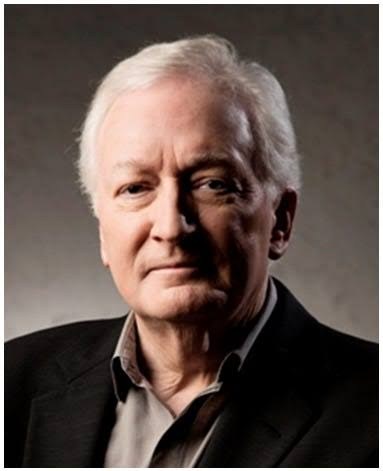
Chris Whalen is a market-structure and macro commentator who frames finance through banks, credit, housing, energy, and policy transmission. He appears consistently skeptical of consensus narratives and leans on balance-sheet, liquidity, and supply-chain analysis rather than headline sentiment. Across the transcripts, he emphasizes private credit fragility, bank trading revenues versus lending, housing stress, and the limits of Fed communication tools.
Whalen’s recurring economic worldview is that the real economy is driven more by physical supply constraints, credit conditions, and policy credibility than by central-bank messaging. He repeatedly argues that inflation is being driven by external shocks—especially energy and refined-product shortages tied to the Middle East—and that the Fed has limited ability to fix these pressures. He favors a more restrained, less forward-guided Fed, thinks the bond market often moves ahead of official policy, and expects higher-for-longer rates, periodic hikes, and persistent stress in housing and credit. He is structurally bullish on gold and, even more so, on silver as scarce real assets with industrial use, while viewing Bitcoin and parts of the AI/crypto complex as overextended or speculative. He also expects recurring credit-cycle problems, bank consolidation, and eventual housing weakness or reset conditions.
Every analyzed appearance we have for this speaker, newest first. Open any transcript preview to read the underlying transcript.
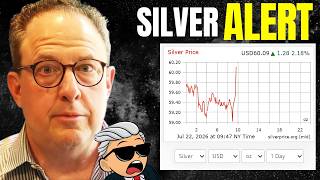
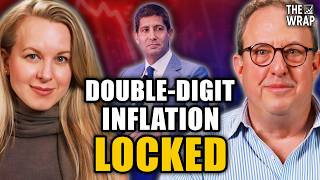
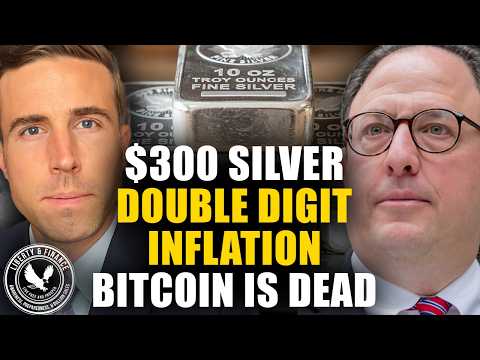
Preview:Chris Whalen of Whalen Global Advisors views the recent gold/silver sell-off as a buying opportunity driven by rate expectations and institutional disinterest, not by deteriorating fundamentals. He argues Washington's fiscal neglect and rising energy costs will push US inflation to double digits by year-end, while the dollar survives not as a store of value but as the world's irreplaceable transactional plumbing. He is bullish on US silver miners as a medium-to-long-term play, citing Chinese physical buying and constrained supply, and is writing a book on gold's restoration as a monetary asset independent of political control.
Preview:Chris Whalen argues private credit is a "slow motion train wreck" because redemption gates, fund leverage, and conflicted bank/insurance support are delaying losses rather than resolving them. He also sees U.S. housing, precious metals, and parts of the AI trade as key market fault lines, with gold/silver still a buy on dips and AI showing late-cycle rotation and profit-taking.
Preview:Chris Whalen discusses bank earnings divergence (strong trading/IB vs. falling asset yields), warns of ~$4 trillion in bank exposure to private credit/non-bank financial institutions, reiterates his double-digit inflation call driven by refined product shortages, flags housing market parallels to 2005, and explains why the Fed under Kevin Warsh faces an impossible task with a 7% fiscal deficit. He's adding to gold/silver positions on the dip.

Preview:Chris Whalen argues the US economy is running hot with 7% deficit-driven GDP, making at least one Fed rate hike before Labor Day likely — and that the White House has already greenlit it. He sees the Iran conflict as intractable, driving oil/product shortages and pushing inflation toward double digits by fall. Diesel is already up 30% YoY. He expects Democrats to take the House in midterms, potentially impeaching Trump, and warns credit spreads are widening as long rates rise even without Fed action.
Preview:Chris Whalen discusses private credit distress (BDCs turning unprofitable, "PICK" signaling insolvency), the gold and silver structural-shortage thesis (endorsing Goldman's $4,900 gold target, noting Chinese silver buying), mixed June payrolls data, housing market regional divergence, Trump's crypto ventures, and answers viewer questions on PennyMac, regional banks (KRE), housing systemic risk, and silver's long-term tech-driven demand case.
Preview:Former Fed and Bear Stearns veteran Chris Whalen joins tastylive to discuss his bearish pivot on AI/tech stocks, his bullish lean toward financials (especially Schwab), and his macro read on bond markets and private credit. He reveals he sold all his AI holdings — including AMD and others that ran 10X — calling the move a bubble, while favoring low-risk, underpriced financial franchises. He also flags a "slow-motion train wreck" in private credit and notes falling default rates despite apparent tightening.
Preview:Chris Whalen argues that private credit and housing are both showing late-cycle stress, with rising rates and inflation making the setup worse. He thinks DSCR/business-purpose loans, institutional buying of risky real-estate credit, and higher-for-longer rates are early signs of a housing reset that could show up around 2028. He also says AI stock volatility is being amplified by ETFs and autonomous trading, gold and silver are still long-term bulls but can wobble when rates rise, and Bitcoin/crypto have lost momentum as Wall Street backs away.
Preview:Chris Whalen argues the Fed is already behind the curve because long rates and credit conditions have effectively tightened on their own, while the bigger inflation risk is coming from war-related supply shocks and energy/refined-product shortages. He is bullish on Kevin Warsh’s less-chatty Fed style, bearish on AI/speculative equities, and constructive on income assets, precious metals, and select REITs like Annaly and PennyMac.
Preview:Chris Whan argues the recent silver and gold pullback is a normal retracement after a huge 12-month run, and he is treating weakness as a buying opportunity. He believes the bigger picture still favors precious metals because of structural supply-demand tightness, central-bank gold buying, and strong silver demand, while near-term price action is being distracted by AI enthusiasm and shifting Iran headlines.
Preview:Chris Whalen argues the market is already pricing in a serious supply shock from the Persian Gulf, while Washington is not. He says higher rates, a slowing housing market, rising diesel and transport costs, and de facto rationing of key industrial inputs are feeding a broader inflationary wave, even as AI stocks remain the main momentum trade and Bitcoin weakens sharply.
Preview:Chris Whalen argues the U.S. is entering an inflationary reset driven less by the Fed and more by war-related supply disruptions, especially around Iran, the Strait of Hormuz, energy, and industrial inputs. He is bullish on silver and gold, skeptical of Bitcoin after ETF adoption, and expects weaker outcomes for high-duration assets like tech, real estate, and parts of banking/credit.
Preview:Chris Whalen argues that banks are benefiting unevenly from a stronger trading business and wide demand for assets, but that the real pressure point is rising rates, private-credit losses, and a more fragile credit cycle. He is bearish on the Fed’s ability to control inflation through rate cuts or hikes alone, expects policy to lose efficacy, and thinks balance-sheet policy matters more than the fed funds rate. He remains constructive on precious metals, cautious on banks with legacy low-coupon securities and private-credit exposure, and worried that housing, lending, and broader growth are being squeezed by higher long-term yields and war-related inflation.
Preview:Chris Whalen argues that war-driven energy disruptions could push U.S. inflation sharply higher, even into double digits, forcing the Fed to shift toward hikes rather than cuts. He also says the regime change in rates, housing, and liquidity will favor asset holders in some areas, but increase volatility and pressure politics, banks, and consumer affordability.
Preview:Chris Whalen argues that war-driven energy shocks could push inflation materially higher this year, keep the Fed from cutting, and sustain higher long-end rates. He also sees the Worsh Fed as a regime shift toward tighter reserves, more balance-sheet discipline, and less support for asset inflation, while remaining constructive on silver and cautious on mortgage lenders in a higher-for-longer world.
Preview:Chris Whalen argues that Fed policy is headed for a personnel and regime shake-up under Kevin Warsh, with no near-term rate cuts and a likely move toward scarcer reserves. He is also constructive on gold/silver, skeptical of banks and private credit, and sees Iran-related supply disruptions keeping inflation elevated for the rest of the year.
Preview:Chris Whalen argues Powell’s decision to remain on the Fed board is politically significant because it blocks Trump from a second appointment and preserves the current Fed structure. The interview then broadens into a bearish view on inflation, a bullish stance on precious metals, and a call that distressed real estate is becoming more attractive as delinquencies rise.
Preview:Chris Whalen argues the DOJ dropping the Powell probe clears the way for Kevin Warsh, whom he sees as the hawkish, structurally more conservative Fed choice. He remains bearish on the policy backdrop: energy-driven inflation, limited room for rate cuts, and rising credit stress, with private credit, AI capex, and weaker airlines as symptoms of a broader credit-cycle problem.
Preview:Chris Whalen argued that the market’s rebound on Iran/Strait of Hormuz headlines is real but does not erase the inflation shock already embedded in supply chains, energy, and Treasury pricing. He was constructive on equities and precious metals as inflation hedges, but warned that higher-for-longer rates, commercial real estate stress, and private credit losses remain important risks.
Preview:Chris Whalen argues that the Iran war has made inflation more persistent, pushed Fed cuts off the table for now, and is already feeding through energy, housing, and consumer affordability. He sees private credit as a liquidity and suitability problem for retail investors rather than a systemic threat, expects housing to weaken in many overheated markets, and remains constructive on gold, silver, and select miners.
Preview:An interview on Wall Street Bullion with Christopher Whan argues that Middle East disruptions will keep pressuring inflation and supply chains for years, while gold and silver remain his preferred stores of value. He expects volatility, believes metals are still underpinned by physical tightness, and is constructive on gold, silver, and select hard assets over fiat cash.
Preview:Chris Whalen argues the Iran conflict lacks a clear U.S. endgame, which makes the U.S. the likely loser strategically even if it can still pressure Tehran. He remains constructive on gold and silver, skeptical on banks and oil at current levels, and thinks U.S. housing has likely peaked for this cycle with flat-to-down prices and weaker mortgage volumes ahead.
Preview:Chris Whalen argues the Fed should stay on hold because it cannot fix war-driven inflation, while the bigger risk is energy-driven dislocation feeding into rates, credit, and Treasury-market stress.
Preview:Chris Whalen argues the Iran war is creating a broader inflation-and-growth shock that will force the Fed to cut rates sooner than the market expects, even if headline inflation is temporarily hotter. He thinks the bigger issue is not just oil, but disrupted Gulf inputs, weaker Treasury demand, a rising term premium, and a shifting market regime that favors cash, cash flow, gold, and selected energy over long-duration risk assets.
Preview:An interview with Christopher Whan argues that the recent pullback in gold and silver is a correction inside a broader shortage-driven bull market, with physical supply constraints and Asia increasingly setting the price. He also says market stress is rotating away from private credit/tech weakness toward stronger banks and income assets, while fiscal deficits and debt will likely be monetized through inflation and a steeper yield curve.
Preview:Chris Whalen argues that private credit has become a low-quality, fee-driven business model now inflicting reputational and potential financial damage on banks, sponsors, and retail-facing funds. He also says Trump mishandled the Fed politically, worsening the odds of getting a successor for Powell, while the Iran conflict, high oil, and sticky inflation complicate the macro backdrop.
Preview:Chris Whalen argues the Fed is late to ease, with private credit redemptions and weak labor data signaling broader credit stress. He thinks the immediate market reaction was driven by a mix of sticky inflation fears and growing recession risk, while the deeper issue is that years of low rates and private-market illiquidity are now forcing markdowns, gating, and eventually bank losses.
Preview:Chris Whalen argues that private credit is the start of a long, painful unwind rather than an immediate systemic crisis, with banks, BDCs, and off-balance-sheet structures likely to absorb losses over time. He also thinks credit stress, housing weakness, and higher oil prices are building into a broader financial slowdown, even if markets have not fully reacted yet.
Preview:Chris Whalen argues the current environment is a classic risk-off setup that could culminate in a broader financial crisis, driven less by traditional bank lending than by private credit, private equity, and related opaque non-bank exposures. He is bearish on financials, cautious on housing, constructive on gold and silver, and skeptical that regulators or the Trump administration are prepared for the scale of the coming contagion.
Preview:The video is a long-form gold/financial-crisis interview arguing that private credit, private equity, and insurance-linked annuity products are hiding systemic risk that will eventually hit retirees and public equity holders. The guest is broadly bullish gold and silver, skeptical of Bitcoin and private markets, and expects higher stress across Wall Street and possibly higher long-term rates.
Preview:Chris Whalen argues that private credit is unraveling, liquidity is becoming the dominant market theme, consumer credit is starting to crack, and precious metals—especially silver—are in a long-term secular uptrend as pricing power shifts away from Western exchanges.
Preview:Chris Whalen argues that private credit and private equity are structurally riskier, less transparent, and increasingly being sold to retail investors in ways that will likely end badly, with Blue Owl’s reported redemption issues treated as an early warning sign. He also sees a meaningful policy shift in mortgage regulation, is constructive on silver/gold, and thinks the midterm/presidential politics narrative is being oversimplified by the media.
Preview:Chris Whalen argues that the market has shifted from last year’s exuberant, AI-and-crypto-led momentum into a risk-off rotation toward safer, income-producing assets. He sees the selloff in large-cap tech, crypto, fintech, and even some banks as part of a broader unwind of overextended narratives rather than a simple healthy correction.
Preview:Chris Whalen argues that the market’s speculative phase has largely ended and the setup has shifted toward preservation, cash flow, and defensive positioning. He sees recent pullbacks in crypto, metals, banks, and AI as evidence that last year’s “aspiration” trade ran out of runway, and he warns that policy attempts to force lower mortgage rates or shrink the Fed balance sheet could break funding markets rather than fix affordability.
Preview:Chris Whalen argues that Kevin Warsh as Fed chair would be a hawkish, deficit-focused choice: supportive of limited rate cuts, more hostile to balance-sheet expansion, and more willing than Powell to pressure Congress over fiscal deficits and inflation. He also says gold and silver are in a strong secular bull market but due for a tactical pullback, banks are becoming less attractive as credit and private-market losses surface, and private credit/private equity look like a growing source of hidden risk.
Preview:Chris Whalen argues that housing is already weakening in the hottest markets and that the Trump administration will try to support demand rather than meaningfully improve affordability. He expects one or two rate cuts, a temporary boost in refinancings and volumes, but not a real fix unless home prices fall substantially—something he thinks is likely over time despite political resistance. He is similarly constructive on gold and cautious on the dollar, while skeptical of stablecoins and upbeat about industrial loan company approvals as competition for big banks.
Preview:Chris Whalen argues that housing, banks, private credit, and Fed policy are all being distorted by politics and balance-sheet constraints. His core warning is that private credit and private-equity lending are a hidden banking-system risk, while housing affordability will not truly improve until prices are allowed to fall. He also thinks the Fed is likely to remain politicized, gold is the cleaner monetary hedge than silver, and banks look okay on the surface but may face losses later in 2026.
Preview:Chris Whalen argues that Trump’s housing rhetoric is mostly populist politics and that government intervention in mortgage bonds is not the solution to affordability. He is more constructive on cheap financials and some metals, while warning that long-term rates, deficits, and policy confusion are the real market risks.
Preview:Chris Whalen argues that 2026 could be a rough year for credit, housing, private equity, and parts of leveraged finance after a long period of Fed-driven asset inflation. He is constructive on gold, silver, and select financials, but sees rising defaults, fraud, and valuation resets as the dominant risks.
Preview:Chris Whalen, chairman of Whalen Global Advisors, discusses the silver surge, viewing it as a catch-up to gold and a bellwether for retail investor anxiety about currencies and inflation. He flags institutional credit stress hidden by Fed-era distortions, warns against Trump's push for ultra-low rates, and expects a housing correction by 2027-2028. He holds ETF exposure to silver and gold and sees a medium-term consolidation play in junior miners.
Preview:Chris Whalen argues for a much smaller, more decentralized Federal Reserve whose only mandate should be the soundness of the dollar. He says the current Fed has drifted into economic management, political mission creep, and housing-market distortion, while Trump-era talk about rates is itself pushing bond yields up.
Preview:Chris Whalen argues the Fed is fragmented and will likely stay cautious, with only modest further cuts and a balance sheet policy aimed more at liquidity management than renewed QE. His bigger concern is not CPI alone but the knock-on effects of cheap credit: falling home prices, pressure in commercial real estate, and a hidden 2026 risk in private equity/private credit and bank lending to non-depository financial institutions.
Preview:Chris Whalen argues the Fed is political, not truly independent, and expects Kevin Hassett to become chair and deliver gradual rate cuts that help lower mortgage rates ahead of the midterms. He is broadly constructive on the economy and financials, but sees continued stress in commercial real estate and private credit as the main pockets of risk.
Preview:Christopher Whalen argues that gold is in the early stage of a long upcycle driven by central-bank buying and persistent inflation, while much of the equity rally—especially AI-linked tech—is built on false narratives. He favors gold, silver, copper, nickel and other hard assets as inflation and policy uncertainty hedges, and he is skeptical of Bitcoin and the idea that generalized machine intelligence is close at hand.
Preview:Chris Whalen argues the biggest near-term market risk is still a year-end liquidity squeeze driven by Treasury cash issuance draining the banking system, not the Fed funds rate itself. He thinks the Fed is posturing around cuts, but the real pressure point is repo and money markets, with banks likely to pull back after Thanksgiving and year-end risk-taking to shrink.
Preview:Chris Whalen argues the market is shifting from simple profit-taking into a more fragile liquidity regime, with Treasury cash flows, repo markets, and the Fed’s balance sheet now more important than the fed funds target. He sees a real risk of 2018-style money-market stress, is skeptical of Bitcoin and private credit, constructive on gold and select miners, and expects mortgage rates to stay above 6% for now.
Preview:Chris Whalen argues that markets are running out of buyers after a long run-up, with stocks, gold, and crypto all showing fading momentum. He ties the macro picture to inflation, housing affordability, Fed policy, and a growing stress cycle in older assets, private credit, and parts of commercial real estate. His favored expression of the theme is gold, plus selective junior miners, while he is skeptical of crypto and stablecoins and worries about New York City’s business future under Mamdani.
Preview:Chris Whan argues that gold’s rise reflects a structural shift away from dollars and toward tangible stores of value, driven by central-bank buying, limited deliverable supply, and US fiscal mismanagement. He thinks silver participates in the same broad precious-metals bid but sees miners as especially attractive because the sector underinvested for years and now has cash flow to rebuild capacity.
Preview:Chris Whalen argues gold is in the early innings of a structural bull market driven by massive underallocation among US investors (below 1% of AUM), central bank diversification away from dollars, and constrained supply. He gives a gold price target of over $5,000 by end of 2026, sees the economy as "roaring" for the top two-thirds but brutal for lower-income households, and criticizes the Fed for over-easing and distorting housing. The conversation covers gold vs. dollar dynamics, Fed policy errors, New York City politics, and the government shutdown's potential to enable Trump's workforce reduction agenda.
Preview:Chris Whalen argues the Fed is late, but that further cuts will only partly help: mortgage rates may ease and lenders may get a short-term volume boost, yet the core housing problem is a supply/affordability crisis caused by years of low rates and overbuilding in some regions. He also thinks the market should expect more pressure on the dollar and Treasuries, while his preferred long position remains gold, with silver and select miners as added plays.
Preview:Christopher Whalen argues that the U.S. banking system, the dollar regime, and the Fed are all being reshaped by leverage, technology, and fiscal pressure. His core view is bullish on gold and skeptical of the dollar as a long-term store of value: he says the dollar is fundamentally a means of exchange, not where you should hide money, and he thinks the reserve-currency role is fading as central banks buy more gold and as payments/crypto infrastructure evolves.
Preview:Chris Whalen, chairman of Whalen Global Advisors, makes a clear risk-off call: he's taken profits after a 30%+ YTD run, sees the April rebound as exhausted, and warns of multiple converging risks — a potential Treasury market crisis, a messy Trump administration with competing personalities, uncertainty around the Supreme Court tariff ruling, and structural dollar decline. He sees gold's rally as a secular shift where gold is displacing the dollar as the primary reserve asset. On the Fed, he thinks a single quarter-point cut is neutral-to-positive but warns that a half-point cut would signal recession. He flags hidden commercial real estate stress, distortions in consumer credit data, and the risk of a housing price blowoff. His core advice: be cautious, take profits when handed double-digit gains quickly, and wait for the next sell-off as a buying opportunity.
Preview:Chris Whalen argues the dollar’s long-run dominance is fading, gold is regaining reserve status, and the U.S. is drifting toward a more volatile, inflationary, debt-driven regime. He is constructive on tactical opportunities in equities and banks on pullbacks, but much more bearish on long-duration Treasury exposure, crypto, and the idea that the Fed is independently steering the economy.
Preview:Chris Whalen argues that the Fed, bank regulation, and years of easy credit have distorted asset prices, kept housing expensive, and made inflation the central macro problem. He is constructive on income assets and select equities, but expects a future housing reset, sees gold as a better real-asset hedge than crypto, and thinks the US needs fiscal reform to avoid repeated crises.
Preview:Chris Whalen, chairman of Whalen Global Advisors, argues the dollar's special role as global reserve asset is ending, accelerated by Trump-era policies and foreign central bank gold buying. He sees significant banking sector risk from non-bank financial institution exposure, a likely stock market selloff worse than April 2025, and an eventual home price correction to ~2020 levels. He advocates defensive positioning: treasuries, income-producing stocks, gold as a core holding, and opportunistic buying. Views crypto as a short-term trade, not a store of wealth.
Preview:Chris Whalen argues that a September Fed cut is possible but far from certain, and he places the odds at roughly one in three. He sees abundant liquidity, persistent inflation, and fiscal dominance as the real market backdrop, while remaining constructive on gold, select financials, and some housing-related trades, and skeptical of crypto.
Preview:Chris Whalen argues the Fed is late, commercial credit is already under stress, and the combination of the Big Beautiful Bill plus heavy Treasury borrowing will keep inflation and long-end rates elevated. He is bearish on commercial real estate, skeptical of short-term rate cuts, constructive on gold, and thinks New York City rent politics could further damage rent-regulated housing values.
Preview:Chris Whalen argues the Fed is unlikely to cut rates this year, that growth will stay weak but not recessionary, and that stocks can still grind higher because there are few alternatives. He sees the real stress in commercial real estate, multifamily, student loans, and post-COVID forbearance roll-offs, which he thinks could produce a quieter subprime-style defaults wave by year-end. His long-run answer remains the same: own real assets, especially gold, as protection against an inflationary dollar and debt-heavy policy regime.
Preview:Chris Whalen argues there is no recession coming in 2025, tariffs were a distraction that markets have moved past, and stocks will continue rising because inflation is structurally embedded in the US economy. He is long gold and sees it as a durable trade given Washington's refusal to embrace fiscal sobriety. The Fed's real priority is keeping the Treasury market functioning — not employment or inflation. Whalen warns of a silent commercial real estate crisis (multifamily, private equity) and sees the fiscal/debt situation as manageable but requiring political will that is currently absent.
Preview:Christopher Whalen argues that the bigger macro story is not a classic consumer recession but stress in commercial real estate, weak long-duration assets, and a monetary system still dominated by the dollar. He thinks Trump’s tariffs are mostly a reset toward a more balanced global trading order, with China as the main counterparty, while gold stays attractive and U.S. equities can still grind higher because the Fed and the system tend to re-inflate assets.
Preview:Chris Whalen argues the U.S. economy is not in recession, but is still working through the distortions created by years of Fed-driven liquidity and leverage. His main tactical views are that housing remains vulnerable to a multi-year reset, long rates may stay elevated even if the Fed cuts, and gold/financials look attractive as the market normalizes.
Preview:Christopher Whalen, chairman of Whalen Global Advisors, argues the current tariff-driven market turmoil is a buying opportunity, not a prelude to systemic collapse. He contends Trump's trade war is a deliberate renegotiation of the post-WWII global order, and while commercial real estate and private equity are in pain, the consumer remains resilient. He's selectively buying beaten-down names like American Express and Nvidia, sees gold as a tight safe haven, and expects long-end yields to stay elevated even if the Fed eventually cuts short-term rates. His core message: "calm down, do your homework, buy what was too expensive last year."
Preview:The video is an interview-style discussion between Daniela Kambon and Christopher Whalen about Fed policy, the dollar, debt, housing, and gold. Whalen argues the Fed is boxed in by debt, commercial real estate stress, and the need to keep the Treasury market functioning, so rate cuts and eventual monetization are more likely than a clean fiscal fix. He also says Trump wants a weaker dollar and a more protectionist, Bretton Woods-era reset, while gold and gold-related reserve thinking become more important in that regime.
Preview:Chris Whalen argues the market’s tariff panic is mostly a distraction from a larger reset in America’s role as the global currency and growth engine. He thinks the selloff is partly an overreaction, but he is more focused on weakening consumer credit, pressure in financials and private credit, and a likely consolidation in mortgage lending as rates and credit costs normalize.
Preview:Chris Whalen says the market has moved from post-election optimism to caution as policy volatility, high rates, and credit stress weigh on banks, housing, and commercial real estate. He does not expect a recession this year, but he also does not expect a near-term Fed cut, which keeps pressure on financials and favors defensive/yield-oriented positioning over the old AI trade.
Others tracked across the same asset focus or market thesis.
Unlock every transcript this speaker appears in, compare them with your other followed voices, and ask the agent for the bull, bear, and consensus read in one workspace.
Type a question. Create a free agent to send it and keep the answer linked to this speaker.
Your question is preserved across sign-in.
Free. No card. Takes about a minute.