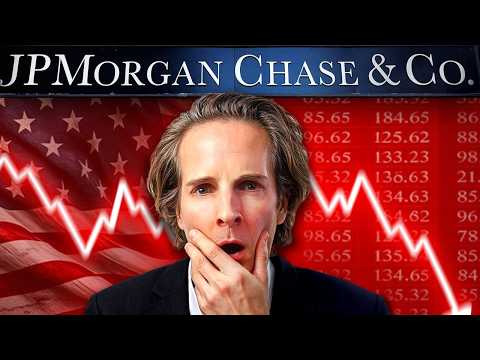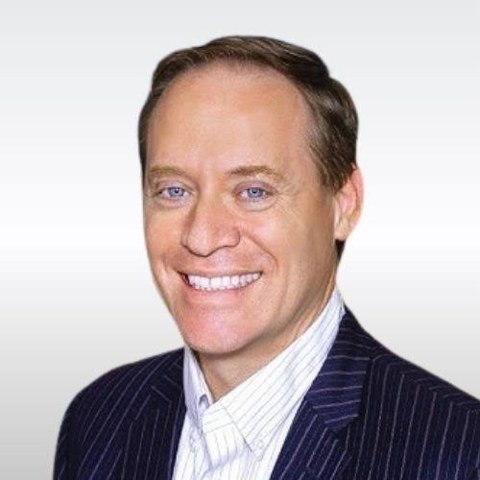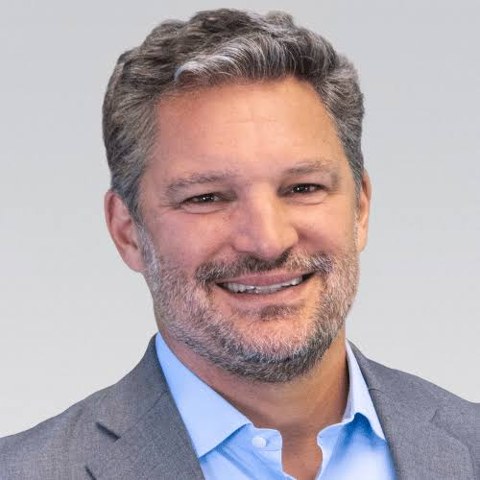
His recurring economic worldview is broadly market-structure and regime-driven: prices are less important than relative valuations, policy shifts, and institutional behavior.
📈 See how Felix Prehn's thesis changed over time →Preview how this speaker shows up across market transcripts. Unlock the full archive, AI chat, and the version personalized to your watchlist, followed channels, and favorite speakers.
Felix Prehn presents himself as a former investment banker/lawyer/entrepreneur turned market educator, using the Felix Friends / Goat Academy / Trade Vision ecosystem to translate Wall Street-style analysis for retail audiences. Across the supplied transcripts he frames himself as a contrarian, rules-based commentator who favors market ratios, institutional positioning, and “quiet” structural shifts over headline narratives. He repeatedly positions his content as educational and transparency-oriented, with a strong emphasis on simplifying complex market mechanics for non-professionals.
His recurring economic worldview is broadly market-structure and regime-driven: prices are less important than relative valuations, policy shifts, and institutional behavior. He often argues that hidden rule changes, uncertainty spikes, inflation, policy conflict, and sector rotation create durable setups that informed investors can exploit. He favors a defensive-to-opportunistic framework: don’t panic, don’t freeze, and don’t rely on noise; instead use a disciplined signal-based process to decide when to own risk assets, metals, or cash. He is especially attracted to metals and to cross-asset ratios that he believes reveal when mainstream investors are missing a major shift. Overall, he seems to believe markets reward those who understand the underlying rules and positioning dynamics rather than those who follow headlines.
Every analyzed appearance we have for this speaker, newest first. Open any transcript preview to read the underlying transcript.
Preview:Felix uses South Korea's recent leveraged-stock-market meltdown — where 1.2 million retail accounts were margin-called and 360,000 fully liquidated — as a warning that the US is running the same playbook at larger scale. He argues US margin debt at 4.7% of GDP exceeds dot-com and 2008 peaks, concentrated AI bets dominate index funds, and a single hyperscaler spending cut could trigger a cascade. The pitch: a three-step framework (find hidden leverage, rightsize/decorrelate positions, write exit plans while calm) and a free Saturday webinar.
Preview:Felix presents a three-phase conflict-market framework (shock, repricing, rotation) in response to Iran tensions, arguing retail investors panic-sell or chase spikes while institutions quietly reposition. He advocates five "tilts": energy infrastructure, defense (especially drones), gold/silver for long-term accumulation, quality/moat stocks, and avoiding rate-sensitive sectors. The video is heavily promotional, directing viewers to a free Saturday trading workshop and the Winston stock-screening app, with limited actionable specificity.
Preview:The speaker, Felix, a former investment banker, presents a five-filter framework for identifying quality stocks: profitability (return on capital), moat (gross margins), cash flow, financial stability (debt coverage), and valuation (PE ratio). Running all 5,636 US stocks through these filters leaves only ~123 companies (2.9%) that pass all five, and just 11 that score above 80/100. He contrasts winners like Nvidia, Mastercard, and AppLovin against losers like Intel, Rivian, and Snowflake. The core argument: index funds dilute returns by forcing investors to own thousands of junk companies, but stock-picking without a framework is worse. He promotes his Winston app and a free research report throughout.
Preview:Felix Preen argues the AI boom looks structurally similar to the late-1990s dot-com bubble: the technology is real, but many valuations are not, and passive index exposure can hide far more AI risk than investors realize. He frames survival as a three-part skill set: read price/volume for institutional sponsorship, recognize breakout/heartbeat setups, and rotate toward boring defensive areas when money leaves speculative tech.
Preview:Felix Breen makes a case for Norfolk Southern (NSC) as a "boring toll booth" railroad stock that can protect wealth when AI stocks eventually crack. He walks through a three-part "toll booth test" (moat, machine/operating ratio, money in motion), discusses Warren Buffett's BNSF deal as the precedent, and highlights a proposed $85B NSC–Union Pacific transcontinental merger as a catalyst. Heavy promotion of a free "Survive the Bubble" live training runs throughout. The thesis is more educational framework than rigorous investment analysis.
Preview:Felix presents a three-signal framework for why central banks are aggressively buying gold: (1) central banks buy on dips while retail panic-sells, (2) the US follows a historical empire-decline pattern accelerated by deindustrialization and financialization, and (3) the "impossible triangle" means the dollar must weaken as the US reindustrializes behind tariffs. He argues household stock exposure at all-time highs, extreme index concentration in AI names, and a $39T national debt create a 2000-like bubble setup. The video funnels into a promotion for a free live training at survivethebubble.com.
Preview:Felix presents a bearish thesis on the AI bubble, arguing that Wall Street analysts are conflicted because banks earn billions in fees arranging AI-related financings. He highlights SpaceX's 38% decline from highs amid universal buy ratings, IBM's worst single day in its 115-year history as AI spending cannibalizes traditional IT budgets, record AI debt issuance ($182B), circular revenue via chip-maker-to-startup funding loops, and the SEC's termination of the Global Research Analyst Settlement. He sees Goldman Sachs publicly bullish while its trading desk privately calls conditions "carnage." The video is structured around selling his free "Survive the Bubble" event at survivethebubble.com.
Preview:Felix Prehn warns that AI infrastructure revenue is dangerously circular — roughly 50% comes from hyperscalers effectively paying themselves via vendor financing. He draws parallels to past debt-driven crashes (2008, 1999) and flags that banks are trying to offload AI-related debt, IBM's 25% gap down, and the SpaceX bond falling ~10% as early warning signs. His core advice: investors are massively over-concentrated in AI/tech through 401(k)s and pension funds, and should diversify before a capex hiccup triggers a broad unwind.
Preview:Felix warns that the AI boom is being funded by massive corporate borrowing in a circular-money pattern eerily similar to 2007's subprime crisis. He claims Goldman Sachs traders are privately using the word "carnage" to describe AI bond markets while publicly remaining bullish, that banks are quietly offloading AI debt, and that retail retirement funds are unknowingly exposed. The core thesis: the borrowing machine is cracking, the dominoes are aligned (lenders walk → spending stops → circular revenue disappears → stocks fall → retirement gets crushed), and viewers need a plan before it breaks.
Preview:Felix presents a framework-driven stock pitch for six lesser-known AI-infrastructure stocks (Sterling Infrastructure, Argan, Credo Technology, Vicor, Okta, Cellebrite) that he argues are the next wave of AI beneficiaries beyond obvious names like Nvidia. He emphasizes a "three checkbox" system (industry growing, best-in-class company, stock in uptrend) and repeatedly warns that stock picks are worthless without a system for knowing when to sell. The video serves as a funnel for a free live training at buyandgrow.net and a research report at felix.org/stop.
Preview:Felix Prehn teaches a three-step selling framework (Protect, Profit, Automate) centered on the 150-day SMA for investors and 50-day SMA for traders. He argues that having a pre-planned exit rule eliminates big losses, emotional decision-making, and the trap of holding losers while selling winners too early. The session is heavily promotional for Goat Academy's coaching program, with a free strategy call as the primary call-to-action.
Preview:Felix argues the Fed has created the best income-investing opportunity in over a decade by keeping rates elevated, and that $300B has already flowed into bonds/income assets. He presents a five-step "risk-reward staircase" of bond ETFs from safest (government bonds) to riskiest (junk bonds) plus tax-free munis. The video is heavily promotional: it funnels viewers to a "when to sell" live session and a free research document. The core premise is that retail investors are being left behind while institutions rotate from tech into interest-bearing assets.
Preview:Felix (from Goat Academy) breaks down a Morgan Stanley institutional research note arguing the market is undergoing a "broadening" — a rotation away from the over-concentrated AI semiconductor trade into beaten-down hyperscalers, consumer discretionary, transports, and biotech. He claims the semiconductor trade resembles the parabolic silver crash earlier this year, that falling oil and a softer Fed are accelerating the rotation, and that most retail investors lack a sell discipline. The video doubles as a pitch for his free "When to Sell" training at whentosell.org.
Preview:Felix Pin analyzes the market shock following new Fed Chair Kevin Warsh's first meeting, where he abandoned forward guidance, refused to publish his own dot plot, slashed the FOMC statement to 130 words, and signaled rate hikes instead of cuts. Gold, silver, and Bitcoin crashed simultaneously as three forces hit at once: the "debasement trade" unwinding, rising opportunity cost of holding non-yielding assets, and fading geopolitical fear. Pin frames the crash as a classic parabolic correction within an ongoing bull run — not a fundamental breakdown — and pivots heavily to promoting his free "When to Sell" workshop, arguing that selling discipline is the single skill separating pros from amateurs in a world without a Fed put.
Preview:A long interview about gold, silver, the dollar, and debt. The guest, Clive Thompson, argues the recent precious-metals selloff was driven by hawkish Fed messaging, stop-loss cascades, leverage, and market structure, but he remains constructive longer term because he sees rising government debt, potential dollar debasement, and continued monetary pressure supporting scarce assets. He also spends a lot of time on financial education, diversification, and a proposed U.S. gold revaluation as an accounting mechanism that could lower reported debt and put a floor under gold.
Preview:Felix Pin lays out a three-part thesis: the Fed is deliberately letting inflation run hot (above stated 2%) to erode the real value of $40T in US debt; the Genius Act stablecoin legislation creates legally captive buyers of US government debt, ensuring perpetual demand; and a gradual dollar devaluation is the logical outcome. He frames this as "financial repression" and a "silent tax" on savers, and pitches hard assets, quality stocks with pricing power, and exposure to payment/stablecoin infrastructure as the winning side. The video is roughly half macro thesis and half promotion for his free live training (mygreatportfolio.com) and his Winston stock-screening app.
Preview:Felix Pri debunks the viral "Trump-backed gold reset to $10,000 on July 4" rumor using a three-question truth filter (who benefits, what is smart money doing, facts vs feelings). He argues the rumor fails all three tests: gold promoters benefit, no institutional buying confirms the thesis, and a gold revaluation requires legislation, not a ceremonial button-press. That said, he remains structurally bullish on gold due to central bank buying (secret + reported), US debt trajectory, dollar reserve decline, and frozen Russian reserves pushing nations toward gold. He lays out a three-bucket portfolio framework (foundation/wealth/protection) and promotes a free portfolio workshop.
Preview:Felix Breen teaches his "green light test" — a three-question momentum/relative-strength framework for spotting institutional money flow into stocks. He then pitches three specific names: GLW (Corning, AI fiber/shovel play), AFRM (Affirm, buy-now-pay-later turning profitable with Apple/Amazon/Shopify integrations), and RSI (Rush Street Interactive, profitable online gambling riding state-by-state legalization). The video is heavily promotional — a free live workshop signup ("mygreatportfolio.com"), a free research report download, and repeated warnings about a late-July market structure shift that will supposedly catch retail off guard. Educational content on the test itself is thin; the bulk is stock pitches and urgency-driven workshop promotion.
Preview:Felix walks through SoFi, Palantir, and Microsoft — all down significantly — and applies a three-question "traffic light" system (money flow, trend line vs 150-day MA, resting vs crashing) to classify each as green, amber, or red. SoFi gets a cautious greenish/amber (improving, but wait for confirmation). Palantir gets amber (great company, wrong moment, trend rolled over). Microsoft gets red across all three questions — great company but a "falling knife" under a declining trend line with institutional money leaving. Heavy pitch for a free live training weekend at mygreatportfolio.com.
Preview:Felix, an ex-investment banker, walks through the SpaceX stock crash ($400B wiped in a day), attributing it to a perfect storm: an overextended IPO valuation at 100x revenue, a post-IPO bond offering that spooked markets, a broader tech/AI selloff, top AI researchers leaving Google, and macro pressure from sticky 4% inflation with potential rate hikes. He frames the crash as a buying opportunity for disciplined investors and repeatedly pitches his free 2-hour "mygreatportfolio.com" live training session where he'll share his written 90-day action plan.
Preview:Felix presents a bullish thesis on Intel (INTC), arguing that both Nancy Pelosi and Donald Trump are making large, concurrent bets on the stock. Pelosi purchased ~$6M in Intel call options with a one-year horizon, while the Trump administration made the US government a ~10% equity owner of Intel alongside Trump's personal trust buying stock and bonds. Felix applies a three-pillar framework: (1) fundamentals are weak (he scores it 13/100) but improving with the 18A manufacturing process; (2) risks include execution difficulty, strong competitors (TSMC, NVIDIA, AMD), and negative cash flow; (3) the catalyst is government underwriting — national defense priorities ensure continued support for domestic semiconductor manufacturing. He notes a bullish technical pattern and has a watchlist entry around $136 with stops at $115 or $97, but has not yet entered. The video functions partly as a funnel for his free live training at 90dayplaybook.org and his Winston app.
Preview:Felix, walking through Central Park, breaks down a newly released central bank survey showing 45% of central banks plan to buy more gold — the highest ever. He frames gold's recent 20% drop as speculative froth exiting, while structural buyers (central banks) never stopped. He argues the US is trapped by its debt (interest payments now exceed military spending), the dollar is being weaponized through sanctions, and countries are moving gold home — all creating what he calls the best environment for gold in decades. The video serves as a funnel to his free "90 Day Playbook" teaching session.
Preview:The speaker argues that a major market event is coming around August 11, when SpaceX lockup-related supply will increase sharply just as index funds are forced to buy shares. He frames this as a setup where retail investors may be lured into a popular name through index inclusion, while insiders and early holders can sell into that demand, creating short-term upside followed by potential weakness.
Preview:Felix argues that a new “IPO summer” tied to the space-defense economy is creating a second chance to buy a basket of companies before broader retail attention arrives. He highlights Mercury Systems, Astronics, and Redwire as different layers of that ecosystem—brains, power, and structures—and frames all three as ways to participate in government-funded space and defense spending.
Preview:The speaker argues that a near-term geopolitical shift, centered on oil, could trigger a major market repricing. His base thesis is that if conflict de-escalates and oil floods lower, inflation falls, rates can stay lower, and equities, housing, transport, and other rate-sensitive assets could rally hard; if war persists and oil spikes, the opposite happens, especially for AI/debt-heavy tech.
Preview:Felix argues that most investors lose money by focusing on stock selection instead of industry/sector rotation and exit discipline. He uses examples across tech, gold, energy, healthcare, insurance, transportation, and other sectors to show that following institutional money and using moving-average rules can improve outcomes more than buy-and-hold or chasing “cheap” stocks.
Preview:The speaker argues silver is entering a high-conviction setup ahead of the June 16 Fed meeting, which he says could usher in a more inflationary, financially repressive regime similar to 1946. He ties that macro view to strong-possible silver demand from AI infrastructure, low COMEX inventories, and the idea that institutions are already positioning before retail investors notice.
Preview:The video is a high-energy pitch arguing that most investors are unknowingly overexposed to a handful of mega-cap tech stocks through the S&P 500, and that a better opportunity is a sideways, under-owned biotech stock: Adaptive Biotechnologies (ADPT). Felix argues ADPT fits a classic pre-10x pattern: long price stagnation, improving fundamentals, rising institutional attention, and a near-term catalyst from expected profitability.
Preview:The video argues that a coming wave of mega-IPOs, new share issuance, and index-fund rebalancing will force large-scale selling of the biggest AI/mega-cap winners and create a near-term drawdown in major tech-heavy indexes. The speaker says investors are overly concentrated in the top S&P 500 names and should prepare a watchlist and rotation plan rather than panic.
Preview:The video argues that gold and silver’s current pullback is a normal, recurring post-crisis pattern rather than a breakdown. The speaker says geopolitical shocks, rising oil, higher inflation expectations, stronger bond yields, and a stronger dollar can all pressure gold initially before central-bank demand and the broader crisis cycle drive prices higher again.
Preview:The video argues that a late-cycle market top is forming because AI bubble dynamics, a wave of trillion-dollar IPOs, and rising inflation/oil are converging. The speaker’s core warning is that liquidity, not technology quality, will drive the bust: as founders and insiders rush to sell, Wall Street will need to fund huge IPOs by liquidating existing holdings, and the market is already showing strain via Broadcom’s post-earnings selloff.
Preview:Felix Breen pitches six stocks as 2026’s last easy wealth opportunities, using a three-part framework: cash runway, institutional tailwind, and revenue inflection. The six names are Beta Technologies, Rigetti Computing, Oracle, Datadog, Tenable, and 10x Genomics, with the strongest conviction presented on Tenable (his recent personal buy) and 10x Genomics (his favorite upside idea).
Preview:The video argues that SpaceX’s public debut could be structurally different from past hot IPOs because insiders may be reluctant to sell, passive index funds may be forced to buy quickly, and the company’s addressable market is presented as enormous. It also pitches several adjacent trade ideas—small-space stocks, chip suppliers, and QQQ—as ways to ride the theme while warning that Elon Musk remains the key risk.
Preview:Felix argues that six small-cap names could 10x over the next 12 months because they sit at the intersection of small market caps, credible catalysts, and institutional accumulation. The list spans quantum computing, psychedelics/mental health, industrial hard assets, and AI/defense: Rigetti, D-Wave, IONQ, Compass Pathways, Compass Minerals, and BigBear.ai.
Preview:Felix Preen frames the market as a game of following institutional money, not headlines, and argues that most big losses come from not having a sell rule. His core teaching is that investors should decide exits before buying, use moving-average-based stop rules, and automate the process so emotions do not sabotage returns.
Preview:The video argues that the next AI boom is not about chips alone, but about the electricity and infrastructure needed to power AI data centers. The speaker presents five stocks as the main beneficiaries: Nano Nuclear, Oklo, NuScale Power, Vicor, and Vertiv, and frames them as different layers of the AI power value chain.
Preview:The video argues that ServiceNow is a deeply misunderstood opportunity after a sharp drawdown: politicians, the president, and the CEO are all buying while the company’s AI and government-contract exposure may re-rate the stock. The host says the stock is down about half, but sees improving fundamentals, a big buyback, and a shift to AI-based consumption pricing as reasons to pay attention, though he personally wants to wait for a clearer technical signal before buying.
Preview:Felix Prin argues that a Middle East oil-and-dollar liquidity shock has already begun forcing foreign holders of U.S. debt to sell Treasuries, which he says pushes U.S. rates, mortgage costs, and the dollar lower while benefiting gold, energy, and some financials. He frames the episode as a “trust crisis” rather than a banking crisis and says investors should avoid long-duration bonds and unprofitable growth stocks.
Preview:The video argues that instead of chasing a hypothetical SpaceX IPO, investors should look at four already-listed space-related stocks with more room for asymmetric upside: Redwire, Voyager, Firefly, and Orbit International. The thesis is that SpaceX’s eventual public listing could enrich insiders and create a volatile post-IPO setup, while the listed smaller names may benefit from the broader space economy buildout.
Preview:A hype-heavy but still moderately actionable defense-sector pitch centered on Cuba’s alleged drone buildup and the idea that U.S. counter-drone spending could rise. The speaker argues the best trades are specialized or partially exposed defense names bought on weakness, while warning that leveraged ETFs, indirect exposure, and illiquid microcaps can be traps.
Preview:Felix argues Bank of America’s report signals a major market fragility: the 30-year Treasury yield at 5%, inflation near/above 4%, and extreme stock/bond divergence. He frames the setup as a likely crash environment but emphasizes crash winners can still be found if investors use rules, focus on quality, secular tailwinds, and sectors likely to benefit from recovery and policy support.
Preview:The video argues that Trump’s April executive order effectively opened a large new market for psychedelic-assisted therapy, and that three small biotech names tied to the theme could have outsized upside if FDA approval, reimbursement, and commercial adoption continue to improve. The speaker’s core pitch is that Compass Pathways, atai Beckley, and GH Research are early-stage speculation with asymmetric upside, but only if investors size positions small and accept regulatory, dilution, and execution risk.
Preview:Felix argues that the apparent strength of the S&P 500 masks a major internal rotation, where a smaller set of winners is offset by a large number of lagging industries and stocks. He promotes a free Saturday session and highlights commodity, infrastructure, and defense names as the main beneficiaries of inflation, AI buildout, and reindustrialization.
Preview:The speaker argues that traditional buy-and-hold investing is obsolete because fast-moving technology, especially AI, can destroy a company’s edge quickly. He says investors should instead follow where institutional money is flowing, ride sector momentum, and rotate into the next area rather than holding individual stocks forever.
Preview:The speaker argues software stocks are set up for a sharp rotation after two years of underperformance versus the NASDAQ, driven by extreme bearish positioning and the potential for forced short-covering. He frames the idea as a momentum/crowding trade rather than a debate about whether AI ultimately harms software, and highlights XSW plus three names he sees as beneficiaries: CoreWeave, BigBear.ai, and Unity Software.
Preview:Felix argues that the best opportunities are no longer the obvious mega-cap AI winners, but overlooked, out-of-favor stocks with real businesses and clear macro tailwinds. He uses past calls like Palantir, Seagate, Intel, and quantum names to argue that buy-and-hold is dangerous for individual stocks, then pitches three current ideas: Fortinet, Compass Minerals, and MKS Instruments.
Preview:Felix Prin uses a long, motivational live training to argue that investors should stop relying on buy-and-hold and instead use a disciplined sell rule tied to the 150-day moving average, especially for higher-volatility growth stocks. The core message is that protecting capital and keeping losses small matters more than being right on every stock.
Preview:The video argues that the 2022 freezing of Russia’s reserves triggered a global sovereign shift from dollars toward physical gold, with central banks—especially China, Poland, and Gulf states—buying aggressively. The speaker frames gold as portfolio insurance against a system that can be “switched off,” and distinguishes physical gold from paper gold and miners.
Preview:The video argues that Warren Buffett’s recent selling and Berkshire’s huge cash pile are signs the market is expensive and that Buffett is positioning for a future crash. It turns that into a retail-investor framework: don’t panic-sell, but review holdings using three reasons to sell—business deterioration, valuation getting too rich, or needing cash for a better opportunity.
Preview:A live, promotional market video from Felix & Friends (Goat Academy) laying out what the speaker calls the eight biggest 2026 investment opportunities, with heavy emphasis on AI, semiconductors, drones/defense, cyber security, and precious metals—especially silver.
Preview:The speaker argues quantum computing is a major long-term investment theme, but says most investors in earlier winners like IonQ, D-Wave, and Rigetti got hurt by failing to sell. He frames today’s setup as still attractive, especially for IonQ and D-Wave on business execution and Rigetti on technology optionality, while repeatedly pushing a free selling-training webinar and a research report download.
Preview:The video argues that silver was historically real money, was removed from the monetary system through policy decisions, and now sits at the intersection of shrinking supply and rising industrial demand. The speaker frames silver as both a monetary hedge and a technology-linked industrial input, while promoting a metals-tracking app and a free training on selling discipline.
Preview:Felix argues that the U.S.-led fiat system is entering a debt-driven monetary reset, so investors should favor scarce assets over cash. His recommended playbook is broad: own equities with pricing power, add real estate, hold gold/silver, and keep Bitcoin/crypto exposure, while avoiding long-duration bonds and excess cash.
Preview:Felix Prin argues the petrodollar system is weakening as the UAE leaves OPEC, oil sellers consider non-dollar settlement, and central banks keep accumulating gold. He frames gold as the main beneficiary of dollar dilution, reserve diversification, and geopolitical fragmentation.
Preview:The video argues that Trump’s new grid-reliability executive order will channel large amounts of capital into U.S. power infrastructure, especially to support AI data centers. The speaker frames this as a public, already-underway money flow that favors grid builders, off-grid power suppliers, nuclear/uranium names, specialized components, and some raw materials producers.
Preview:The video argues that the stock market keeps avoiding a durable crash because four forces keep creating demand or damping selloffs: the Fed put, passive/index-fund inflows, trend-following algorithms, and systematic hedging/retail dip-buying. The speaker says these supports can fail if inflation, debt stress, or an AI-heavy market concentration shock the system.
Preview:The video argues that passive index investing and market-cap weighting are concentrating flows into mega-cap stocks, while institutional money is rotating into two overlooked areas: oil/gas service and machinery names, and critical minerals/lithium/uranium/rare earths. The speaker frames the opportunity as a sector-rotation play rather than a stock-picking exercise, and repeatedly emphasizes buying only on confirmation breakouts with strict position sizing.
Preview:A high-energy, opinionated breakdown of claims that Kevin Warsh’s Fed chairmanship would enable a “financial reset” via rate cuts, balance-sheet reduction, and inflationary debt erosion. The speaker argues the real mechanism is financial repression—keeping rates below inflation to reduce debt burdens over time—while also mixing in heavy self-promotion and some shaky factual claims.
Preview:The video argues that silver is unusually cheap relative to U.S. stocks and that Basel III plus China’s tighter export controls are quietly shifting the market toward physical silver. The speaker presents this as a long-term bullish setup, but repeatedly warns that silver is highly volatile and can suffer sharp drawdowns.
Preview:Felix Pin argues that the current mix of war, tariffs, oil spikes, sticky inflation, a weaker dollar, and slow growth has created an extreme uncertainty regime that retail investors are handling badly. His core message is that money is rotating between sectors rather than leaving the market, and that investors should use a phase-based framework to avoid panic-selling, freezing, or chasing the first spike.
Preview:The video argues that gold is entering a major secular breakout because the same four conditions that preceded prior huge gold runs are allegedly present again: unsustainable government debt, monetary-rule changes, negative real returns on cash, and renewed central-bank gold buying.
Preview:The video argues that the petrodollar system is weakening, which the speaker says will pressure bonds, raise rates, weaken the dollar, and favor hard assets and resource-linked stocks. He frames Cuba and the broader Caribbean/Western Hemisphere as the next strategic zone for mining, infrastructure, and reshoring-related investment opportunities.
Preview:A highly opinionated explainer argues that the global monetary system is being reshaped into a new Bretton Woods-like regime, with a weaker dollar, looser bank regulation, tariff-driven reshoring, and central-bank gold buying as the key signals. The speaker frames the main investor takeaway as avoiding excessive cash, diversifying beyond U.S.-only exposure, and holding hard assets while the policy environment shifts.
Preview:The speaker argues that gold is the original money, that fiat currency has lost value since the 1971 gold window closure, and that today’s central-bank gold buying signals a shift away from dollar reliance. He frames gold as money/store of value rather than a cash-flowing investment and presents physical gold, ETFs, miners, and silver as distinct ways to express that view.
Preview:The speaker argues that gold’s recent drop was a liquidity-driven flush, not a fundamental breakdown, and says large institutions and central banks remain structurally supportive of gold. He frames gold as a hedge against inflation, dollar weakness, geopolitics, and lower-rate regimes, while promoting his free educational material and data/community access.
Preview:The speaker claims JPMorgan’s institutional report implies a bullish near-term setup if the Middle East ceasefire holds, with tech, small caps, gold/miners, financials, and other cyclicals benefiting from a risk-on rotation. He also outlines a bearish contingency if conflict escalates again, in which case oil, energy infrastructure, defense, fertilizers, and select oil services would be favored while airlines and broader equities get hit.
Preview:The video argues that gold’s recent selloff was driven less by fundamentals than by a forced liquidation cascade triggered by CME margin hikes, a stronger dollar, and institutional selling. It then frames France’s gold repatriation, German repatriation pressure, Chinese insurance demand, and central-bank buying as evidence that major players are moving toward physical gold while retail is being shaken out.
Preview:Felix Pin argues that the Iran war is not just an oil story but the first step in a broader inflation-and-debt shock that will pressure bonds, stocks, and retirement accounts. He says governments will respond with more borrowing and subsidies, which could worsen the debt spiral, and urges viewers to follow capital flows, know their portfolio exposure, and keep a cash buffer.
Preview:Felix argues that a Middle East disruption, especially around the Strait of Hormuz, could push oil sharply higher and feed a broader inflation/rates shock. He says that shock helps energy infrastructure and pricing-power stocks, hurts rate-sensitive sectors, and can mechanically pressure gold through a stronger dollar, ETF selling, and margin calls.
Preview:The video argues that a recent gold selloff, higher oil prices, and sector rotation into overlooked names create a rare setup across gold/silver, coal, and biotech. The speaker presents these as three institutional-style opportunities: forced selling in metals, structural demand for coal from energy substitution and steel, and a biotech M&A/patent-cliff trade.
Preview:The speaker argues that the Iran war has driven oil into a crisis zone, creating an “everything crash” where stocks, gold, and silver can all sell off at once before policy intervention eventually rotates leadership into beaten-down assets. The core trade framing is: survive the initial shock, avoid leverage, and watch for a later policy-driven rebound in gold, international stocks, and selected cyclical sectors.
Preview:The video argues that the Iran war has created a forced gold liquidation cycle as energy shocks and dollar funding stress pressure central banks, especially Turkey and Gulf states, to sell gold for dollars. The speaker says this is near-term bearish for gold and miners, but still fits a longer-run bullish gold thesis because fiat money, deficits, and future rate cuts remain supportive over time.
Preview:Felix argues that gold and silver can fall during the opening phase of a geopolitical crisis because higher oil, inflation expectations, bond yields, and a stronger dollar temporarily pressure precious metals. He says the setup then reverses as debt and refinancing needs force rate cuts and liquidity support, which he believes ultimately favors gold, silver, miners, energy, defense, and utilities.
Preview:A contrarian silver video arguing that many popular squeeze narratives are exaggerated or misleading, while still maintaining a bullish longer-term view on silver. The speaker says COMEX is stressed but not near imminent default, and that institutions would likely manage any squeeze through margin hikes, cash settlement, or rule changes.
Preview:The video argues that gold’s sharp weekly drop is not a simple ‘war means gold up’ story, but a paper-market crash driven by higher rates, a stronger dollar, algorithmic selling, leveraged ETF deleveraging, and possible sovereign selling from Gulf states. The speaker keeps the long-term bullish case for physical gold intact while warning that leveraged products and the near-term setup are dangerous.
Preview:The video argues that private credit has become a hidden, fee-driven risk inside retirement products and that redemption freezes, opaque valuations, and rising refinancing stress could trigger wider contagion. The speaker frames this as a warning to inspect 401(k)/IRA exposure, watch institutional positioning, and prepare for both downside and opportunity if credit conditions worsen.
Preview:The video argues that gold is in an early, institutional-led bull market phase driven by central-bank reserve diversification, with a later phase of forced Fed money creation and a final debt-spiral phase. It also says oil shocks could accelerate the move, while gold miners may still be under-owned relative to the fundamentals.
Preview:The video argues that the petrodollar system is the hidden foundation of global finance: oil is priced in dollars, which creates structural demand for dollars and US Treasuries, supports lower US borrowing costs, and gives the US outsized sanctions power. The speaker says this system is now slowly eroding as countries diversify away from dollar settlement, and frames gold, commodities, real assets, and some energy-transition plays as potential beneficiaries.
Preview:The speaker argues that a Middle East oil shock, framed through Iran and the Strait of Hormuz, could trigger an inflationary market selloff similar to 1973. He says gold and silver are the main hedges, warns that cash, bonds, and high-duration growth stocks are vulnerable, and repeatedly promotes a free live training plus a paid market-tracking tool.
Preview:A promotional, thesis-driven video argues that silver is in an unusually stressed state because of paper-vs-physical leverage, falling COMEX inventories, strong industrial demand, China export controls, and the Iran/oil backdrop. The speaker says the setup could support a squeeze, but repeatedly notes it is not a prediction or personal advice and urges viewers to learn, diversify, and use his paid/free training funnels.
Preview:The video argues that cheap drones and drone-defense spending are creating a major investment theme, driven by battlefield innovation in Ukraine and Iran and amplified by Pentagon/NATO procurement. The speaker frames a barbell of opportunities across defense primes, pure-play drone makers, and pick-and-shovel suppliers, while repeatedly promoting his training/community and several specific tickers.
Preview:The video argues that copper, not gold or silver, is the metal poised for a major move because AI data centers, EVs, and grid rebuild needs are colliding with years of underinvestment and mine-supply constraints. The speaker frames copper as a structural scarcity trade with upside for the metal and especially copper miners, but repeatedly warns about volatility and position sizing.
Preview:The video argues that a Strait of Hormuz disruption is triggering an oil-supply shock that could spill into inflation, risk assets, and a renewed bid for gold and silver. The speaker says central banks are already shifting from Treasuries into gold, silver inventories are tight, and the US may respond with market intervention and emergency energy policy.
Preview:The speaker argues that gold’s recent breakout resembles 1979 and that oil-supply shocks are the key historical driver behind major gold moves. He says investors should ignore headlines, watch charts and money flows, and he extends the same framework to silver, energy, defense, utilities, and a speculative Cuba follow-on thesis after Iran.
Preview:The speaker argues that the Iran war is mainly a distraction from a larger policy response: renewed Fed liquidity and broader money creation that supports asset prices. He frames oil as a short-lived panic trade, gold as the better crisis hedge, and defense stocks as a crowded but durable beneficiaries of war spending and long-lived government contracts.
Preview:The speaker argues that geopolitical conflict usually causes an initial market shock, then a repricing, then a sector rotation. He says the tactical winners are typically energy, oil-related infrastructure, gold, and defense, while the main risk is panic-selling or chasing the first spike.
Preview:Felix Pin argues that JP Morgan’s reported physical silver accumulation is a strategic move tied to growing stress in private credit and broader financial-system fragility. He says institutions are shifting from paper exposure to physical metals, with silver favored for both monetary-hedge and industrial-demand reasons.
Preview:The video argues that silver is setting up for a major bull move driven by currency debasement, supply deficits, and industrial demand, with the speaker floating $500/oz as a plausible extreme-case target if gold rises and the gold-silver ratio normalizes.
Preview:The speaker argues that Japan’s bond losses and accounting changes are a warning shot for a larger US debt/inflation crisis. He says investors should avoid cash, long bonds, and other rate-sensitive assets, and prefer pricing-power stocks and hard assets like gold/silver.
Preview:The video argues that the Supreme Court’s ruling against Trump’s IEEPA tariffs is a major market event, but not a clean unwind: some tariffs were struck down, the legal refund process could take years, and Trump quickly pivoted to a new 10% global tariff under Section 122. The speaker frames the near-term market setup as lower inflation and some relief for growth stocks, while emphasizing ongoing tariff uncertainty, sector rotation, and the need to track smart-money flows rather than react emotionally.
Preview:The speaker argues that the economy has avoided a crash because of three supports: massive AI capex from a few mega-cap tech firms, consumer spending concentrated in wealthy households, and a policy “backoff” effect when markets wobble. He then pivots to a JPMorgan internal-style list of stocks he says are seen as mispriced and insulated from AI disruption, arguing Wall Street is looking for overreactions rather than fearing collapse.
Preview:Felix Prin argues that gold and silver are in an early-stage supercycle driven by currency debasement, central-bank buying, and a still-low retail allocation to metals. He frames gold as potentially far from finished even near $5,000, while warning that miners are much riskier and silver’s physical tightness may matter even more.
Preview:Felix Pin argues that fiat currencies historically degrade through debt, money creation, and political incentives, and he applies that pattern to the U.S. dollar. He recommends owning productive assets, real estate, and a modest allocation to gold/silver rather than keeping excess cash.
Preview:The video argues that Goldman Sachs is separating software stocks into AI losers and AI winners, with workflow/seat-based software under pressure and infrastructure/security/data names benefiting.
Preview:Felix argues that Japan’s post-election policy shift could trigger a carry-trade unwind, forcing Japanese investors to sell U.S. assets and pressuring U.S. rates and stocks. His tactical preference is for gold, silver, real assets, and high-quality low-debt companies over rate-sensitive, leveraged exposures.
Preview:Felix argues that the recent gold and silver selloff is tied to a broader credit and policy setup, not isolated price action. He dismisses headline fears of outright government gold confiscation as unlikely, but says stealthier forms of extraction—taxes, exit taxes, CBDC controls, and compliance frictions—are the real risk, while a private credit blowup could create broader financial stress and possibly support metals.
Preview:The video argues that COMEX silver is under acute physical pressure: registered inventories have fallen sharply, lease rates have spiked, and March delivery could force a clash between paper claims and available metal. The speaker frames this as a near-term setup with meaningful upside potential in silver and silver-related assets, but also warns that exchanges can change rules, raise margins, or settle in cash before any true squeeze plays out.
Preview:The video argues that Stanley Druckenmiller’s influence now extends indirectly into US economic policy because two of his former associates, Kevin Walsh at the Fed and Scott Bessent at Treasury, are in position to shape rates, the dollar, and fiscal policy. The speaker frames this as a concentration-of-power risk, but also as a trading opportunity: lower rates and easier policy could favor growth stocks, small caps, crypto, and hard assets, while a more aggressive inflation fight could hurt risk assets and favor defensive positioning.
Preview:Felix Pin argues that the stock market’s strength is artificial and fragile: rates are being cut, government spending is enormous, AI optimism is concentrated in a few mega-caps, and those supports can mask weakening fundamentals for only so long. His practical advice is not to wait for a crash but to diversify, use risk controls, hold some real assets, and treat the current environment as a regime where liquidity and concentration matter more than broad economic health.
Preview:The speaker argues the silver selloff was not a normal market move but an engineered liquidation driven by a margin hike, a hawkish Fed-chair headline, and crowded positioning. His core bullish conclusion is that the crash cleared leverage without fixing the underlying silver supply deficit, so the long-term thesis remains intact, but with high volatility and strong need for position sizing.
Preview:Felix argues that Trump’s weak-dollar stance is a deliberate, debt-management strategy that silently transfers wealth from cash and fixed-income holders to owners of real assets and large-cap US tech stocks. He frames gold, silver, and especially global-revenue tech as the best ways to preserve purchasing power, while warning that cash, long-duration bonds, and speculative assets without fundamentals are vulnerable.
Preview:Felix argues that the real story is not stock-market performance in nominal terms, but currency debasement in real terms: the dollar is losing purchasing power, central banks are accumulating gold, and the U.S. is trapped in a debt cycle that makes inflation and devaluation the easiest political path. He frames gold as the main beneficiary, treats Bitcoin and cash as weaker alternatives, and repeatedly pushes viewers toward gold exposure and a free masterclass.
Preview:The video argues that a new commodity super cycle is starting, driven by U.S. government support for rare earths, AI infrastructure buildout, energy transition demand, and defense rearmament. The speaker walks through six mining-related names he thinks could benefit, while repeatedly warning that mining is cyclical, volatile, and highly execution-risky.
Preview:Felix Pin argues that Japan’s bond-market break is now a live macro event, not a theoretical one: Japan’s long-dormant debt problem is pushing up yields, unwinding the yen-funded carry trade, and creating spillover risk for US stocks, bonds, crypto, and real estate. His practical response is to watch Treasury yields and USD/JPY, reduce exposure to crowded risk assets, and tilt toward defensive sectors, gold/silver, and higher-quality companies.
Preview:Felix Pin argues that 2026 is being set up by six policy and capital-allocation forces: a large fiscal injection from the ‘one big beautiful bill,’ tax-code changes, critical-mineral reshoring, AI capex, defense spending, and a likely shift toward lower rates via a Trump-appointed Fed chair. His core view is that these forces will drive inflation, weaken cash, and favor stocks, real assets, and specific sectors tied to spending and supply-chain rebuilding.
Preview:The speaker argues that Basel 3 has quietly changed bank reserve rules in a way that elevates physical gold to Tier 1 status while making unallocated/paper gold and silver much more expensive for banks to hold. He frames this as a major, already-active shift that should push institutions toward physical metals, accelerate a squeeze in silver, and reduce the appeal of bonds in a high-inflation, debt-heavy environment. The practical advice is to review portfolio exposure, prefer physical-backed metal over paper claims, and dollar-cost average rather than chase.
Preview:Felix Prin argues that gold’s 2025 surge is not a normal inflation trade but a warning that trust in the dollar-centric system is eroding. His core claim is that central banks are buying gold at record pace to diversify away from U.S. dollar exposure, and that this has implications for inflation, the dollar, and portfolio construction even while stocks remain at highs.
Preview:The video argues that BlackRock is not “moving $2.1 trillion out of America” in a literal sense, but is instead reducing long-duration U.S. Treasury exposure and diversifying more globally. From that interpretation, the speaker builds a bullish case for international stocks, precious metals, selective U.S. equities, energy, financials, REITs, and corporate bonds, while warning against overreacting, abandoning U.S. markets, or buying everything at once.
Preview:The speaker argues that Trump-era tax policy will create a large, staged wave of cash flow into the U.S. economy in 2026, and that investors should position ahead of it. He claims the biggest beneficiaries will be small caps, consumer discretionary, homebuilders, repatriation-driven megacap tech, financials, industrials, commodities, gold/silver, and select REITs, while warning that inflation and policy missteps could eventually force a later tightening cycle.
Preview:Felix argues that gold and silver at all-time highs are not a late-stage blowoff, but a sign of a deeper monetary shift: central banks are accumulating gold, the dollar system is weakening, Basel 3 favors physical gold, and silver could be squeezed by physical deficits and exchange margin changes. He recommends not going all-in on metals, but says gold in particular deserves a place in portfolios, with silver potentially having more upside if the paper market strains further.
Preview:Felix argues that a $37T U.S. debt burden, lower rates, and inflation will drive a broad currency devaluation that shifts wealth from cash savers to asset owners. His 2026 playbook is to own productive assets—stocks, real estate, gold/silver, and some Bitcoin—avoid sitting in cash or long bonds, and automate accumulation rather than trying to time the market.
Preview:The speaker argues that Trump’s proposed defense-policy shift could create a major multi-year bull case for defense stocks, led by legacy contractors like Lockheed Martin and RTX. He frames the post-Truth Social selloff and rebound as an event-driven opportunity, but repeatedly warns about political, execution, and valuation risks.
Preview:Felix argues the Venezuela intervention is not mainly a geopolitics story but a multi-year commodities and asset-prices reset: more heavy-oil supply, lower energy costs, stronger oil majors/miners, and a bullish backdrop for gold and silver as dollar debasement and de-dollarization accelerate. He frames Canadian heavy oil as a relative loser, treats gold/silver as structural hedges, and repeatedly emphasizes that the real opportunity is in owning assets rather than cash.
Preview:Felix argues that the market is in a late-cycle, stage-three euphoric phase: valuations are stretched, retail participation is high, breadth is narrowing, and the setup resembles prior major tops like 1929, 2000, 2007, and 2021. He thinks the rally could still continue in 2026 because of tax cuts, AI spending, easier rates, and political support, but says investors should already be managing risk, taking profits, avoiding leverage, and watching sector rotation closely.
Preview:Felix argues that the Fed has quietly restarted liquidity support, banks are under stress, and a wave of huge AI/tech IPOs is a warning sign that the market is entering a late-cycle euphoria phase. His base message is bullish near term because money printing and rate cuts can lift stocks, but bearish later in 2026 because IPO lockups, insider selling, and midterm uncertainty could set up a correction or crash.
Preview:The video argues that a global monetary reset is underway: central banks are accumulating gold, the dollar’s reserve role is slowly weakening, and new rules and trade/payment systems are pushing the system away from USD dominance. The speaker is especially bullish gold, more cautious on silver tactically, and says the biggest opportunity is to own hard assets before the reset accelerates.
Preview:The video argues that silver’s late-December crash was engineered through CME margin hikes during thin holiday liquidity, not a normal selloff. Felix frames the move as part of a repeated playbook used at prior silver peaks, while also arguing that strong industrial demand and a multi-year supply deficit make the long-term setup bullish despite near-term volatility.
Preview:Felix Prin argues that a new Trump-era defense spending push is creating a broad investable theme across drones, AI, missile defense, domestic manufacturing, lasers, space, and shipbuilding. The video is mostly a stock-promo style walkthrough of 13 names the speaker says could benefit from the budget and related procurement, with repeated caveats that timing, position sizing, and risk management matter more than blindly buying anything.
Preview:Felix argues 2026 could be a strong but fragile year for equities: he expects an additional 20-30% upside in the S&P 500, potentially front-loaded into the first half of the year, followed by a meaningful correction or crash risk later as valuations, leverage, and speculative excess build. He says the rally is being powered not just by AI capex and possible Fed cuts, but also by mechanical buyers such as index funds, corporate buybacks, and options hedging. His core message is tactical: stay invested for upside, but watch for five warning signs of euphoric excess and use rules, cash, and defensive positioning to avoid giving gains back in the eventual downturn.
Preview:Felix argues the post-holiday tape should be discounted because Friday’s volume was extremely light, then walks through a watchlist of mega-cap tech and fintech names. He is constructive on Nvidia, Google, Tesla, and Palantir, more cautious on AMD, Meta, Oracle, Robinhood, and Sofi, and frames the VIX / his Trend Monster system as signaling low fear and potential market strength even if he repeatedly warns that the backtest is not the same as live performance.
Preview:The speaker argues that major banks are warning institutional clients because market sentiment is extremely stretched, hedge funds are heavily leveraged and bullish, and almost everyone is positioning for more upside. He says the GDP beat was misleading because much of the growth came from higher health insurance costs, and he frames the current rally as a good environment to make money in while also being close to crowded. His practical message is: stay bullish for now, but watch a VIX-curve-based risk indicator and be ready to move toward cash if it flips.
Preview:The speaker argues that Trump’s 2025 tax changes will create a major refund wave in spring 2026, and that this cash could help fuel a new rally in tech stocks. He leans toward broad tech exposure, especially QQQ and mega-cap AI names, while warning that some speculative names could work but should be kept small and managed with stop losses.
Preview:The speaker argues that the recent AI stock drawdown is a sector rotation and valuation reset, not the end of AI. He says the correction is being driven by heavy financing/debt needs in AI infrastructure, the Fed’s rate-cut path amid still-elevated inflation, and a broader move from growth into defensive/value sectors.
Preview:This is a personal-finance advice video framed as a six-month system to fix spending, build savings, crush high-interest debt, and automate investing. The speaker argues that the most important first step is defining a “rich life,” then organizing money into buckets, building an emergency fund, attacking debt, using tax-advantaged accounts, and eventually increasing income through negotiation. It is heavily instructional and promotional, with repeated calls to download a workbook and book a free strategy call.
Preview:Felix argues that the OpenAI–Amazon chip deal is an important AI-market signal, but not the death knell for Nvidia. He frames it as Amazon validating its Tranium strategy and OpenAI seeking cheaper compute, while also warning that the broader AI trade may be looking increasingly bubble-like because of circular financing, huge capex, and weak reported ROI on generative AI spend.
Preview:Felix Green argues the stock market has stayed near highs despite rising unemployment because the Fed has cut rates and a small group of mega-cap AI stocks has carried index performance. He says this makes the market vulnerable to three main risks: stagflation, an AI bubble, and hidden banking stress. His practical advice is to diversify, keep some cash or short-duration income exposure, and learn basic investing so you are not overexposed to AI names.
Preview:The video argues that market crashes follow recurring shapes and that investors lose money by trying to call exact bottoms. The speaker says the best tactic is to prepare cash, buy indexes in staged tranches once the market is down 20%–35%, and expect sector leadership to rotate from tech/discretionary to financials/industrials to broad participation. The tone is confident and promotional, with a free training call-to-action woven throughout.
Preview:Felix argues that the U.S. debt problem is being addressed through a deliberate mix of crypto, inflation, and lower rates that will transfer wealth from cash earners and savers to asset owners. He frames recent Trump, Lutnick, and Fed actions as evidence that this is no longer theory but an active policy direction, and he repeatedly recommends owning productive and inflation-sensitive assets rather than cash.
Preview:The video argues that account choice matters more than stock-picking: using tax-advantaged accounts like a Roth IRA plus an employer-matched 401(k) can leave you with roughly $213,000 more than putting the same monthly savings into a taxable brokerage account. The speaker’s core message is that the same savings rate and market return can produce very different retirement outcomes because of taxes and free employer match money.
Preview:The speaker argues that the selloff in AI/tech on Friday was more about a broader risk setup than any one stock: the Fed is effectively backstopping liquidity, Trump is pushing for much lower rates, and that macro backdrop still favors big tech over time. But tactically he thinks many of the names he covers are either at or near important support/resistance zones and several are showing weak short-term momentum or breakdown risk.
Preview:Felix argues that a global shift toward biometric-digital financial control is accelerating, using Vietnam’s mass account freezes, Thailand’s account restrictions, Dubai’s cashless push, and the U.S. Genius Act as linked examples. He frames stablecoins and CBDCs as tools that can be frozen, seized, or burned, while also arguing the transition creates opportunities in payment processors, big banks, fintech, and precious metals hedges like gold and silver.
Preview:Felix argues the Fed has effectively restarted money creation via “reserve management purchases” and that this is more important for markets than the 0.25% rate cut. His core message is tactical: stay invested in risk assets, focus on quality growth, and be alert to inflation winners like gold, silver, commodities, and energy because liquidity should support asset prices over the next year.
Preview:The video argues that the world’s debt burden is being financed by a circular system in which governments, central banks, pensions, banks, and foreign holders lend to each other, and that this setup will keep favoring owners of real assets over cash savers. The speaker’s practical conclusion is to own inflation-resistant assets, avoid long-duration fixed bonds and idle cash, and pay more attention to exit/risk management than to stock-picking.
Preview:The speaker argues that Bank of America is pointing to a covert Fed liquidity operation—described as 'reserve management purchases'—that he equates with money printing and says could be about $45 billion per month. He frames this as bullish for assets and bearish for cash, and urges viewers to think in terms of liquidity rather than just profits or valuation.
Preview:The video argues that AI-driven electricity demand is creating a multi-year opportunity in nuclear power and critical minerals, then highlights five ways to express that theme: TerraWulf, Energy Fuels, URA, ICLN, and Critical Metals Corp. The speaker’s main message is that these are sector-led trades, not buy-any-price forever holdings, and that position sizing and exit rules matter because most of the names are volatile or speculative.
Preview:MarketBeat hosts Felix Pin of Go Academy for a rules-based “follow the money” stock-picking segment. His core message is that institutional buying shows up in price, volume, and breakouts, so he prefers sectors and stocks already moving up rather than cheap laggards or headline-driven trades.
Preview:A long beginner-focused investing course by Felix Prehn covering stock markets, order types, fees, asset allocation, compounding, inflation hedging, market psychology, macro vs micro, and technical analysis. The throughline is simple: understand what you own, control costs, diversify intelligently, and use discipline rather than emotion or headlines.
Preview:Felix walks through a basic technical analysis framework using Costco as a live chart example. He teaches five elements: marking previous peaks as horizontal support/resistance zones, using a breakout above resistance as a buy signal, exiting when price breaches the prior peak level, setting a trailing stop-loss to lock in gains, and using the volume indicator to confirm rallies and spot exhaustion. The session is pitched as an educational lead-in to his free webinar and Facebook group, with performance claims of ~15% YTD, 105% last year, and 126% the year before.
Others tracked across the same asset focus or market thesis.
Unlock every transcript this speaker appears in, compare them with your other followed voices, and ask the agent for the bull, bear, and consensus read in one workspace.
Type a question. Create a free agent to send it and keep the answer linked to this speaker.
Your question is preserved across sign-in.
Free. No card. Takes about a minute.