markets, macro risk, and precious metals commentary
Preview how this speaker shows up across market transcripts. Unlock the full archive, AI chat, and the version personalized to your watchlist, followed channels, and favorite speakers.
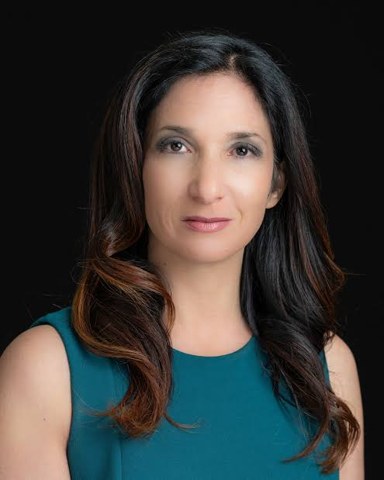
Michelle Makori appears as a market commentator and interviewer focused on macro risk, financial-system fragility, and alternative assets. Across the supplied material, she presents herself as skeptical of consensus optimism and attentive to hidden stress in credit, consumer balance sheets, and valuation excesses. Her public X feed and interview framing suggest a recurring interest in precious metals, Bitcoin, central-bank behavior, and how geopolitical stress can affect money printing and asset prices. The resolved website link points to Miles Franklin, reinforcing that her work is tied to the precious-metals space.
Her recurring economic worldview is broadly anti-complacency and anti-leverage. She tends to argue that markets often misprice risk, confuse price with value, and overlook structural vulnerabilities beneath headline strength. She is especially concerned about private credit, consumer credit deterioration, passive flows, and the possibility that Fed intervention and liquidity support can worsen inequality while delaying necessary deleveraging. In her framing, hard assets such as gold and silver are long-term stores of purchasing power, and Bitcoin may have a role, though she appears to rank gold much higher. She also links war, instability, and central-bank response to more money printing and thus to support for precious metals.
Every analyzed appearance we have for this speaker, newest first. Open any transcript preview to read the underlying transcript.
Preview:Catherine Austin Fitts argues that the real threat to financial freedom is not CBDCs — which require affirmative legislation the Fed won't get — but stablecoins and distributed-ledger assets being rolled out under the GENIUS Act via public-private partnerships. These enable programmable "automated third-lock" transactions where AI can freeze, seize, or block money without human review or legal recourse. She warns the push to digitize bank deposits, stocks, bonds, and eventually real estate on distributed ledgers creates the infrastructure for a social-credit-style system, while the stablecoin framework also serves as a retail channel to fund the US Treasury market as institutional buyers pull back. Her firm is submitting regulatory comments demanding that only legally accountable humans — not software — can freeze accounts.
Preview:Michelle Makori interviews Rich Checkan about the Treasury Secretary’s public gold comments, Fort Knox audit talk, central-bank gold buying, and whether gold is being revalued or strategically re-framed. Checkan argues the US is mainly trying to reassure markets about the dollar, while the deeper story is global central-bank de-dollarization and the long-term case for gold as “wealth insurance.”
Preview:Michelle Makori interviews Rob McEwen about geopolitics, dollar dominance, gold, silver, copper, and the mining sector. McEwen argues the Iran conflict and broader monetary strains are reinforcing a move toward hard assets, with gold still in a long-term uptrend despite pullbacks. He also says mining equities should benefit from M&A, index inclusion, and a shift of capital out of crowded AI trades and into commodities.
Preview:Rick Rule argues the recent silver surge was sentiment-driven, not fundamentally transformed, and says he sold 80% of his physical silver near the top because he buys hated assets and silver stopped being hated. He remains bullish on silver equities, cautious on physical silver until sentiment collapses again, and constructive on oil as a longer-duration commodity theme. He also uses the interview to restate his long-term gold thesis: fiat purchasing power erodes, so gold remains a store of value, with silver as a higher-beta companion once precious metals leadership broadens again.
Preview:Michelle Makori interviews Peter Grosskopf about the evolution of gold infrastructure, tokenization, and what rising central-bank and institutional demand means for the monetary role of gold. Grosskopf argues gold should become more fungible and digitally transferable while remaining 100% physically backed and redeemable, and he says tokenization should mainly reduce friction, costs, and settlement time rather than replace physical ownership.
Preview:Michelle Makori interviews economist Nomi Prins about the Iran flare-up, oil, dollar dominance, and precious metals. Prins argues the conflict is mostly a short-term market shock layered on top of a bigger structural story: commodity warfare, de-dollarization pressure, central-bank gold buying, and a persistent supply shortage in high-quality gold and silver.
Preview:A combative interview about US markets and American capitalism. Guest Todd Bubba Orwitz argues the market is headed for a severe drawdown, inflation remains sticky, housing is flashing 2008-like warning signs, and the Fed has distorted price discovery for decades. His preferred defense is gold and silver, with some bitcoin and broad index exposure, while he expects more volatility, more leverage unwinds, and a rotation away from the most crowded AI winners.
Preview:Florian argues the current move in gold is a healthy correction inside a still-intact secular bull market, with support around $4,000 and a worst-case drawdown toward $3,500. He is much less constructive on Bitcoin and crypto, saying he is fully out, sees crypto winter still in progress, and wants to see a true panic/bloodbath before reconsidering. He is also cautious on US equities after a near-parabolic semiconductor run, prefers cash and physical metals, and thinks oil is underpricing supply risk.
Preview:Tavi Costa argues that the recent dollar strength is temporary, that the dollar must weaken over time for the system to remain stable, and that gold remains in a long-term bull market despite the recent pullback. He sees central-bank gold accumulation, deglobalization, high debt, and eventual Fed easing as the main drivers, with silver and copper as complementary opportunities and Latin America/emerging markets as another major area of interest.
Preview:Gareth Soloway argues the market is near a euphoric top and that the AI trade, not just the economy, is setting up a larger correction. He stays tactically bullish on some near-term pullbacks in oil and metals, but his bigger message is that liquidity is getting stretched, the Fed will eventually have to cut into a slowing economy, and that combination could produce a much larger drawdown later in 2026 and into 2027.
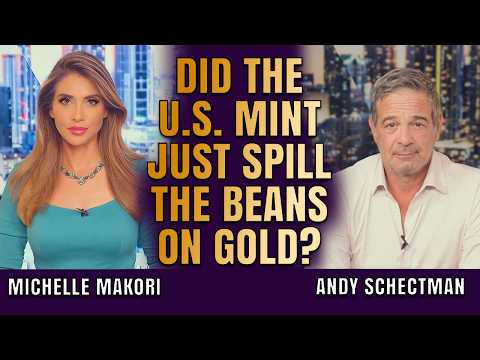
Preview:Michelle McCori interviews Andy Schechman about a cluster of gold-market signals: a newly priced U.S. Mint commemorative coin, unusually large December gold call options at $20,000, central-bank gold buying/repatriation, and the spread of gold-linked settlement and digital payment systems. Schechman’s core view is that these are not proof of a July 4 gold revaluation, but they may reflect a broader shift toward revaluing gold’s role in the monetary system, with gold likely moving higher over time as the system changes.
Preview:This interview is a long warning about a centrally managed digital control system built from programmable money, digital ID, AI surveillance, and tokenized financial rails. Catherine Austin Fitts argues the goal is not just convenience or anti-fraud, but a highly centralized “control grid” that could freeze, block, or condition access to money and, by extension, daily life.
Preview:Peter Grandich argues the Fed is entering a new regime under Kevin Walsh, but the bigger story is deteriorating macro and market conditions: extreme debt, weak political capacity, overreliance on passive flows, and rising risk of a major US stock market reversal. He is bullish on gold, silver, copper, and select miners as the cleaner way to preserve wealth if his view is right.
Preview:Michelle Makori interviews Andy Schectman about a possible July 4 Trump announcement linking gold to the US Treasury market, plus the broader shift toward gold, de-dollarization, and alternative payment rails like China’s Mbridge. Schectman argues the market is misreading gold’s drivers: he thinks inflation, debt, central-bank buying, and settlement flows matter more than Fed policy, and he sees a gold-backed long-term Treasury as a way to preserve the dollar’s transactional role while reworking the reserve system.

Preview:A three-person live Q&A from Miles Franklin Media argues that gold and silver are being repriced by physical demand, distrust in fiat systems, and a possible policy shift tied to gold-linked Treasury instruments. The speakers also emphasize COMEX delivery surges, persistent central-bank buying, and the idea that AI/space/data-center growth should be silver-positive.
Preview:Michelle Makori argues that silver may be entering a structurally different market regime because physical settlement and new Asia-based trading infrastructure could reduce the dominance of paper pricing on COMEX and the LBMA. She links that shift to stronger silver demand from electrification, semiconductors, solar, EVs, AI infrastructure, and military technology, and broadens the point into a larger multipolar shift in metals and financial plumbing.
Preview:Michelle Makori interviews Alasdair Macleod about Fort Knox audit calls, gold revaluation, China/Russia gold policy, and a coming fiat-currency breakdown. Macleod’s core view is maximalist: he argues a Fort Knox audit will not happen because it could expose missing U.S. gold and destabilize the dollar, while the broader fiat system is already entering a debt trap that could end in currency collapse, hyperinflation, and a dramatic rise in gold measured in dollars.
Preview:Michelle McCrory interviews Alasdair Macleod about a potential silver supply shock. The core thesis is that silver is being mispriced because markets still treat it mainly as a precious metal, while a growing industrial squeeze, China’s changing export behavior, and a sulfuric-acid bottleneck tied to Middle East disruption are tightening physical supply. Macleod argues the market is already showing stress through very low COMEX open interest, reduced willingness of market makers to stay short, and persistent Chinese accumulation of silver.
Preview:Lobo Tiggre argues the big setup is not a guaranteed crash, but a materially higher-than-normal chance of a broad market waterfall event that would let patient investors buy assets much cheaper. He is therefore holding unusually high cash, while staying structurally bullish on gold, silver, copper, and uranium over the longer run.
Preview:Michelle McCrory interviews Cory Klippsten about why Bitcoin is weak despite mainstream adoption, using Michael Saylor’s small BTC sale as the hook. Klippsten says Strategy’s sale is not a big deal, frames it as tax-loss harvesting and treasury management, and argues the real issue is not Bitcoin itself but the market structure around leveraged Bitcoin equities, preferreds, ETFs, and crypto financialization. He remains broadly bullish on Bitcoin as monetary technology and skeptical that the dollar will be displaced soon, especially because stablecoins extend dollar network effects.
Preview:Interview with Mike Lee of Michael Strategy: he says the silver pullback he warned about has completed, remains bullish on precious metals, but is much more constructive on AI infrastructure and US equities than on the broader macro backdrop. He argues the market is underpricing the scale of the AI capex cycle, while geopolitics, inflation, and fiscal deficits matter mainly as background noise unless they become an exogenous shock.
Preview:The video argues that a looming wave of mega-IPOs—especially SpaceX, OpenAI, and Anthropic—could reshape market leadership, index composition, and capital flows, while also creating a second-order trade in the physical inputs behind AI and space infrastructure, with silver singled out as an underappreciated beneficiary. The guest repeatedly frames the setup as highly valuation-sensitive and very exposed to macro shocks, especially any re-escalation in the Iran conflict and a spike in oil.
Preview:Mario Innecco argues that the biggest coming crisis is not just rates or equities but a sovereign-debt and currency-system breakdown. He says higher bond yields are a symptom of a bond bear market, not a healthy sign, and that this environment should support gold, silver, and other hard assets while pressuring paper assets and highly leveraged sectors.
Preview:The conversation argues that physically deliverable Asian metals exchanges, especially in Singapore and Hong Kong, could gradually erode Western price-setting power in gold and silver. The core thesis is that persistent paper-vs-physical divergence, central-bank buying, and BRICS-linked settlement rails may eventually force a shift from COMEX/LBMA-dominated pricing toward a more physically anchored system.
Preview:Luke Gromen argues the U.S. is trapped between defending the dollar and defending Treasuries, with the Iran/Hormuz shock accelerating an already fragile debt-and-inflation regime. His base case is a weaker dollar, much higher gold, and eventually a managed devaluation path rather than a clean resolution.
Preview:Rick Rule says the oil rally was driven by structural underinvestment that the Iran conflict only accelerated, and he still prefers North American oil equities selectively while raising cash for a possible liquidity-driven drawdown. He is also increasingly constructive on uranium as an energy-security trade with a longer runway than oil.
Preview:The video argues that the U.S. could face a future sovereign-debt stress event if Treasury demand weakens and the Fed must step in as buyer of last resort. It uses Henry Paulson’s warning, Powell’s debt comments, and gold buying by central banks to frame a shift away from trust in U.S. Treasuries.
Preview:Anthony Scaramucci argues the market is looking through geopolitical shocks, especially the Iran conflict, because the dollar has strengthened and AI-related capex and productivity gains look deflationary over time. He says the biggest immediate economic risk is not the war itself but U.S. political tribalism and failure to control deficits and debt.
Preview:A conversation centered on Dominic Frisby’s case for gold as humanity’s oldest, most durable form of wealth and money. The exchange blends history, mythology, monetary theory, and geopolitical risk, with a strong thesis that gold remains a critical store of value and possible anchor in a stressed global system.
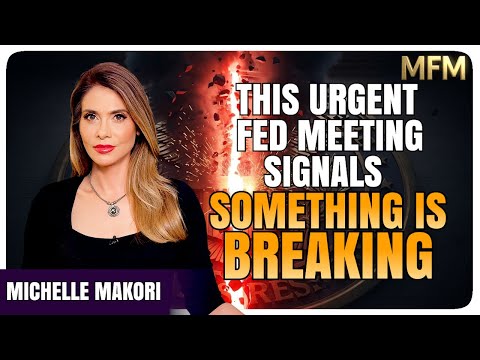
Preview:The video argues that the Fed and Treasury have recently held urgent closed-door meetings with major bank CEOs over two systemic threats: AI-enabled cyberattacks and private credit exposure. The speaker frames both as underappreciated risks that could spread through the financial system, though most of the discussion is presented as a warning rather than a detailed, evidence-based analysis.
Preview:Larry McDonald argues the market is mispricing the aftermath of the Iran/Hormuz disruption, with positioning-driven gains masking a coming inflation and equity downside shock. He says the ceasefire relief rally is likely short-lived, inflation could re-accelerate to 4-6% with a non-trivial double-digit tail, and the right regime for the next cycle is hard assets over mega-cap tech.
Preview:The video argues that a U.S. CBDC debate hidden inside housing legislation is really a fight over financial control, with the speaker warning that programmable, trackable money could enable state overreach. It contrasts that dystopian view with the pro-CBDC case for faster payments, inclusion, and more effective monetary policy.
Preview:Chris Vermeulen argues the market is in a late-cycle euphoric phase: he expects near-term upside can continue, but ultimately sees a major reset, potentially a 2008-style drawdown. He is bullish on gold and silver over the very long run, but tactically neutral to cautious in the near term and prefers waiting for cleaner technical signals.
Preview:Chris Irons argues markets are priced for perfection while hiding a growing credit and liquidity deterioration, with private credit at the center of the stress.
Preview:Arthur Laffer argues the dollar’s weakness is real, but not inevitable: he says restoring monetary discipline—ideally via a gold or commodity-linked rule—could stabilize the currency, lower expected inflation, and rebuild confidence. Michelle Makori presses on the contradiction between rate cuts, money creation, and dollar strength, while both agree that gold is re-entering the global monetary system as countries, central banks, and stablecoin issuers seek alternatives to the dollar-centric order.
Preview:Michelle Makori interviews Andy Schectman about gold repatriation, declining trust in U.S. institutions, central-bank gold buying, and why he thinks the global monetary system is shifting toward gold and away from Treasuries and the dollar. The discussion also branches into Iran-related energy risk, private credit stress, and AI/cybersecurity concerns at major banks, with Schectman arguing these reinforce the case for gold and commodities.
Preview:Michelle Makori interviews Jim Rickards about the Iran ceasefire, the Strait of Hormuz, oil flows, gold, and the global monetary system. Rickards argues the ceasefire terms are inconsistent, the military objectives were overstated, the dollar remains dominant as a reserve system, and gold still has a plausible path to $10,000 by year-end.
Preview:The video argues that the Iran conflict is accelerating a move away from the dollar-centered petrodollar system and toward a yuan/gold-linked alternative often described as the “petroyuan.” The speaker frames Shanghai/Hong Kong infrastructure, MBridge, and China-Gulf trade settlement as the practical rails for that shift, while emphasizing that any breakdown in security around oil flows could weaken the dollar’s role in global trade and reserve accumulation.
Preview:Peter Krauth argues the Iran conflict could trigger an initial safe-haven bid in gold and silver, but that any spike would likely fade as higher energy costs, a stronger dollar, and liquidation pressures reassert themselves. His bigger thesis is that silver remains in a structural bull market: supply is tight, inventories have been drawn down, industrial uses remain durable, and inflationary war spending plus deglobalization should lift prices again after the current consolidation.
Preview:James Lavish argues that Iran-related uncertainty is a near-term market headwind, but the bigger setup is still more Fed/Treasury liquidity over time because U.S. debt and refinancing needs are too large to handle without intervention. He is bullish on gold and especially Bitcoin as hard-asset hedges, and expects any serious drawdown to be bought rather than marking a durable top.
Preview:Mike McGlone argues that gold, silver, copper, Bitcoin, and the broader commodity complex have all entered a major mean-reversion phase after extreme rallies, and that the key macro setup is now a rising risk of recession, weaker equities, and lower crude oil. The host repeatedly pushes back with structural-bull arguments for gold and dollar erosion, but McGlone insists price action and stretched valuations matter more than the long-term narrative.
Preview:Adrian Day argues gold’s post-Iran-war pullback is normal: gold often falls after a geopolitical event because it rallied in anticipation, the dollar and Treasury yields rose, and investors sold gold for liquidity. He remains structurally bullish on gold, expects stronger gold over the next 18 months, and sees selective opportunities in miners, commodities, and foreign equities.
Preview:Edward Dowd argues the market is already in the early stages of a broad downturn driven by housing weakness, an AI capex/financing bubble, and a deteriorating China cycle, with the Iran war only adding a shorter-term shock. He expects a relief rally if geopolitical tensions ease, but sees that as a chance to raise cash ahead of a possible 40-50% stock market drawdown.
Preview:Michelle Makori interviews Andy Schectman about the sharp selloff in gold and silver, arguing the move was largely structural rather than fundamental and may have been used by banks to reduce shorts and reposition. They also discuss China’s aggressive metal accumulation, silver imports into China, and a broader challenge to the U.S.-centric dollar system via oil trade, the petro-yuan, and BRICS-linked payment rails.
Preview:The video argues that China has moved from quietly internationalizing the yuan to openly signaling a bid for reserve-currency status, with gold accumulation presented as the key support for that ambition. The speaker frames this as a long-run challenge to dollar dominance rather than an immediate replacement.
Preview:David Woo argues markets are underpricing a broader Iran war escalation, which he frames as a de facto U.S.-China proxy conflict. He thinks Trump is unlikely to back down, sees a risky ground/amphibious phase around Bandar Abbas and the Strait of Hormuz as the key market shock, and remains longer-term bullish on gold amid de-dollarization and great-power rivalry.
Preview:Michelle Makori interviews Andy Schectman about a Venezuela gold deal, U.S. gold export surges, silver market stress, private credit risk, and the idea that rising debt and de-dollarization pressures could eventually force a gold revaluation.
Preview:The interview centers on Gareth Soloway’s bearish near-term call for oil, equities, gold, and silver, paired with a short-term bullish setup in Bitcoin. He argues the biggest overlooked risk is private credit stress, which he thinks could interact with higher oil prices, stagflation, and a slowing consumer to trigger a recession-like drawdown.
Preview:Peter St. Onge argues the Iran war is primarily an oil shock that is much less likely to trigger a US recession than a 1970s-style crisis, but could hit Asia, oil-sensitive supply chains, and inflation if it drags on. He sees the base case as a relatively short conflict ending by May or early June, after which markets revert to the prior AI-driven setup, while also warning that private credit and fiscal fragility remain the bigger systemic risks.
Preview:Michelle Makori and Andy Schectman argue that the Iran war is likely to intensify, stay longer than advertised, and ultimately be bullish for gold and silver despite their muted immediate reaction. Schectman says the flat metals response reflects managed markets, ETF redemptions, and physical delivery demand, while Makori presses the counterview that a strong dollar, higher-for-longer rates, and expectations of a contained conflict could explain the move.
Preview:The video argues that silver is uniquely mispriced because industrial demand, military demand, and monetary stress are all colliding with structurally tight supply. The speaker claims inventories are collapsing, paper claims far exceed physical metal, and a short squeeze could reprice silver violently higher.
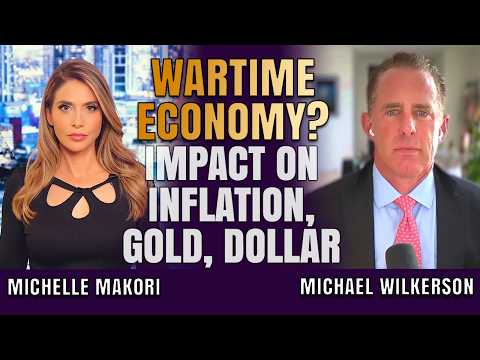
Preview:Michael Wilkerson argues that the Iran conflict is already pushing the world into a wartime economy: markets are pricing oil risk, gold is acting as a partial safe haven, and the bigger medium-term issue is inflation from higher energy, defense spending, and debt monetization. He thinks the U.S. can cushion the shock because it is energy independent and can still use dollar and military leverage, but he warns the conflict may last longer than officials expect and that long-dated consequences for inflation, deficits, and the dollar are more important than the first-day market reaction.
Preview:The video argues that the US-Israel campaign against Iran is progressing faster than expected, that Iran’s military command-and-control has been badly degraded, and that the conflict could reshape Middle East security, energy flows, and the dollar. It also links the war to oil chokepoints, proxy militias, and possible implications for gold, silver, and broader geopolitical power balances.
Preview:A physical metals operator argues the market has entered a new era of government, bank, and corporate buying of gold and silver, with tighter physical supply, rising delivery stress, and increased geopolitical competition for metal. The interview frames gold and silver as strategic, trustless hard assets rather than simple trades.
Preview:Michelle Makori interviews Andy Schectman about repeated CME trading halts in gold/silver, tight physical supply, Mexico cartel risk to silver production, and the possibility that U.S. strategic stockpiling or price support is already emerging. The discussion is strongly bullish on precious metals and highly skeptical of Western price discovery.
Preview:James Rickards argues that a Trump-era US gold revaluation is legally and operationally plausible, but mostly an accounting maneuver that would not change the world price of gold; its main effect would be psychological and geopolitical, signaling that the US treats gold as a monetary asset again.
Preview:Mark Moss argues that gold is rallying because the world is searching for neutral money amid distrust of the dollar system, sanctions, and reserve-asset weaponization. He says Bitcoin’s pullback is consistent with its four-year cycle, that institutions have not abandoned it, and that its long-run role is still intact despite ETFs, leverage, and short-term volatility.
Preview:Michelle McCrory interviews Tom Lango about a Supreme Court ruling limiting Trump’s tariff authority. Lango argues the setback does not end the broader trade-and-monetary reset; instead Trump will shift tools, while gold and especially silver may be key pressure points in a larger fight over collateral, capital flows, and U.S. monetary sovereignty.
Preview:Michelle Makori interviews Jim Rickards about gold, gold revaluation, China’s reserves, dollar weaponization, and AI-driven market fragility. Rickards argues gold can reach $10,000 by end-2026, a U.S. gold revaluation is legally possible and politically plausible, and AI could worsen an already-looming global monetary crisis.
Preview:Miles Franklin Media’s live Q&A argues the recent gold and silver selloff was mainly a leverage/margin flush, not a fundamental break in the bull market. Andy Shekman and Michelle McCory say physical demand remains intense, COMEX inventory/delivery stress is building, and policy shifts like critical-mineral stockpiles and possible price floors are bullish over time.
Preview:Michelle McCrory and guest John Butler argue that China’s public embrace of yuan reserve-currency ambitions is a meaningful signal of a longer-running monetary shift, not an overnight regime change. Butler says reserve status would require deeper capital-market openness, more trust, and likely a much larger implicit or explicit gold backstop; he sees the dollar system as increasingly out of step with a more multipolar world.
Preview:Robert Kiyosaki argues that the surge in gold, silver, and mining stocks reflects a worsening monetary regime: fiat debasement, physical silver tightness, and growing political/geopolitical stress. He says silver is now the key industrial and monetary metal, warns that the Fed and policy makers are inflating away purchasing power, and frames the future as either hyperinflation or depression, with war as his biggest fear.
Preview:Michelle McCory interviews David Morgan about the sharp January 2026 reversal in gold and silver. Morgan argues the move was mainly a leverage/margin flush in a crowded futures market, not a change in the underlying bull case, and he remains constructive on both metals over the coming quarters.
Preview:Michelle Makori interviews Willem Middelkoop about what he calls "silver 2.0" and the broader monetary reset thesis. The core message is that silver is in a physical short squeeze driven by industrial demand, central-bank/institutional accumulation, and a growing disconnect between paper claims and deliverable metal, while gold is confirming a wider loss of confidence in fiat and the dollar system.
Preview:Michelle Makori interviews Mike Lee about the surge in gold, silver, and AI-related equities. Lee argues gold’s breakout is driven by fiscal weakness, central-bank buying, sanctions risk, and momentum, while silver is a more speculative, supply-stressed trade than a long-term core holding. He is extremely bullish on the U.S. economy and especially AI, energy buildout, and stocks like Nvidia-adjacent names, Broadcom, Oracle, CoreWeave, and Palantir.
Preview:Michelle McCori interviews Andy Sheckman about the explosive move in gold and silver, arguing the rally is being driven by massive physical delivery demand rather than a normal speculative squeeze. The discussion centers on COMEX deliveries, widening East/West pricing gaps, central-bank buying, de-dollarization, and the idea that metals are being repriced as part of a broader monetary regime shift.
Preview:This interview frames Trump’s Greenland push, Davos, and Western Hemisphere realignment as part of a broader shift toward great-power confrontation, especially with China. The guests argue that gold and silver are signaling geopolitical stress, while the U.S. is trying to reassert control over strategic assets, shipping lanes, and supply chains closer to home.
Preview:Michelle Makori and Steve Penny argue that silver’s explosive rally is being driven by a structural squeeze: persistent industrial demand, monetary debasement concerns, strong physical demand in Shanghai, and a weakening ability of paper markets to suppress price discovery. Steve is bullish long term, but says the move is already extended tactically and expects a pullback before a later push toward much higher levels.
Preview:This was a celebratory Miles Franklin live Q&A marking 100,000 YouTube subscribers, but it quickly became a strong promotional discussion about silver, gold, de-dollarization, and Fed independence. The speakers argued that silver’s move is a repricing driven by tight physical supply, record COMEX deliveries, and geopolitical/monetary stress, while repeatedly cautioning that short-term pullbacks could still be violent.
Preview:Gareth Soloway argued that 2026 should feature a meaningful risk-off move in equities, driven less by the Fed itself than by rising long-end yields, refinancing pressure, and a possible loss of confidence in U.S. debt markets. He remained constructive on gold and Bitcoin over a longer horizon, but near term he expects both to digest gains, while silver and platinum/palladium look extended. His top 2026 trade was oil, which he sees as a laggard that could catch up via capital rotation.
Preview:Michelle Makori interviews Arthur Laffer on sound money, the dollar, gold, crypto, and Fed policy. Laffer argues the dollar has been debased since the Fed and fiat money are dangerous, but says the US can still restore credibility by changing monetary rules, re-linking money to gold or commodities, and disciplining the Fed’s balance sheet. He is upbeat on cryptocurrencies and stablecoins as private-market pressure against fiat, while Makori pushes him on debt, inflation, Bretton Woods, BRICS, and whether a democracy can sustain hard-money discipline.
Preview:An interview with Congressman Marlon Stutzman centers on CBDCs, digital assets, gold, and U.S. fiscal dominance. Stutzman argues that government-controlled digital money would threaten privacy, freedom, and political neutrality, while also supporting stronger crypto guardrails, an audit of U.S. gold reserves, and a broader return to hard assets amid debt and dollar concerns.
Preview:This interview argues that the BRICS ‘Unit’ pilot is less a retail currency launch than a wholesale settlement experiment designed to reduce dollar dependence. Vince Lanci frames it as part of a broader shift toward a multipolar, gold-anchored monetary system, where trust is increasingly migrating from sovereign promises to collateral, vaults, and settlement rails outside SWIFT.
Preview:Live Q&A on Miles Franklin Media centered on silver, gold, inflation, and monetary-system shifts. Andy Schectman and Kevin Hower argued silver is in a new phase of demand driven by industrial use, strategic stockpiling, delivery stress, and geopolitical competition, while Michelle McCory pressed on the risk of AI misinformation, surveillance, and tokenization. The panel also discussed Fed easing, stealth QE, possible gold revaluation, and how precious metals may be moving back into a more explicit monetary role.
Preview:Clem Chambers argues that the Fed’s return to Treasury buying is effectively renewed money printing, which he thinks will weaken the dollar, fuel inflation, and support gold, silver, and hard commodities. He is extremely bullish on gold and especially silver, and he ties the entire setup to a broader geopolitical split centered on China, Taiwan, and a possible 2027 conflict scenario.
Preview:Michelle McCrory interviews precious-metals analyst David Morgan about silver’s historic breakout, tight physical supply, and his view that gold and silver are entering the acceleration phase of a broader monetary reset. Morgan argues the move is driven by both industrial demand and growing monetary/fear demand, and he sees the current system as increasingly unable to absorb that pressure.
Preview:The video argues that central bank gold demand is the dominant force in the gold market and that most of it is being hidden from public disclosure. It leans heavily on World Gold Council data to claim that about 66% of Q3 central bank buying was unreported, with the implication that governments are quietly preparing for geopolitical and monetary instability.
Preview:Rob McEwen argues that copper, silver, and especially gold are entering a new strategic era driven by supply insecurity, geopolitics, and debt/debasement concerns. He thinks the U.S. critical minerals move is a welcome recognition of reality, expects faster permitting and more government/strategic stockpiling behavior, and sees mining equities as still underowned despite the recent rally. His highest-conviction macro idea is that gold can keep rising, with a plausible upside scenario that includes official U.S. gold revaluation under the Trump administration.
Preview:John Butler argues that private credit is a fast-growing, lightly regulated $3 trillion shadow lending market that could be the next major financial stress point, especially because it sits on top of weak underlying bank and business credit conditions. He links that risk to a broader thesis: any serious credit shock would push the Fed toward more intervention, further weaken faith in the dollar, and accelerate demand for physical gold as an outside-the-system reserve asset.
Preview:The video argues that a quiet, unplanned New York Fed meeting with primary dealers is a warning sign that liquidity stress is building in the repo market. The speaker says the Fed has already been adding liquidity in the background, but stress is still persisting, which suggests the system is tight and may force more visible intervention; gold is framed as a beneficiary once that response begins.
Preview:Michelle Makori argues the U.S. stopping penny production is a symbolic but real sign of currency debasement, not a trivial coin-policy story. She uses the penny’s cost to mint, its historical erosion in metal content and buying power, and the need for rounding in cash transactions to argue that the dollar’s purchasing power is weakening and that gold should keep making new highs.
Preview:Larry McDonald argues the post-Cold War disinflation regime is over and that investors are underestimating a structural rotation out of expensive financial assets and into hard assets such as gold, copper, energy, and other resource names. He says the Fed is already moving toward stealth QE / financial repression, which supports debasement, weakens the dollar over time, and makes the old 60/40 portfolio obsolete.
Preview:Frank Giustra argues the world is moving toward a monetary break where repeated QE, high debt, and de-dollarization could end in a dollar crisis, hyperinflation, and eventually some form of new global settlement anchored by gold. Michelle Makori frames the conversation around his earlier calls, China’s gold-linked settlement infrastructure, U.S. stablecoin strategy, and whether a new Bretton Woods-style reset can happen without major conflict.
Preview:Michelle Makori argues that the current gold rally is fundamentally different from the 1970s boom-bust because the monetary backdrop has flipped: back then the Fed restored faith in paper money with Volcker-era tightening, while today debt, sticky inflation, and weakening confidence in fiat make gold more attractive. The video is largely a narrated historical comparison, using the 1970s and 1980s as a template for why gold rose, crashed, and then lost favor when real yields turned positive and equities became the preferred store of wealth.
Preview:Michelle McCrory interviews James Lavish about the Fed’s rate cut, the end of QT, persistent inflation, and what he calls the “debasement trade.” Lavish argues the Treasury needs inflation to soften the real burden of $38 trillion in debt, so the policy path is structurally biased toward currency debasement rather than true disinflation. He expects gold and Bitcoin to keep benefiting, and sees stablecoins, bank reserve plumbing, and Bitcoin treasury companies as early signs of a broader monetary shift.
Preview:Rick Rule argues the macro setup is still dominated by liquidity, fiscal excess, and a weakening dollar, with precious metals especially gold and silver benefiting over a long horizon. He is most constructive on gold as a monetary hedge, sees silver as more volatile but potentially more explosive, and says his best contrarian commodity idea right now is oil and gas, not uranium.
Preview:Michelle Makori interviews Andy Schectman about the violent gold and silver selloff. Schectman argues the move was not just profit-taking and technicals, but a deliberately timed paper dump into thin liquidity that triggered stops and was quickly met by physical buying. He ties the episode to tight physical supply, stressed London settlement, heavy central-bank and institutional accumulation, and a broader loss of confidence in the dollar and Western price-setting.
Preview:Luke Gromen argues that gold has already replaced long-term U.S. Treasuries as the main reserve asset outside the West, and that the U.S. is responding by promoting Bitcoin plus dollar-backed stablecoins to defend dollar dominance. He sees the result as a coming contest between gold and Bitcoin, with both likely outperforming most other assets in a system moving away from debt as the reserve base.
Preview:Michelle Makori interviews Dominic Frisby about gold’s surge above $4,000, central-bank accumulation, China’s reported versus actual reserves, and the broader debasement trade. Frisby argues the move is being driven less by retail and more by de-dollarization, reserve diversification, and geopolitical distrust of U.S. assets, while warning that mining stocks and exuberant media coverage may signal a nearer-term frothy stage in the cycle.
Preview:Michelle McCrory interviews Andy Schectman about the silver squeeze, with Andy arguing the move is being driven by physical scarcity, backwardation, and a broader de-dollarization / re-monetization of precious metals rather than a simple arbitrage story.
Preview:This interview centers on Judy Shelton’s case for restoring gold-linked discipline to the monetary system, especially through proposed “Treasury trust bonds” that would let holders redeem at maturity either dollars or a preset amount of gold. Shelton argues that growing debt, deficits, Fed dysfunction, and de-dollarization are pushing gold back into the mainstream and that a gold-linked Treasury issuance could be both a credibility signal and a practical way to restore confidence in the dollar.
Preview:The video argues that Tether’s deepening move into gold is strategically linked to the U.S. GENIUS Act and a broader monetary realignment. The speaker frames stablecoins as a new channel for demand into U.S. Treasuries and the dollar, while also noting that Tether itself is hedging into gold, Bitcoin, and land amid record-high gold prices and rising central-bank buying.
Preview:Tavi Costa argues that gold’s surge is part of a deeper monetary reset driven by debt, deglobalization, fiscal dominance, and central-bank reserve diversification away from Treasuries. He extends that thesis to miners and especially silver, saying silver is still priced too cheaply, could be revalued dramatically if monetary demand shows up, and may be the highest-conviction opportunity in the hard-asset complex right now.
Preview:A Miles Franklin Media conversation argues that the new U.S. stablecoin law and the broader digital finance stack are not just pro-crypto but a mechanism to create synthetic demand for U.S. Treasuries and, ultimately, to reshape the dollar system. The speakers link that to gold, saying gold is the real anchor beneath digital rails, and they frame stablecoins, CBDCs, digital ID, and settlement networks as part of a wider monetary reset that is already underway.
Preview:Lobo Tiggre’s core message is that the Fed’s cut was superficially expected but directionally bullish for gold, silver, and real assets because it came despite sticky or rising inflation and because policy is still constrained by weak labor data and unreliable statistics. He is bullish on gold and silver overall, but warns that both metals could correct after a very sharp run; his higher-conviction longer-duration view is that copper remains the best forward trade because of structural supply constraints and an inflationary macro backdrop.
Preview:An interview focused on a proposed global monetary reset: Andy Schectman argues that the Shanghai Cooperation Organization, BRICS-linked infrastructure, and gold settlement rails are quietly building a parallel system outside the dollar. He thinks the U.S. is responding by weakening the dollar, promoting stablecoins, and eventually revaluing gold to support a new Treasury framework and revive manufacturing.
Preview:Michelle McCrory interviews Gareth Soloway about a cluster of warning signs he thinks point to a coming equity selloff: weakening labor data, sticky inflation, extreme insider selling, stretched valuations, and speculative excess in large-cap and microcap names. Soloway’s near-term view is that the Fed cut next week may be a sell-the-news event and that the S&P/Dow could break down soon, with a larger correction likely into early 2026. He remains bullish on gold, somewhat constructive on silver, and cautiously bullish on Bitcoin as an alternative to fiat, while favoring defensive positioning and some non-U.S. exposure.
Preview:Lyn Alden argues the U.S. is in a long fiscal-dominance cycle where deficits, debt monetization, and political polarization are steadily debasing the dollar and bonds relative to scarce assets. She sees gold and Bitcoin as the main non-sovereign stores of value, expects central banks to keep diversifying into gold, and thinks the dollar will weaken gradually over years rather than collapse abruptly.
Preview:Michelle McCrory interviews Lawrence Lepard about what he sees as a coming monetary reset. Lepard argues fiat money is in its late stages, inflation will persist or worsen, and the likely endgame is some combination of gold revaluation, a gold-linked Treasury/bond reset, and ultimately Bitcoin as the superior long-run sound money asset. He is bullish on gold, silver, and especially Bitcoin, but repeatedly notes that policy choices will determine the timing and form of the transition.
Preview:Michelle McCrory interviews Larry Lepard about his sound-money thesis. Lepard argues the post-gold-standard system is structurally unstable, that fiat money and repeated “big prints” have driven persistent inflation, and that the U.S. is now in a sovereign-debt trap that will eventually force more money creation, higher inflation, and likely yield-curve control. His practical answer is to own scarce assets like gold and Bitcoin, which he sees as protection during the transition and as the monetary alternatives that expose the current system’s weaknesses.
Preview:Chris Irons argues the U.S. market is dangerously overvalued, overlevered, and psychologically unprepared for a major drawdown, while the Fed is boxed in between sticky inflation and slowing growth. He remains constructive on gold, gold miners, select uranium/nuclear names, and some emerging markets, and he thinks a broader monetary reset could eventually feature gold and possibly Bitcoin.
Preview:Luke Gromen argues the U.S. is deliberately moving toward a weaker dollar and a new neutral reserve-asset regime, with gold first and Bitcoin possibly second. He frames this as a managed reset of the post-1971 system: keep the dollar dominant in payments, but stop using it as the global store of value so the U.S. can reshore industry and rebuild military supply chains.
Preview:A discussion between host Michelle and returning guest "Pip" (Pipenberg) about the convergence of three crises — sovereign debt, stock markets, and fiat currencies — all under strain simultaneously. Pip argues that debt is the root driver, that the US is at WWII-level debt-to-GDP without a war, and that recent crises (2019 repo, 2020 bond crash, 2022 gilt crisis, 2023 banking crisis, 2025 Liberation Day) are all manifestations of a credit/debt crisis. The conversation then examines whether Trump's tariff/reshoring strategy can delay or prevent systemic reckoning, with Pip offering a balanced "too soon to tell" view but ultimately calling tariffs a "guppy solution to a whale of a debt problem." The final segment explores the Fed's recent note on gold revaluation, where the Fed outlined how other nations tapped gold gains without selling — raising the question of whether the US might revalue its gold reserves from $42.22/oz to market prices as a desperate fiscal measure. The transcript cuts off during Pip's response on gold revaluation.
Preview:Matthew (Miles Franklin) and host Michelle discuss a recent Federal Reserve note that reviews historical cases of countries revaluing gold reserves to raise cash — effectively "cracking open the gold revaluation playbook." Matthew sees this as part of a broader shift where gold revaluation has moved from fringe conspiracy theory to mainstream policy discussion, driven by unsustainable US debt levels. He thinks marking gold to spot (~$3,400) is plausible but nearly useless (barely covering one year's interest). A revaluation to $15,000–$20,000 would meaningfully reduce debt-to-GDP but carries Kissinger-esque geopolitical risk: if China/Russia hold more gold than the US, they gain leverage. He hedges heavily — "we'll see" — and warns that any revaluation is a confession of dollar weakness, not a solution to structural deficit problems.
Preview:The video argues that a U.S. gold revaluation is plausible under Trump, but the guest treats it less as a durable fix than as a symptom of a deeper debt, dollar, and trust crisis. The discussion expands into tariffs, de-dollarization, stablecoins/CBDC fears, and why gold remains the preferred store of value in a system the guest sees as increasingly fragile.
Preview:Michelle McCrory and guest Ed Dowd argue that the apparent strength in the U.S. economy is masking a weakening real economy, with housing the key pressure point. Dowd says the end of the immigration-driven demand boost, rolling over housing indicators, weak labor data, and narrow stock-market leadership set up a recession and a possible 40% to 50% equity drawdown, while gold and short-duration cash/T-bills are his preferred shelters.
Preview:The video argues that a global monetary reset is underway: gold is being quietly reinserted into the system, the dollar is being weakened intentionally or by neglect, and Treasury borrowing costs could be stabilized by tying future debt to gold rather than to ever-higher nominal rates. The host and guest frame China/BRICS/MBridge as building the rails for a gold-settled alternative to dollar-centric payments, while also suggesting the U.S. may already be repatriating and revaluing gold behind the scenes.
Preview:Michelle Makori announces her new show "The Real Story" on Miles Franklin Media, co-hosted with Andy Schectman. The transcript is a launch announcement and philosophical alignment conversation, not a market analysis. They discuss open-mindedness, sound money (gold and Bitcoin), fiat currency problems, and the thesis of an ongoing gradual monetary reset. No specific market calls, price targets, or tactical views are presented.
Others tracked across the same asset focus or market thesis.
Unlock every transcript this speaker appears in, compare them with your other followed voices, and ask the agent for the bull, bear, and consensus read in one workspace.
Type a question. Create a free agent to send it and keep the answer linked to this speaker.
Your question is preserved across sign-in.
Free. No card. Takes about a minute.